Federal Reserve Official: Investors Aren’t Fleeing U.S. Assets
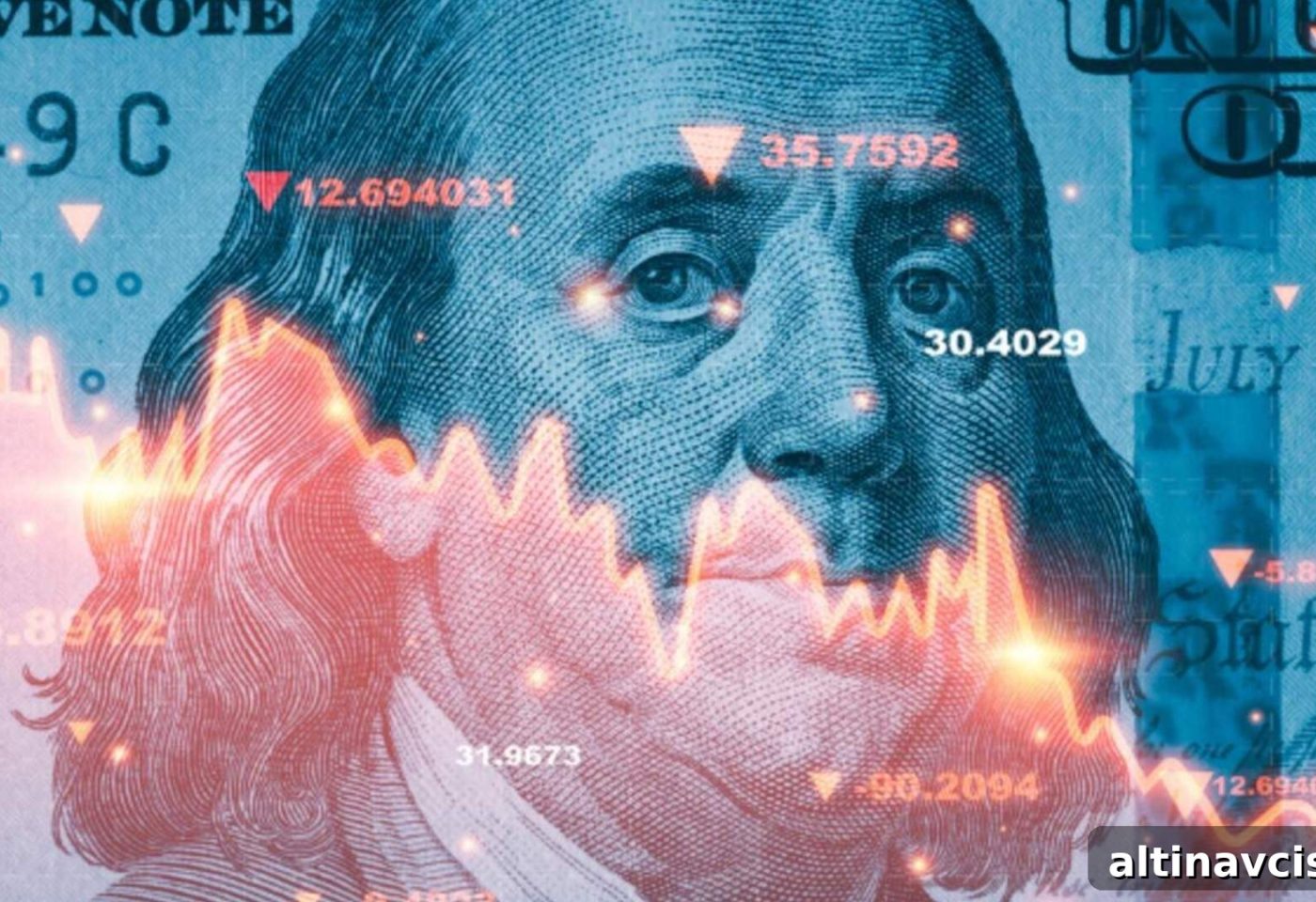
New York Fed President John Williams: Capital Flows Stable Despite Market Scrutiny
New York Federal Reserve President John Williams emphasized that there has not been a significant move away from U.S. assets, even as markets face increased scrutiny following a recent credit downgrade and ongoing fiscal concerns. His remarks sought to reassure investors and observers that, while sentiment is shifting, the broad pattern of capital allocation into U.S. markets remains intact.
Williams acknowledged that investors are actively reevaluating their assessment of risk and adjusting allocation strategies in response to heightened uncertainty. This reassessment reflects a normal market reaction to notable policy and credit developments: portfolio managers and individual investors alike tend to revisit exposures, diversify holdings, and reconsider short- and long-term positions when the economic or fiscal outlook changes. Still, he pointed out that these tactical shifts have not translated into a large-scale, sustained exodus from U.S. securities.
According to Williams, capital flows continue to be broadly stable. That stability matters because consistent inflows help support market functioning, reduce volatility, and preserve the depth of U.S. financial markets. When international and domestic investors maintain their exposure to Treasury and corporate bonds, equities, and other assets, it contributes to smoother price discovery and helps ensure that the financial system can continue to fund economic activity.
Williams also reiterated that current monetary policy remains appropriate for prevailing economic conditions. He cited ongoing signs of labor market strength, including solid job growth, and persistent consumer demand as key reasons the policy stance is fitting. Strong employment and resilient household spending provide a foundation for the economy, and they influence the Fed’s assessment of how monetary policy should evolve to meet its dual mandate of maximum employment and price stability.
At the same time, Williams was careful to stress the Federal Reserve’s readiness to respond if circumstances change. He made clear that policymakers are prepared to adjust their approach should inflation diverge from target levels or if financial conditions deteriorate unexpectedly. That flexibility is central to the Fed’s management of monetary policy: officials monitor a wide array of indicators and stand ready to act to keep inflation and employment on balanced trajectories.
These comments come amid a backdrop of continued attention to fiscal and credit developments. A credit downgrade can intensify scrutiny of government finances and prompt market participants to reassess sovereign risk and long-term outlooks. Fiscal debates and budgetary choices can likewise influence investor confidence. Williams’ message sought to contextualize those pressures without overstating their current market impact: while they demand attention, they have not, in his view, precipitated a dramatic reallocation away from U.S. assets.
For investors and market participants, the takeaway is twofold. First, short-term portfolio adjustments and risk reassessments are expected responses to the evolving fiscal and credit landscape. Second, the broader backdrop of strong labor markets and steady consumer spending, coupled with the Fed’s willingness to adapt policy as needed, should temper concerns about an immediate, large-scale withdrawal of capital from U.S. markets.
In sum, New York Fed President John Williams conveyed cautious reassurance: markets are adjusting and investors are reassessing risk, but capital flows remain largely stable, and monetary policy is calibrated to current economic realities while remaining flexible in the face of potential future shifts in inflation or financial conditions.
Popular Topics
Picked from the archive
-
01
 Topics
Japan Urges G20 Action as US Tariffs Shake Global Markets
-
02
Topics
China Gold Demand Surges as Jewelry Sales Drop
-
03
Topics
Eroding Dollar Dominance: US Trade Policies’ Global Impact
-
04
Topics
Global Bond Markets Rally as Debt Issuance Patterns Shift
-
05
Topics
Reuters Poll: Gold Set to Extend Rally Through 2026
-
06
Topics
Gold Prices Fall 4% in Largest Weekly Drop Since November
-
07
Topics
Gold Prices Rebound Ahead of U.S. Jobs Report
-
08
Topics
Why Gold Still Outshines Bitcoin as a Store of Value