13 Countries Adopt Yuan, Challenging Dollar Dominance
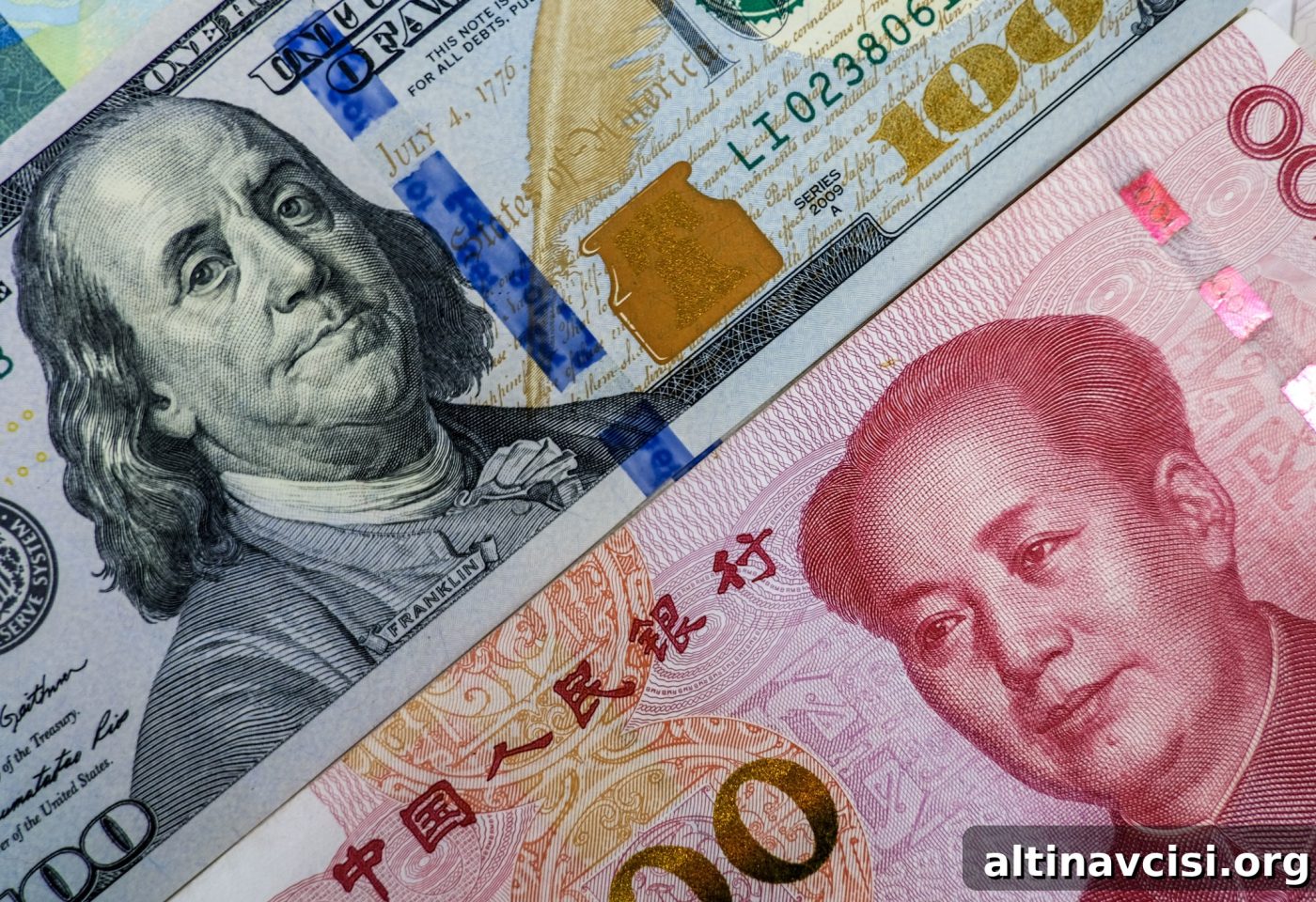
De-dollarization: 13 Countries Reduce Reliance on the US Dollar and Turn to the Chinese Yuan
A notable shift in global currency preferences is underway as 13 countries announce moves to reduce their dependence on the US dollar and increase transactions and reserves in the Chinese yuan. This trend, commonly called “de-dollarization,” is reshaping some aspects of international finance, contributing to increased dollar volatility and modest weakening of the dollar’s value, while also accelerating the yuan’s international use.
What is de-dollarization?
De-dollarization refers to a range of policy and market actions taken by countries, institutions, or companies to lower their reliance on the US dollar for trade invoicing, foreign-exchange reserves, capital flows, and cross-border settlements. Steps can include settling bilateral trade in local currencies, signing currency-swap agreements between central banks, diversifying reserve portfolios, and promoting alternative payment systems. The decision by these 13 countries reflects a broader interest in managing currency risk, reducing exposure to geopolitical pressure, and expanding economic ties with partners that prefer or accept non-dollar settlements.
Why are countries shifting toward the yuan?
Several factors are driving increased use of the Chinese yuan. China’s role as a major trading partner for many nations makes acceptance of the yuan practical for trade invoicing and settlement. In addition, central banks may seek to diversify reserve holdings as a risk-management strategy, avoiding concentration in any single currency. Currency-swap lines and bilateral financial arrangements with Chinese institutions can also facilitate the use of yuan for trade and finance. Finally, geopolitical considerations and a desire to reduce vulnerability to foreign economic policy or sanctions have prompted some policymakers to explore alternatives to dollar-centric systems.
Impacts on the US dollar and global markets
The recent shift has contributed to greater short-term dollar volatility and a modest downward pressure on its value relative to some peers. When a set of countries reroutes trade settlements or reserves toward another currency, demand for the dollar can soften, which may translate into exchange-rate movements, especially if the change is persistent and widespread. However, the dollar remains dominant in many areas of global finance, including international debt issuance, cross-border banking, and official reserve holdings, so any change in its global role is likely to be gradual.
How the yuan is expanding its international role
The yuan’s internationalization is advancing through several channels: greater use in bilateral trade settlements; central bank swap agreements that ease liquidity in yuan; Chinese outward investment and lending that encourage counterparties to accept local currency; and financial-market reforms that allow more foreign participation in China’s bond and equity markets. These developments make the yuan a more usable instrument for trade and finance outside China, although the pace and scope of adoption vary by region and by economic partner.
Challenges and limitations for the yuan
Despite rising international use, the yuan faces structural and institutional hurdles before it can rival the dollar’s long-standing dominance. These include capital-account controls, limits on free convertibility, the depth and liquidity of offshore yuan markets, and the legal and institutional frameworks that underpin investor confidence in reserve assets. Market participants also weigh macroeconomic stability, transparency, and the rule of law when choosing reserve and settlement currencies. As a result, the yuan’s path to broader global prominence is subject to both economic and policy constraints.
The ongoing debate: can the yuan challenge the dollar?
Economists, policymakers, and market participants continue to debate whether growing yuan usage could eventually challenge the dollar’s primacy. Proponents point to China’s economic size, expanding trade links, financial integration, and deliberate policy efforts that support yuan use. Skeptics emphasize the entrenched advantages of the dollar—deep, liquid financial markets, the role of the dollar in global contracts and debt, and the institutional confidence that underpins reserve currency status. Most observers conclude that any meaningful shift would be incremental, shaped by geopolitical dynamics, market reforms, and how rapidly counterparties adapt their practices.
What to watch next
Key indicators to monitor include changes in central-bank reserve allocations, the volume of trade settled in yuan versus dollars, new bilateral currency agreements, trends in foreign participation in China’s capital markets, and policy moves aimed at making the yuan more convertible and attractive for international use. These measures will help determine whether the current momentum will translate into lasting structural change in the international monetary system.
In summary, the decision by these 13 countries to reduce dollar exposure and increase reliance on the yuan is part of a broader recalibration of currency use in global trade and finance. While the move has already influenced dollar volatility and supported the yuan’s international presence, the long-term implications will depend on a mix of economic policy, market developments, and global political dynamics.
Popular Topics
Picked from the archive
-
01
 Topics
Trump Pushes Rate Cuts, Blasts Powell as Treasury Cites Markets
-
02
Topics
Gold Surges Past $3,400 as Trump-Fed Tensions Rattle Markets
-
03
Topics
AngloGold and Gold Fields Pause Ghana Mine Merger Talks
-
04
Topics
1970s Stagflation: Is Today’s Economy Repeating History?
-
05
Topics
US Companies Delay Passing Tariff Costs as Producer Prices Drop
-
06
Topics
Gold Hits Two-Week High as Trade Tensions Flare
-
07
Topics
Gold Soars 33% in 2025: From Trump Trade to Sell America
-
08
Topics
China May Cut Tariffs on Key US Medical and Industrial Imports