Treasury Yields Fall After Surprise Producer Price Drop
U.S. Treasury Bonds Rally as Data Point to Slower Growth and Cooling Inflation
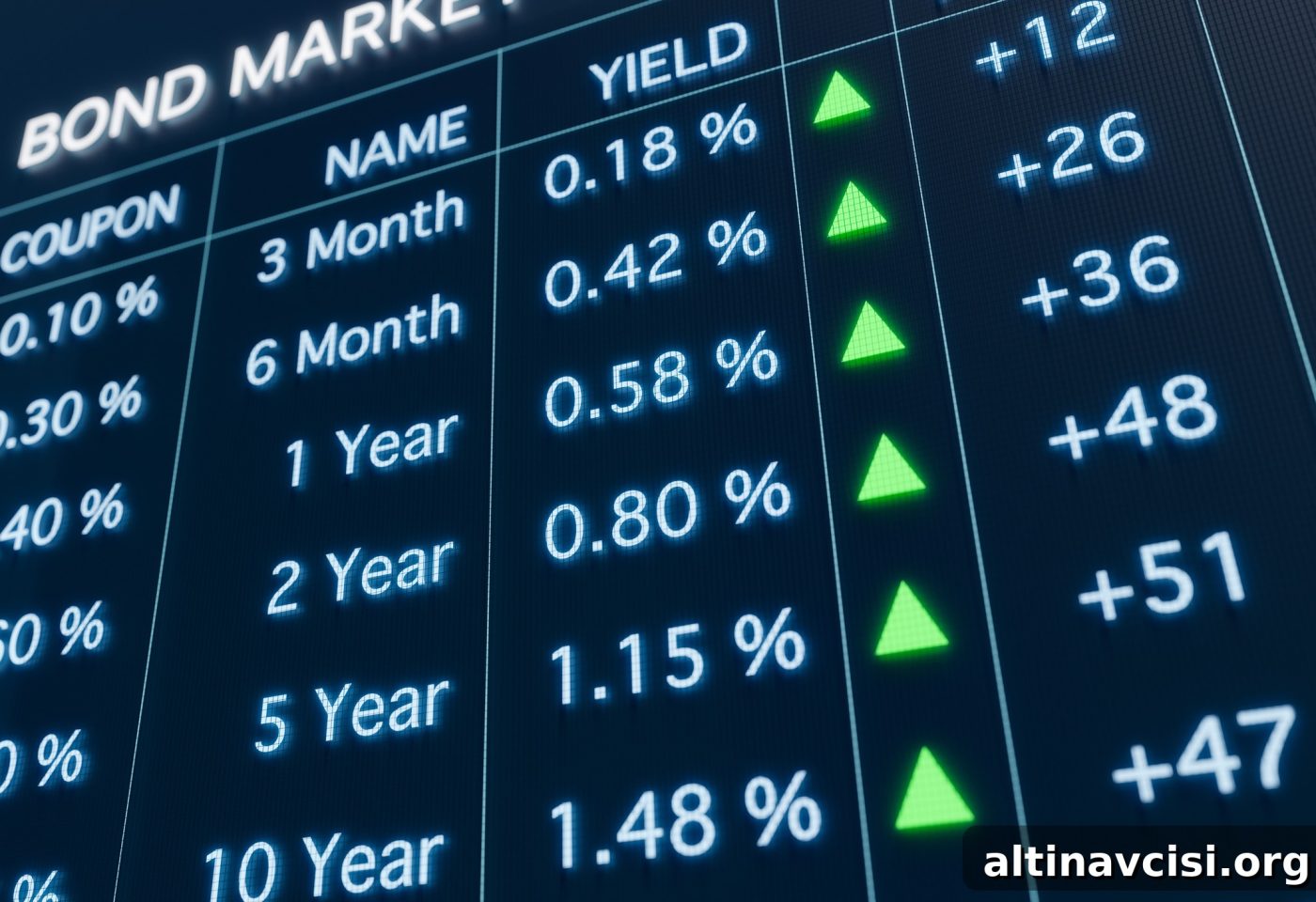
U.S. Treasury bonds rallied after fresh economic signals indicated slower economic activity and softer inflationary pressures, reinforcing market expectations that the Federal Reserve may begin cutting interest rates in 2025. The move in Treasuries reflected heightened investor demand for duration as traders reacted to the changing outlook for growth and monetary policy.
Yields Fall Across the Curve
Yields on both the two-year and 10-year Treasury notes fell by roughly 10 basis points in response to the data. The two-year yield, which is particularly sensitive to expectations about near-term Federal Reserve policy, declined as traders increased the probability of rate reductions next year. The 10-year yield also moved lower, signaling a broader shift in investor views about the path of inflation and economic activity.
Markets Price in Earlier Fed Easing
Market pricing now reflects the possibility of Fed interest rate cuts as early as September, a timing that stands in contrast to the more cautious near-term outlook recently offered by several major Wall Street firms. While some large financial institutions have pushed back the timing of anticipated Fed action, market-implied measures—derived from bond yields and futures—suggest investors are increasingly positioning for easing monetary policy in 2025 if incoming data continue to show weaker growth and moderating inflation.
Why Slower Growth and Lower Inflation Matter
Central banks like the Federal Reserve closely monitor trends in economic growth and inflation when setting interest rates. Slower economic activity and a decline in inflation reduce the pressure on policymakers to keep rates elevated to cool demand. When inflation appears to be easing toward the Fed’s objectives, the central bank gains flexibility to lower borrowing costs to support economic activity, which tends to push yields down. The bond market often leads other financial markets in anticipating these policy shifts, and the recent Treasury rally is an example of that forward-looking behavior.
Fiscal Risks and Long-Term Yields
Despite the immediate bond market reaction to softer data, concerns about the U.S. fiscal outlook remain an important counterweight. Plans for tax cuts and persistently high levels of government debt can put upward pressure on inflation and long-term interest rates over time if they meaningfully increase budget deficits or stimulate demand. In such a scenario, long-term yields could rise even as the Fed contemplates short-term rate cuts, complicating the overall interest-rate environment and influencing the shape of the yield curve.
Implications for Investors and Borrowers
For investors, a rally in Treasuries can reduce volatility in fixed-income portfolios but also narrows yields available on new purchases. For borrowers, moves in longer-term yields can influence rates on mortgages and business loans. If fiscal factors push long-term rates higher despite an easing cycle from the Fed, consumers and companies could face a mixed rate environment where short-term borrowing costs fall while some long-term financing remains elevated.
Outlook and What to Watch
Going forward, bond traders and financial market participants will watch incoming economic indicators—particularly inflation readings and growth statistics—for confirmation that the recent softening is durable. They will also monitor fiscal policy developments, including any concrete proposals that could affect deficit trajectories. Together, these forces will shape expectations about the timing and extent of Federal Reserve rate cuts in 2025 and determine whether the recent rally in Treasuries is sustained.
In summary, the recent drop in two- and 10-year Treasury yields reflects investor reassessment of growth and inflation risks and an increased probability of Fed easing next year. At the same time, fiscal policy considerations remain a significant source of uncertainty that could influence long-term borrowing costs and the broader inflation outlook.
Popular Topics
Picked from the archive
-
01
 Topics
Trump Pushes Rate Cuts, Blasts Powell as Treasury Cites Markets
-
02
Topics
Gold Surges Past $3,400 as Trump-Fed Tensions Rattle Markets
-
03
Topics
AngloGold and Gold Fields Pause Ghana Mine Merger Talks
-
04
Topics
1970s Stagflation: Is Today’s Economy Repeating History?
-
05
Topics
US Companies Delay Passing Tariff Costs as Producer Prices Drop
-
06
Topics
Gold Hits Two-Week High as Trade Tensions Flare
-
07
Topics
Gold Soars 33% in 2025: From Trump Trade to Sell America
-
08
Topics
China May Cut Tariffs on Key US Medical and Industrial Imports