Is Monday’s Gold Selloff a Dip or the Start of a Correction?
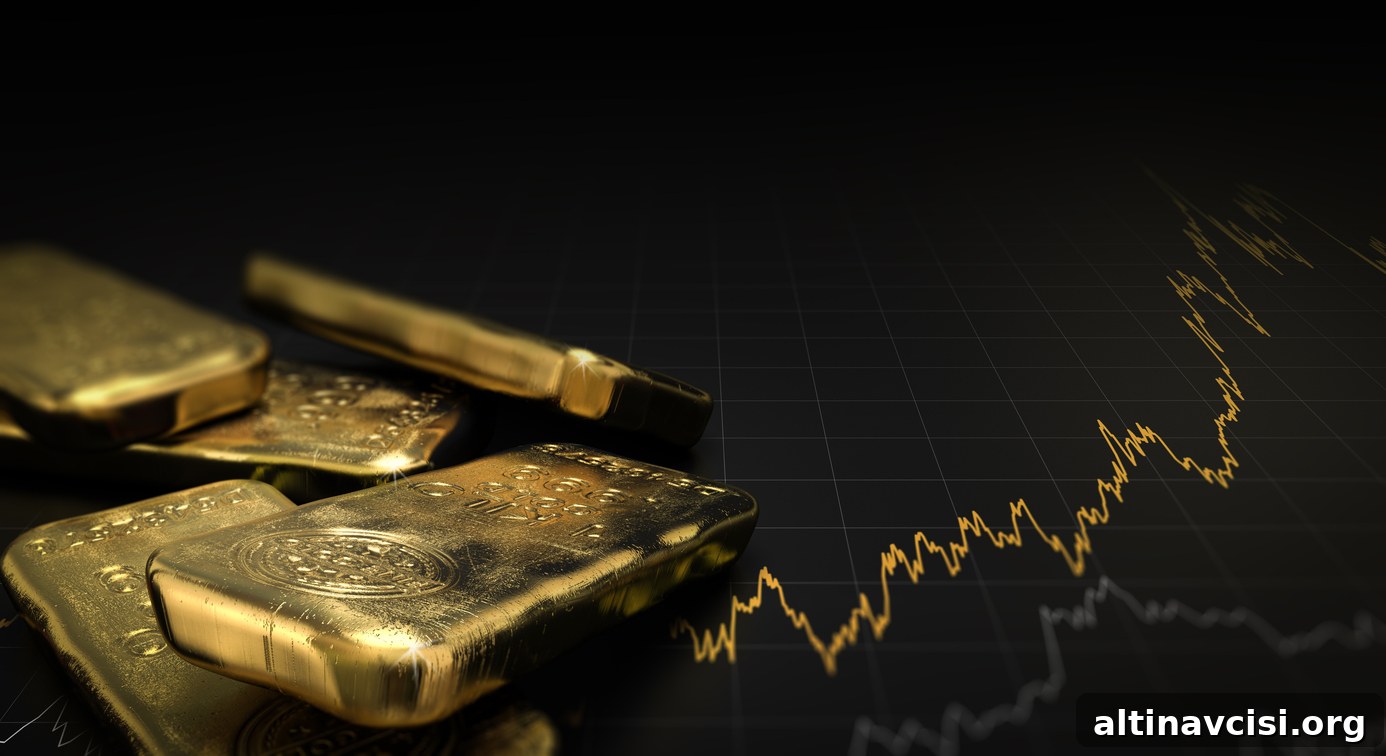
Gold Slips Over 3% After Eased US-China Tensions, But Analysts Remain Bullish on the Long Term
Gold prices fell by more than 3% on Monday following reports that trade tensions between the United States and China had eased. The immediate market response reflected reduced safe-haven demand as investors moved into riskier assets, but market commentators and institutional analysts caution that the recent drop does not necessarily signal a sustained decline for bullion.
Short-Term Market Reaction
The recent pullback was driven primarily by sentiment: when geopolitical or trade-related risks soften, gold — a traditional haven asset — often gives back gains as buying pressure eases. That dynamic helps explain the sharp one-day fall, even though underlying economic and geopolitical uncertainties remain. Market participants frequently see such moves as short-term corrections, especially after extended rallies.
Analysts Advocate Holding Rather Than Selling
Several market observers advise investors to resist the impulse to liquidate positions following the drop. Analysts at Ned Davis Research have recommended holding existing gold positions rather than selling into the weakness. Their view emphasizes that while technical indicators may suggest an overbought condition in the short run, broader economic uncertainty and ongoing geopolitical risks continue to underpin bullion demand.
Peter Grant of Zaner Metals echoed a cautiously optimistic tone. Grant noted that despite the recent pullback, the long-term outlook for gold remains constructive. He believes the market may enter a period of consolidation, absorbing recent gains and re-establishing a base for future upward movement.
Expected Range and Possible Recovery
According to Grant, gold could consolidate in a range between $3,200 and $3,500 per ounce. Within that framework, there remains potential to retest the recent record high of $3,509.90 within weeks if supportive drivers return or if risk-off conditions re-emerge. A consolidation phase in the cited range would typically be seen as healthy price action following a sharp advance, allowing momentum indicators to reset and buyers to re-enter at more sustainable levels.
Drivers to Watch
Investors should monitor several factors that can influence gold’s direction in the coming weeks: the evolution of US-China relations and other geopolitical flashpoints; central bank policy and interest rate expectations; inflation trends; and broader market risk appetite. Each of these elements can either reinforce gold’s safe-haven appeal or reduce it, prompting price swings.
What This Means for Investors
For long-term investors, the combination of geopolitical uncertainty and macroeconomic debate supports the case for maintaining exposure to gold as a portfolio diversifier and hedge against inflation or market shocks. For traders focused on shorter timeframes, the recent drop may present buying opportunities during consolidation, but it also calls for disciplined risk management given the potential for continued volatility.
Conclusion
In summary, the more-than-3% decline in gold prices following eased US-China trade concerns reflected a shift in short-term sentiment. However, major analysts, including those at Ned Davis Research and Peter Grant of Zaner Metals, advise caution about selling. Their consensus view is that the metal could settle into a consolidation range of about $3,200 to $3,500 and may retest its recent record high of $3,509.90 in the weeks ahead if supportive conditions return. Investors should weigh their time horizon and risk tolerance, and remain attentive to macro and geopolitical developments that continue to influence the precious metals market.
Popular Topics
Picked from the archive
-
01
 Topics
Gold Prices Rebound Ahead of U.S. Jobs Report
-
02
Topics
Deutsche Bank Cuts S&P 500 Forecast, Wall Street Turns Cautious
-
03
Topics
Chinese Banks Cash In on Gold’s Record Rally Amid Surging Demand
-
04
Topics
Trump Pushes Rate Cuts, Blasts Powell as Treasury Cites Markets
-
05
Topics
Goldman Sachs, JPMorgan Revise Outlook After 90-Day Tariff Truce
-
06
Topics
Technical Indicators Signal Silver Rally as Gold Fades
-
07
Topics
China May Cut Tariffs on Key US Medical and Industrial Imports
-
08
Topics
Gold Prices Jump After Moody’s Downgrade and China Buying