Fed’s Jefferson: Tariffs Could Set Back Inflation Progress
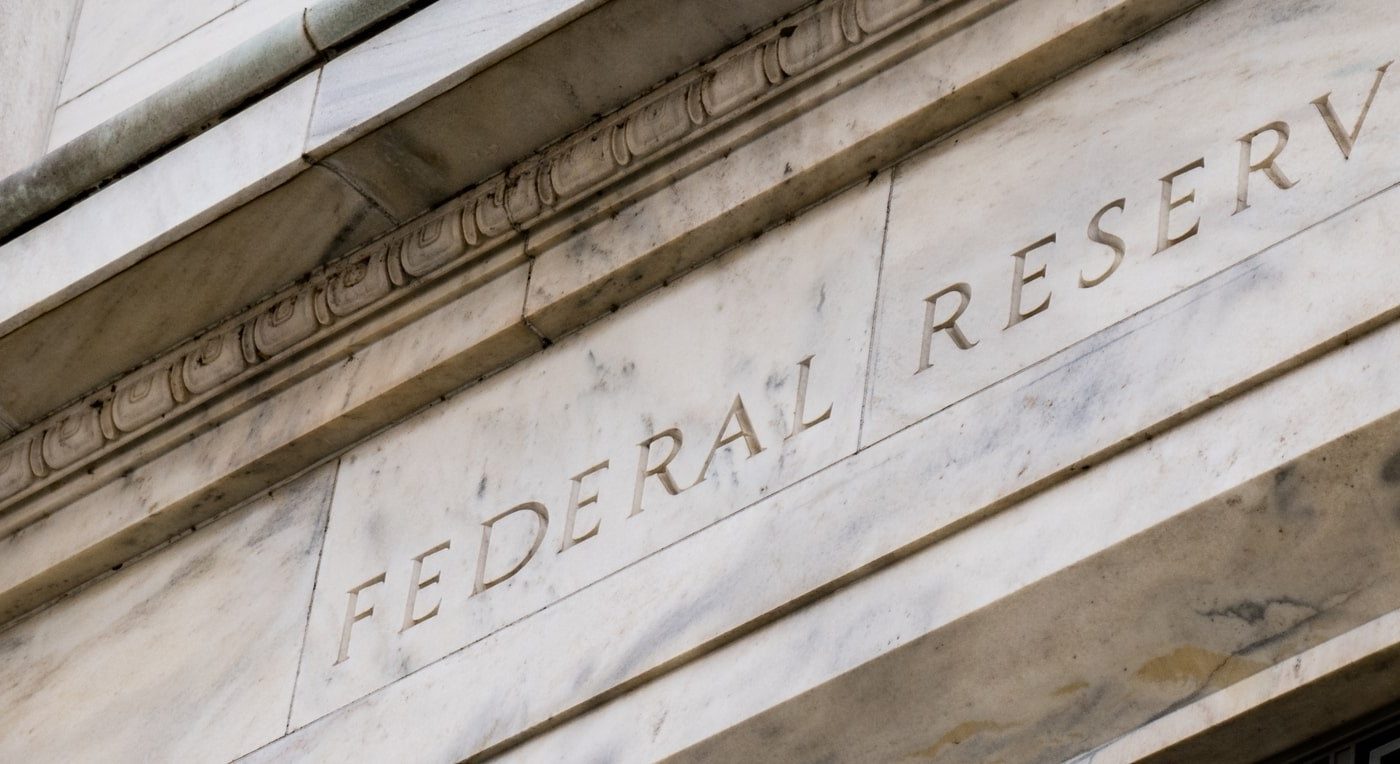
Fed’s Philip Jefferson: Tariffs Could Reverse Recent Inflation Progress
Federal Reserve Vice Chair Philip Jefferson acknowledged that recent inflation readings show improvement, but he warned that newly imposed or sustained tariffs could undo that progress. Speaking on the risks that trade measures pose to price stability and growth, Jefferson underscored the need for careful, data-driven monetary policy as the economy navigates an uncertain backdrop.
April CPI Softer, But Tariff Risks Remain
April’s consumer price index (CPI) data came in softer than many forecasters had expected, signaling a welcome easing in headline inflation pressures. Despite that encouraging development, Jefferson cautioned that import taxes — in the form of tariffs — can act like a direct price increase on goods that cross borders. When those costs are passed along the supply chain, they can feed into headline inflation and, at least temporarily, push consumer prices higher.
Tariffs can operate differently from other inflation drivers: they are a policy-induced increase in the cost of imported goods, and the effects can spread unevenly across sectors. Jefferson’s point was not to dispute the recent favorable CPI reading but to emphasize that policy shocks from trade measures could reverse or complicate the downward trend in inflation.
Inflation, Interest Rates, and the Importance of Steady Management
Against that backdrop, Jefferson highlighted the importance of a steady hand on interest rates. He described current interest rate levels as “well positioned” to respond to emerging risks — suggesting the Federal Reserve has room to react if tariff-driven price pressures or other shocks push inflation back up or if growth unexpectedly slows. That characterization reflects a balancing act: rates must be high enough to anchor inflation expectations but flexible enough to address signs of economic weakness.
Monetary policy decisions will continue to be guided by incoming data. Jefferson’s remarks reaffirm the Fed’s commitment to monitoring inflation dynamics closely rather than reacting to any single data point. The Fed’s approach tends to weigh both inflation trends and labor market conditions, seeking to promote price stability without unnecessarily curbing growth.
Business and Consumer Sentiment: Early Signs of Softening
Jefferson also noted that measures of business and consumer sentiment have softened in recent months. While sentiment indicators are not definitive measures of economic performance, declines in confidence can presage slower spending, reduced hiring, and weaker investment. The Fed watches these signals as potential early warnings of economic slowdown.
When consumers and businesses become more cautious, demand-side pressures can ease, which may help bring down inflation. But if sentiment drops because tariffs increase costs or create uncertainty, that could present a more complicated picture: higher prices in some categories alongside weaker overall demand.
What the Fed Is Monitoring
In his comments, Jefferson emphasized that the Fed is closely monitoring a range of indicators — from CPI and labor market data to business investment and consumer confidence. The central bank will be particularly attentive to any signs that tariffs are translating into broader, sustained price increases or that slowing sentiment is tipping the economy toward a more pronounced slowdown.
Ultimately, Jefferson’s message was one of cautious optimism combined with vigilance: recent inflation readings point in the right direction, but policy-induced shocks like tariffs can quickly alter the path. A steady, data-dependent posture on interest rates is essential to manage those risks and preserve the progress made on inflation while remaining alert to signs of weakening in the real economy.
Popular Topics
Picked from the archive
-
01
 Topics
Gold Price Nears $3,350 Amid Geopolitical Tensions, Weak Dollar
-
02
Topics
Trump’s Remarks Send Gold to Record $3,400
-
03
Topics
Bessent Rejects CEOs’ Recession Fears, Urges Main Street Focus
-
04
Topics
Fed Likely to Hold Rates Amid Rising Economic Concerns
-
05
Topics
Gold vs Silver 2025: Which Precious Metal Will Outperform?
-
06
Topics
Poland Tops Central Banks with 49-Tonne Gold Buy in Q1 2025
-
07
Topics
China Says Tariffs Are Meaningless, Targets Boeing and Minerals
-
08
Topics
Asian Buyers Return as Gold Prices Retreat from Records