Gold Gains as Dollar Slips Despite US China Tariff Truce
Gold Prices Rebound as Dollar Eases and Trade Truce Moderates Market Anxiety
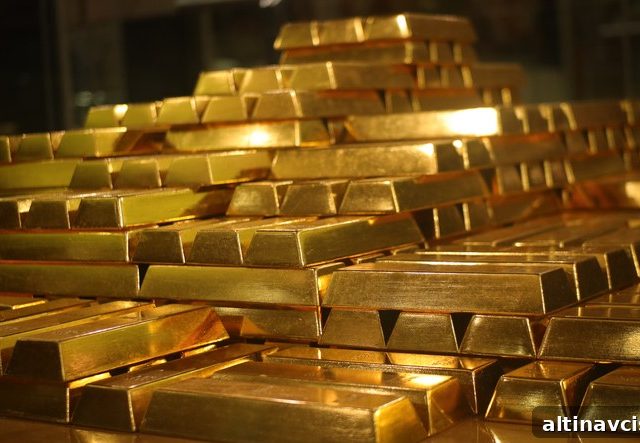
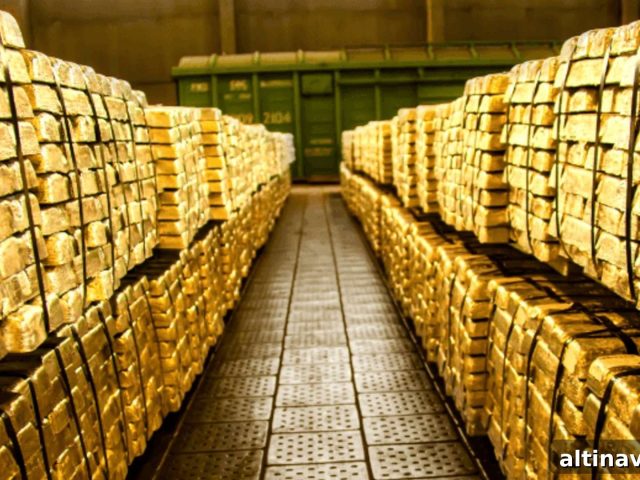
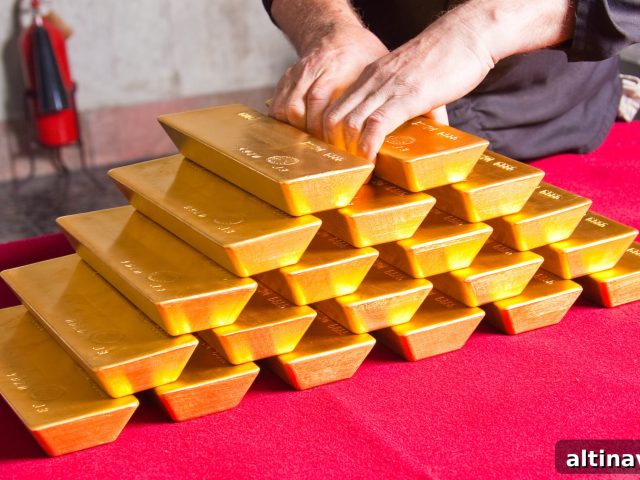
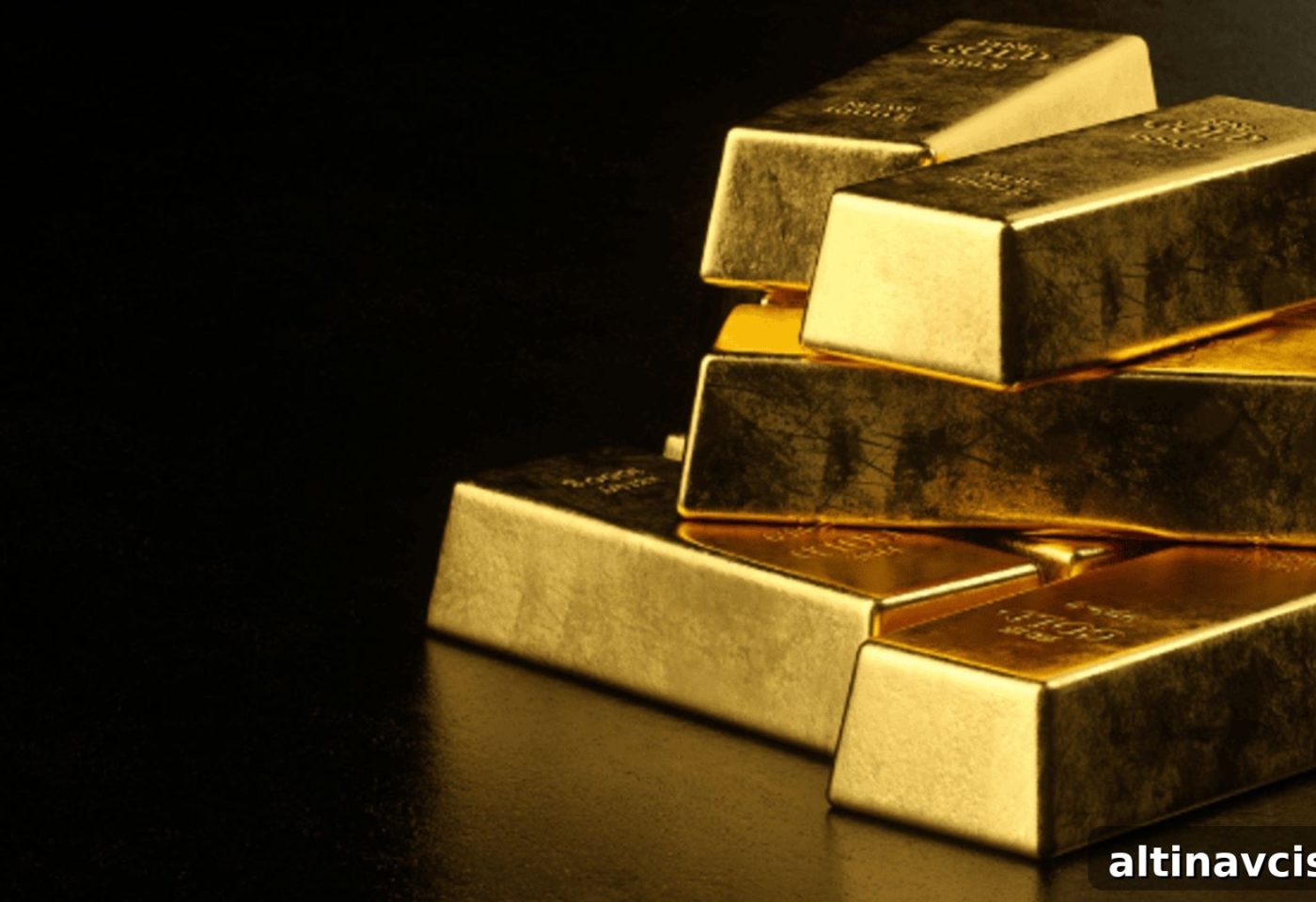
Gold prices recovered on Tuesday, climbing 0.6% to close at $3,255.09 per ounce after a decline of more than 2% the previous day. The rebound came as the U.S. dollar weakened slightly—reflected in a 0.2% dip in the dollar index—making bullion less expensive for investors using other currencies and helping to revive demand.
Key Drivers Behind the Move
Several factors contributed to the price recovery. First, the modest drop in the dollar index improved gold’s appeal for overseas buyers, who find bullion more affordable when the dollar retreats. Second, continued uncertainty around trade policy and a cooling of the recent stock market rally encouraged some investors to seek safe-haven assets such as gold. Carlo Alberto De Casa, an analyst who has followed the market closely, noted that both tariff uncertainty and a pause in equity momentum helped lift bullion prices.
The Trade Agreement and Market Reaction
On Monday, the United States and China announced a three-month tariff reduction agreement as a temporary measure to ease trade tensions. Under the deal, U.S. tariffs on Chinese goods were reported to decrease from 145% to 30%, while Chinese duties were reported to fall from 125% to 10%. This short-term truce followed an escalation in the trade dispute last month and appeared to remove some immediate downside pressure from risk assets, although it also added complexity to investor positioning.
Market participants interpreted the tariff announcement in different ways. For some, the reduction in tariffs signaled reduced near-term escalation risk, which can benefit stocks and other risk-sensitive assets. For others, the temporary nature of the agreement and the large shifts in tariff rates kept uncertainty elevated, prompting continued interest in safe-haven stores of value like gold.
How Currency Moves Influence Gold
Gold is typically priced in U.S. dollars, so fluctuations in the dollar index have a direct impact on international demand. When the dollar weakens, investors holding other currencies can buy more gold for the same amount of local currency, often supporting higher prices. Conversely, a stronger dollar tends to make gold more expensive outside the United States and can weigh on demand. Tuesday’s modest dollar decline was therefore an important technical and psychological factor in the recovery of bullion.
Safe-Haven Demand and Market Sentiment
Beyond currency influence, gold’s role as a hedge against uncertainty helps explain its intraday swings. A pause or pullback in equity markets can prompt investors to reallocate capital toward assets perceived as safer or less correlated with stocks, including gold. Analysts and traders frequently watch indicators such as equity volatility, central bank guidance, and geopolitical developments to gauge potential shifts into or out of bullion.
Outlook and Considerations
Going forward, gold’s trajectory will likely remain sensitive to three broad themes: currency moves, risk sentiment in financial markets, and any developments in trade negotiations between major economies. Temporary agreements or truces can ease immediate pressure but often leave longer-term questions unresolved, which may maintain a level of background support for gold as investors weigh the balance between risk assets and safe havens.
Investors monitoring the market should keep an eye on currency trends, equity market momentum, and further details or extensions of trade agreements. These factors will influence whether gold continues to build on its recent recovery or resumes a corrective phase following recent volatility.
Overall, Tuesday’s rebound highlights gold’s sensitivity to shifts in the dollar and to the ebb and flow of geopolitical and economic risk—factors that routinely shape demand for bullion across global markets.
Popular Topics
Picked from the archive
-
01
 Topics
Gold Price Nears $3,350 Amid Geopolitical Tensions, Weak Dollar
-
02
Topics
Trump’s Remarks Send Gold to Record $3,400
-
03
Topics
Bessent Rejects CEOs’ Recession Fears, Urges Main Street Focus
-
04
Topics
Fed Likely to Hold Rates Amid Rising Economic Concerns
-
05
Topics
Gold vs Silver 2025: Which Precious Metal Will Outperform?
-
06
Topics
Poland Tops Central Banks with 49-Tonne Gold Buy in Q1 2025
-
07
Topics
China Says Tariffs Are Meaningless, Targets Boeing and Minerals
-
08
Topics
Asian Buyers Return as Gold Prices Retreat from Records