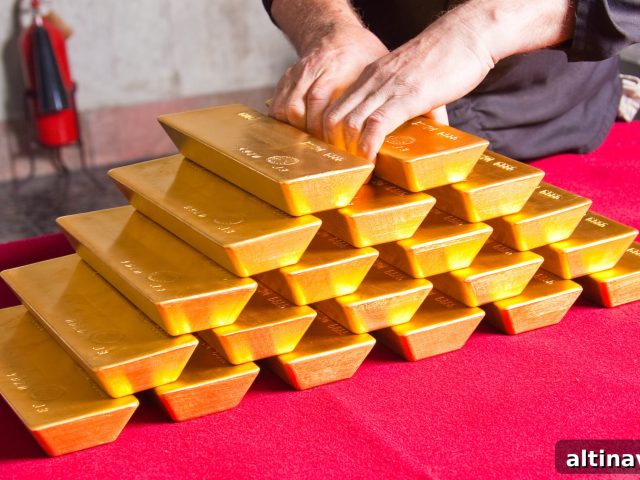
China Central Bank Uses Gold to Curb Currency Gains in Trade War

China’s Central Bank Allows Banks to Buy Foreign Currency for Gold Imports
The People’s Bank of China (PBOC) has given commercial banks permission to purchase foreign currencies specifically to facilitate gold imports. This step follows an expansion of gold import quotas announced last month and is part of a broader effort to manage market pressures and meet growing demand for the precious metal. By authorizing these purchases, the PBOC is aiming to smooth trade flows related to gold while addressing currency dynamics that have been creating challenges for Chinese exporters.
Why the Policy Change Matters
The move comes at a time of heightened market volatility tied to President Trump’s trade policies, which have led to increased uncertainty across global markets. That uncertainty has supported a rally in gold prices, which, according to recent reports, reached as high as $3,500 per ounce last month. At the same time, many Asian currencies have strengthened as investors have sought alternatives to the U.S. dollar, creating upward pressure on the yuan.
Allowing banks to buy foreign currencies for gold imports serves two main purposes. First, it helps meet the rising domestic demand for gold by ensuring importers and traders can obtain the necessary foreign exchange to settle purchases. Second, by channeling some foreign currency outflows toward legitimate import activity, the policy can help reduce upward pressure on the yuan, which has been making Chinese goods relatively more expensive abroad and complicating export recovery amid U.S. tariffs.
Implications for Chinese Exporters and the Currency
A stronger yuan can undermine the competitiveness of Chinese exporters, particularly when they are already contending with higher costs due to tariffs. The PBOC’s adjustment is therefore pragmatic: supporting gold imports while offering a modest mechanism to offset some of the appreciation pressures on the currency. This approach can provide exporters temporary relief by moderating exchange rate movements without resorting to more disruptive capital controls or extreme market interventions.
Gold as a Strategic Reserve Asset
China has continued to add to its gold holdings since November, reinforcing the role of gold in the country’s reserve mix. The PBOC views gold as a safe-haven asset that can help diversify reserves during periods of elevated geopolitical and economic uncertainty. Increasing gold reserves can serve multiple policy objectives: it delivers portfolio diversification, signals a hedging strategy against currency volatility, and supports domestic demand for a long-standing store of value.
Market Response and Broader Effects
The authorization for banks to purchase foreign currencies tied to gold imports is likely to affect several segments of the market. For gold traders and importers, it improves access to foreign exchange and can reduce transaction frictions. For currency markets, it offers a targeted tool to moderate yuan appreciation without broad-based interventions. And for exporters, the policy may provide a subtle but important easing of competitive pressures stemming from currency gains.
At the same time, policymakers will need to balance these benefits against potential downsides, such as the risk of encouraging speculative flows or creating distortions if the measure is used beyond its intended scope. The effectiveness of this policy will depend on how tightly the PBOC and commercial banks manage foreign currency allocations for genuine import needs versus other uses.
Conclusion
By permitting commercial banks to purchase foreign currencies specifically for gold imports, the PBOC has taken a measured step to address concurrent pressures: surging gold demand and an appreciating yuan. The policy supports the logistics of gold trade, aligns with China’s ongoing reserve diversification through increased gold holdings, and provides a limited channel to alleviate exchange rate stress on exporters. In an environment shaped by trade tensions and market volatility, this targeted adjustment reflects the central bank’s effort to manage both financial stability and external competitiveness.
Popular Topics
Picked from the archive
-
01
 Topics
Gold Price Nears $3,350 Amid Geopolitical Tensions, Weak Dollar
-
02
Topics
Trump’s Remarks Send Gold to Record $3,400
-
03
Topics
Bessent Rejects CEOs’ Recession Fears, Urges Main Street Focus
-
04
Topics
Fed Likely to Hold Rates Amid Rising Economic Concerns
-
05
Topics
Gold vs Silver 2025: Which Precious Metal Will Outperform?
-
06
Topics
Poland Tops Central Banks with 49-Tonne Gold Buy in Q1 2025
-
07
Topics
China Says Tariffs Are Meaningless, Targets Boeing and Minerals
-
08
Topics
Asian Buyers Return as Gold Prices Retreat from Records