Poland Builds Strategic Gold Reserve, Overtakes ECB Holdings
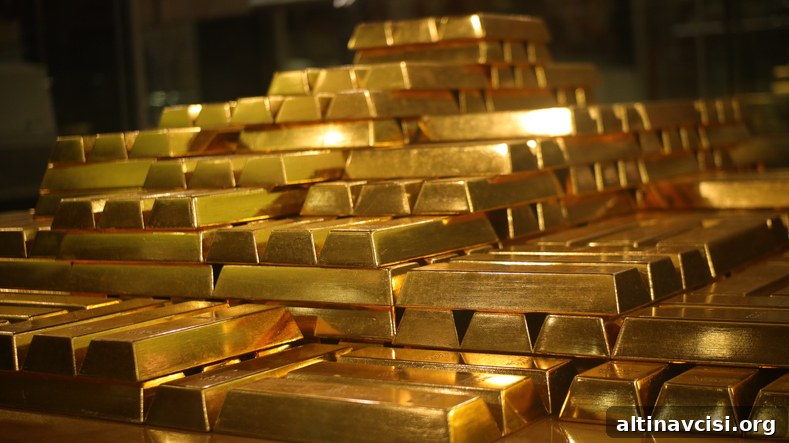
Poland’s Central Bank Now Holds 509.3 Tonnes of Gold, Surpassing the ECB
Poland’s central bank, the National Bank of Poland (NBP), officially holds 509.3 tonnes of gold, exceeding the European Central Bank’s 506.5 tonnes, NBP Governor Adam Glapiński reported. This level of gold reserves marks a substantial shift in the bank’s asset composition and places the NBP ahead of the ECB in terms of physical gold holdings.
The growth in Poland’s gold reserves has been dramatic. In 1996 the NBP held just 14 tonnes of gold, and by 2016 holdings had risen to 102 tonnes. The most notable acceleration occurred after 2022, when the pace of acquisition quickened significantly. That buildup reflects a deliberate strategic choice by the NBP to increase the role of gold within its reserve portfolio.
Gold now represents 22% of Poland’s total reserves, surpassing the bank’s internal target of 20%. This higher share indicates a clear preference for gold as a reserve asset within the NBP’s broader risk management and diversification strategy. By allocating a larger portion of reserves to gold, the bank has reduced relative exposure to other reserve components such as foreign currency assets and government securities.
Storage and custody of the gold are split across multiple locations. Approximately 20% of Poland’s gold reserves are kept within the country, while the remainder is held in international vaults in New York and London. The NBP has stated its intention to eventually distribute the holdings equally across all three locations, a move that would further diversify counterparty and geopolitical risk linked to custody.
Governor Glapiński provided a valuation for the holdings, placing the current value of Poland’s gold reserves at €44.3 billion. He also noted that the gold has appreciated by roughly €14.12 billion since the time of purchase. That appreciation reflects both changes in the market price of gold and the timing and scale of the NBP’s acquisitions.
The expansion of NBP gold holdings and the decision to exceed the 20% target have several practical and symbolic implications. Practically, a larger gold allocation can act as a hedge against currency volatility, inflationary pressures, and systemic shocks in global financial markets. Symbolically, a substantial physical gold reserve can serve as a signal of precautionary policy and financial independence, reinforcing confidence among domestic and international stakeholders.
Poland’s move to surpass the ECB in gold holdings also underscores variations in reserve management approaches among European central banks. While the ECB manages reserves on behalf of the euro area as a whole, national central banks like the NBP retain autonomy over national reserve composition. The NBP’s strategy highlights how national priorities and risk assessments can lead to different outcomes in reserve portfolios across the region.
Looking ahead, the NBP’s stated plan to equalize storage among Poland, New York and London will be a logistical and security-focused undertaking. Equal distribution across these centres would align with best practices in diversification of custody and could reduce concentration risk tied to any single jurisdiction or vault operator.
In summary, Poland’s central bank has significantly increased its gold reserves in recent years, reaching 509.3 tonnes and overtaking the European Central Bank’s holdings. With gold now accounting for 22% of total reserves and valued at €44.3 billion, the NBP’s policy reflects a clear emphasis on diversification and resilience in its reserve management strategy.
Popular Topics
Picked from the archive
-
01
 Topics
Gold Prices Rebound Ahead of U.S. Jobs Report
-
02
Topics
Deutsche Bank Cuts S&P 500 Forecast, Wall Street Turns Cautious
-
03
Topics
Chinese Banks Cash In on Gold’s Record Rally Amid Surging Demand
-
04
Topics
Trump Pushes Rate Cuts, Blasts Powell as Treasury Cites Markets
-
05
Topics
Goldman Sachs, JPMorgan Revise Outlook After 90-Day Tariff Truce
-
06
Topics
Technical Indicators Signal Silver Rally as Gold Fades
-
07
Topics
China May Cut Tariffs on Key US Medical and Industrial Imports
-
08
Topics
Gold Prices Jump After Moody’s Downgrade and China Buying