Trade Optimism Lifts Dollar, Pushes Gold Lower Amid Geopolitics
Dollar Strengthens After Trade Deal Announcement; Precious Metals React
The U.S. dollar gained 0.30% following President Trump’s announcement of a comprehensive trade deal with the United Kingdom, a development that eased some global trade tensions and boosted investor confidence in riskier assets. Contributing to the dollar’s advance were better-than-expected U.S. jobless claims and higher first-quarter unit labor costs, economic indicators that signaled continued strength in the American labor market and supported the currency’s outlook.
Gold Declines as Safe-Haven Demand Eases
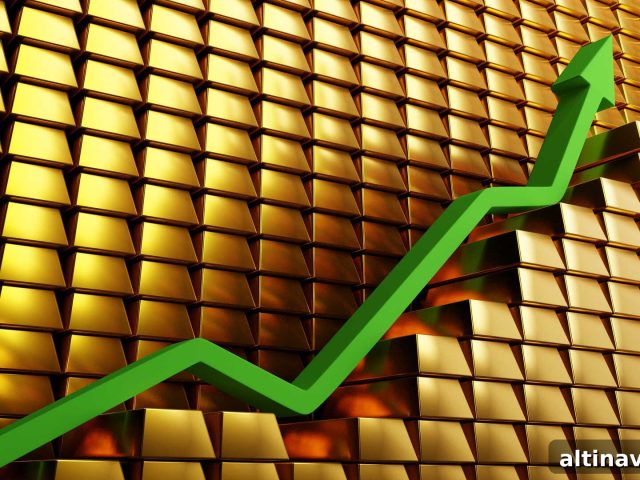
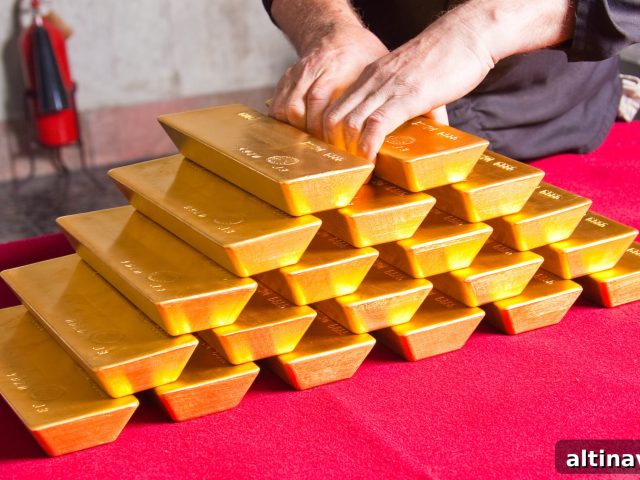
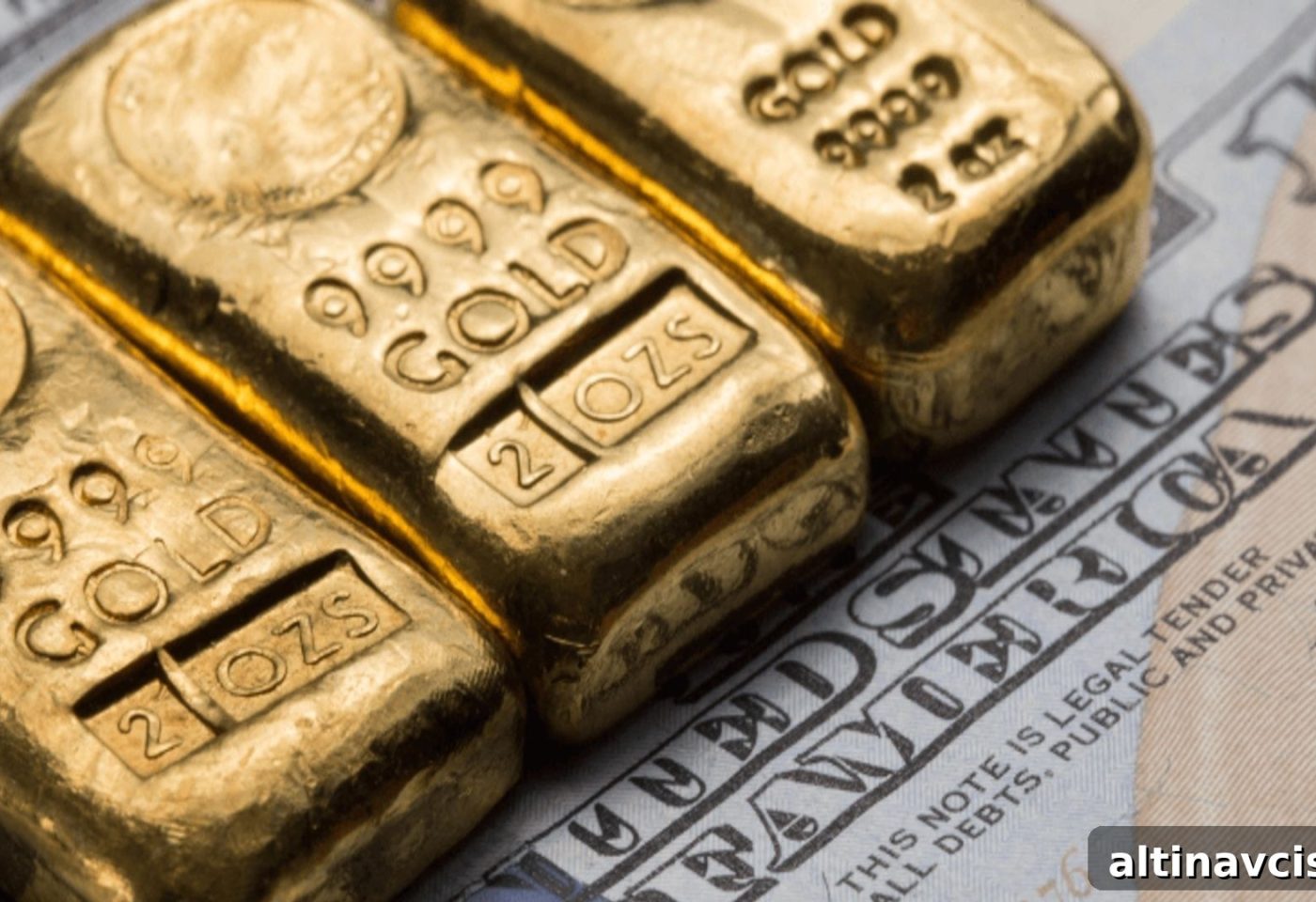
Gold prices retreated 0.84%, settling at $3,366.13 per ounce. The precious metal’s drop was mainly attributed to a reduced appetite for safe-haven assets as trade-related uncertainty diminished and the dollar firmed. Since gold is typically priced in dollars, a stronger U.S. currency can put downward pressure on bullion by making it more expensive for buyers using other currencies.
Silver Inches Higher on Industrial Demand
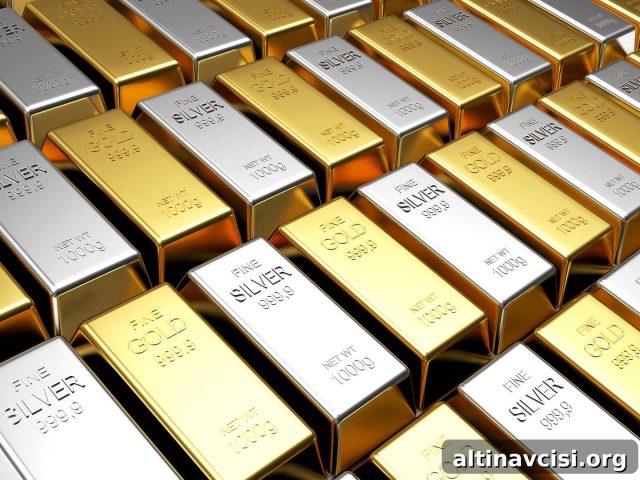
In contrast, silver saw a modest increase of 0.21%. The uptick was linked to robust German industrial production data, which supported expectations for stronger demand in industrial metals. Silver’s dual role—both as an investment metal and an industrial input—means it often reacts differently than gold when growth indicators point to higher manufacturing activity.
Geopolitical and Policy Factors Still Support Metals
Despite the recent moves, both gold and silver found some underlying support from ongoing geopolitical tensions in South Asia and the Middle East. Geopolitical risks can sustain demand for safe-haven assets even when broader market sentiment improves. Additionally, the Bank of England’s decision to cut interest rates provided another supportive factor for precious metals, as lower interest rates tend to reduce the opportunity cost of holding non-interest-bearing assets like gold and silver.
What This Means for Investors
Investors should consider how these converging forces — trade developments, labor-market signals, central bank policy, and geopolitical tensions — interact to influence currency and commodity prices. A stronger dollar typically weighs on dollar-denominated commodities, while rate cuts and geopolitical risk can lift precious metals. Silver’s sensitivity to industrial demand makes it more responsive to manufacturing indicators, such as the recent German data, compared with gold.
Outlook and Considerations
Market participants will likely monitor subsequent economic releases, central bank commentary, and developments related to the trade agreement to gauge the durability of the current moves. Key factors to watch include continued labor-market reports, inflation and unit labor cost trends, further industrial production figures, and any escalation or de-escalation of geopolitical tensions that could shift safe-haven demand. Changes in monetary policy expectations, particularly from major central banks, will also remain important determinants of precious metals and currency performance.
In summary, the recent combination of a trade deal announcement, firmer U.S. labor-related data, and central bank actions has produced a stronger dollar, a pullback in gold prices, and a modest rise in silver tied to industrial demand. Market dynamics remain fluid, and investors should weigh both macroeconomic indicators and geopolitical developments when assessing positions in currencies and precious metals.
Popular Topics
Picked from the archive
-
01
 Topics
Gold Price Nears $3,350 Amid Geopolitical Tensions, Weak Dollar
-
02
Topics
Trump’s Remarks Send Gold to Record $3,400
-
03
Topics
Bessent Rejects CEOs’ Recession Fears, Urges Main Street Focus
-
04
Topics
Fed Likely to Hold Rates Amid Rising Economic Concerns
-
05
Topics
Gold vs Silver 2025: Which Precious Metal Will Outperform?
-
06
Topics
Poland Tops Central Banks with 49-Tonne Gold Buy in Q1 2025
-
07
Topics
China Says Tariffs Are Meaningless, Targets Boeing and Minerals
-
08
Topics
Asian Buyers Return as Gold Prices Retreat from Records