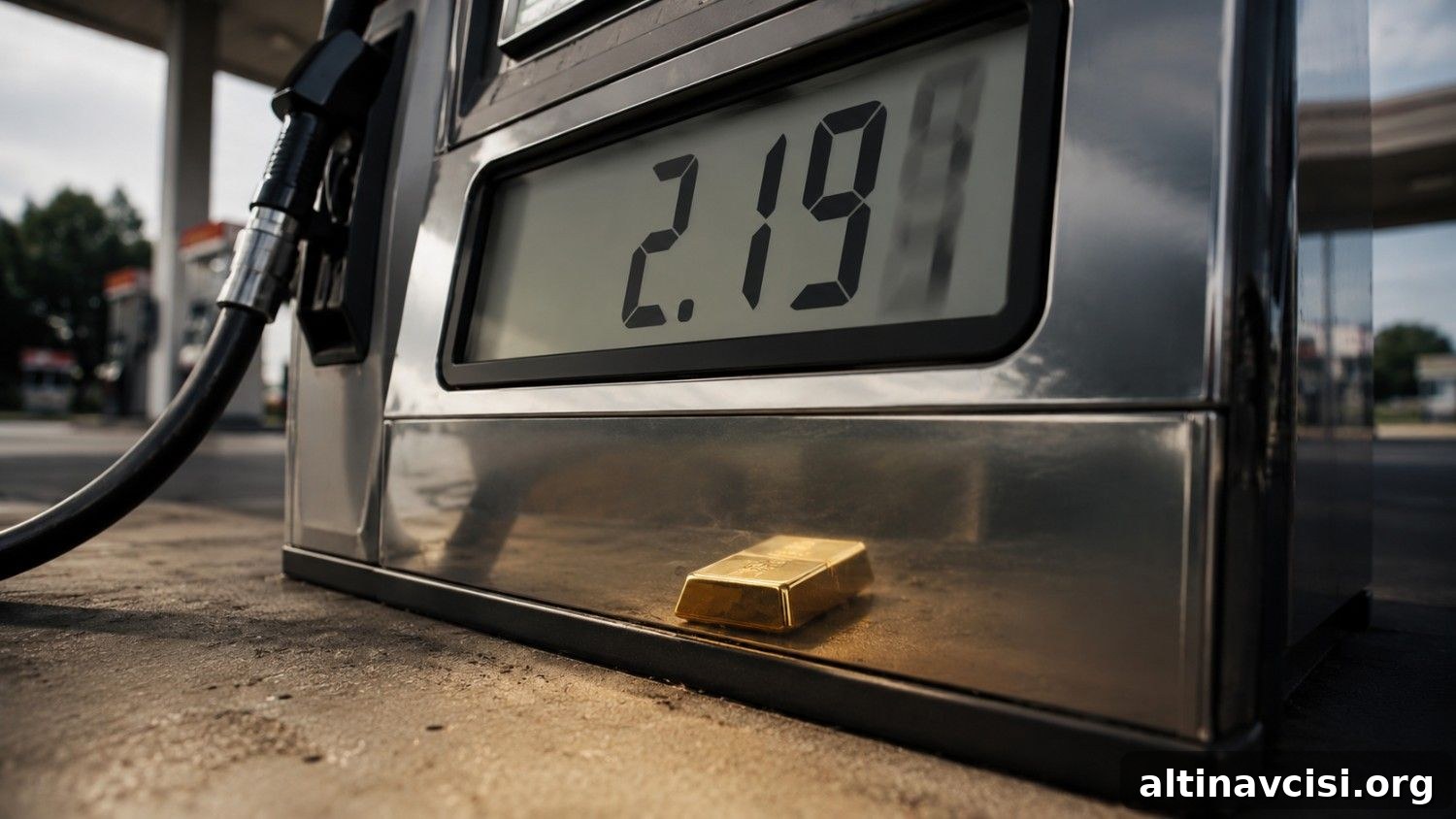
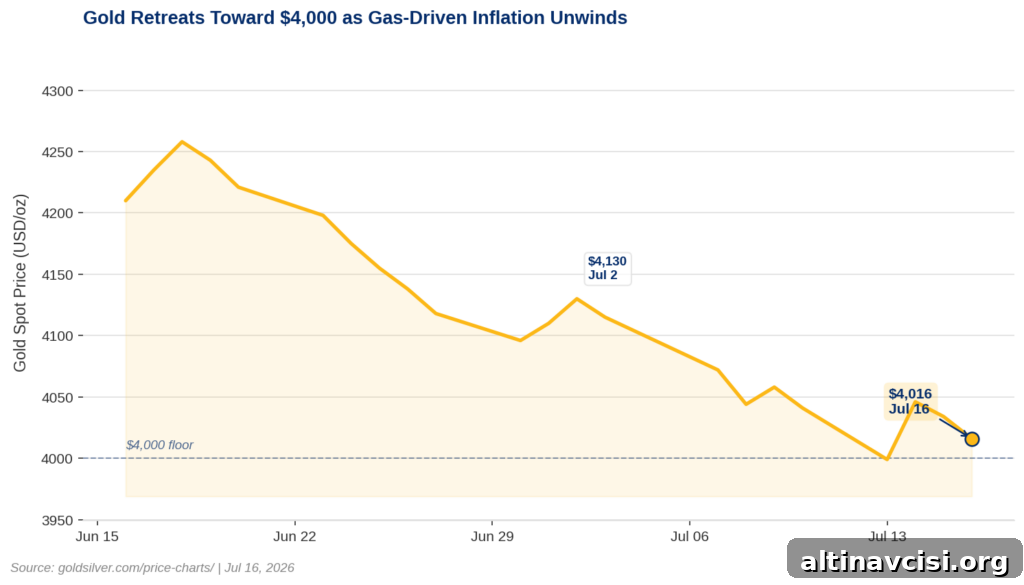
Gold opened this morning at $4,016 and silver slipped to $56.28, marking silver’s sharpest single-session decline in more than a week. The pullback followed the June retail sales report, which included a quiet but important reversal in the components that have pressured gold throughout the year.
Released at 8:30 AM ET by the U.S. Census Bureau, the June retail sales report showed total retail receipts up 0.2% from May. That headline figure looks modestly positive, but the deeper breakdown tells a clearer story. Receipts at gasoline stations fell 5.3% in June—the largest monthly drop in the series. Excluding gasoline, retail sales rose 0.7%. Remove both gasoline and auto sales, and the Federal Reserve’s preferred “core control” measure climbed 0.4% month over month.
The implication is straightforward: American consumers are still spending. That matters a great deal for gold prices.
Why Does Retail Sales Data Move Gold Prices?
The link runs through the Federal Reserve. When consumer spending remains firm, the Fed has less reason to reduce interest rates. The federal funds rate currently sits in the 3.50%–3.75% range, and policymakers are divided on the path ahead. Gold, which produces no yield, faces an opportunity cost when real interest rates—nominal rates adjusted for inflation—are elevated. Higher real yields make non-yielding assets like gold less attractive relative to cash and bonds that deliver a real return.
Today’s retail figures reinforce the view that the Fed does not need to act immediately. With consumer demand proving resilient, the likelihood of near-term rate cuts diminishes. That keeps real yields elevated and keeps downward pressure on gold despite falling headline inflation.
The Edge Every Investor Needs
Smarter precious metals investing starts with timely analysis. The Nuggets Newsletter delivers market insights, Fed updates, global trends, and educational content to help investors stay informed.
What the Gas Pump Was Hiding
There’s a second angle many reports will miss. From March through May, receipts at gasoline stations surged—rising 15.5% in one month, then 2.8%, then 3.4%—as geopolitical tensions and U.S. strikes on Iranian targets pushed oil prices higher and threats to shipping routes flared. Those energy-driven gains boosted headline retail sales and added to consumer price inflation, pushing the CPI from 2.4% in February to 4.2% by May.
That oil-to-CPI transmission raised expectations for further Fed tightening, contributing to the sharp sell-off in gold earlier this year. Gold fell from $5,589 in January to briefly trading under $4,000 last week as market participants priced in a higher-for-longer rate outlook.
Now that transmission is reversing. June CPI fell 0.4%, the largest monthly decline since April 2020, as easing oil prices reduced the inflation impulse. June producer prices also cooled, and gasoline station receipts dropped 5.3% in the month. That unwind reduces the immediacy of inflationary pressure coming from energy prices.
Still, the important distinction remains: fading inflation driven by lower gas prices is not automatically a trigger for rate cuts. The Fed can choose to stay on hold rather than loosen policy, and a steady policy stance maintains elevated real yields—keeping pressure on gold and silver in the near term.
Is the Fed Done? Two Dates Will Decide.
Two upcoming releases will shape the short-term outlook for precious metals. The Federal Open Market Committee meets July 28–29, and the language used at the post-meeting press conference will influence rate expectations and market positioning. Shortly after, on July 30, the June Personal Consumption Expenditures (PCE) report—the Fed’s preferred inflation gauge—will arrive and clarify whether the energy-led decline in CPI and PPI carries through to the broader measure of consumer prices.
A softer PCE print would reduce the chances of further rate hikes and give gold space to rally back above key levels, potentially aligning with projections that point to a higher year-end target. A stronger-than-expected PCE reading would likely keep policy firm and extend the downward pressure on both gold and silver.
For long-term investors, the structural case for gold remains intact. Central banks have continued buying through this correction, and broader monetary concerns do not hinge on monthly swings in gasoline prices. Near term, however, today’s data emphasize that the Fed’s work is not finished, and market prices for gold and silver reflect that continued uncertainty.
See live gold and silver prices on your preferred market data site or price feed.
Stay On Top of Gold & Silver Prices
Get important market alerts sent straight to your inbox.
SOURCES
1. U.S. Census Bureau — Advance Monthly Sales for Retail and Food Services, June 2026 (report referenced)
2. Bureau of Labor Statistics — Consumer Price Index — June 2026 (report referenced)
3. Bureau of Labor Statistics — Producer Price Index — June 2026 (report referenced)
4. Federal Reserve — FOMC Statement and Summary of Economic Projections, June 17, 2026 (report referenced)
5. Market price data — Live gold and silver spot prices, July 16, 2026 (data referenced)
Disclaimer: This article is for informational purposes only and does not constitute financial or investment advice. Consult a qualified financial adviser before making investment decisions.
You May Also Like:
- Silver Dropped 1.4% Today. Gold Didn’t. The Ratio Just Hit 70:1.
- Gold Holds as CPI and PPI Both Miss. Here’s Why.
- Gold Is Flat. Oil Is Up 9%. Here’s Why.
- Gold and Fed Policy: When the System Picks Winners
- Warsh Testified. Gold Jumped $90. The Signal Everybody Missed Was in His Report.
- Gold Jumped $90 This Morning. June CPI Just Explained Why.