Gold and silver market update — April 28, 2026
Key Takeaways
- China’s three-move silver sequence: export licensing (January 2026), record imports (March 2026), and now a sulfuric acid export ban effective May 2026 — each action tightens silver supply at a different point in the chain.
- Why sulfuric acid matters for silver: About 70% of newly mined silver is a byproduct of copper, lead, and zinc mining (Silver Institute, World Silver Survey 2025). Restricting sulfuric acid doesn’t name silver, but it can reduce silver production by curbing base-metal output.
- Chile faces the most immediate risk: The world’s largest copper producer imports over one million tonnes of Chinese sulfuric acid annually. In 2025 China supplied 37% of Chile’s acid imports, and roughly a fifth of Chile’s copper output depends on acid-based leaching.
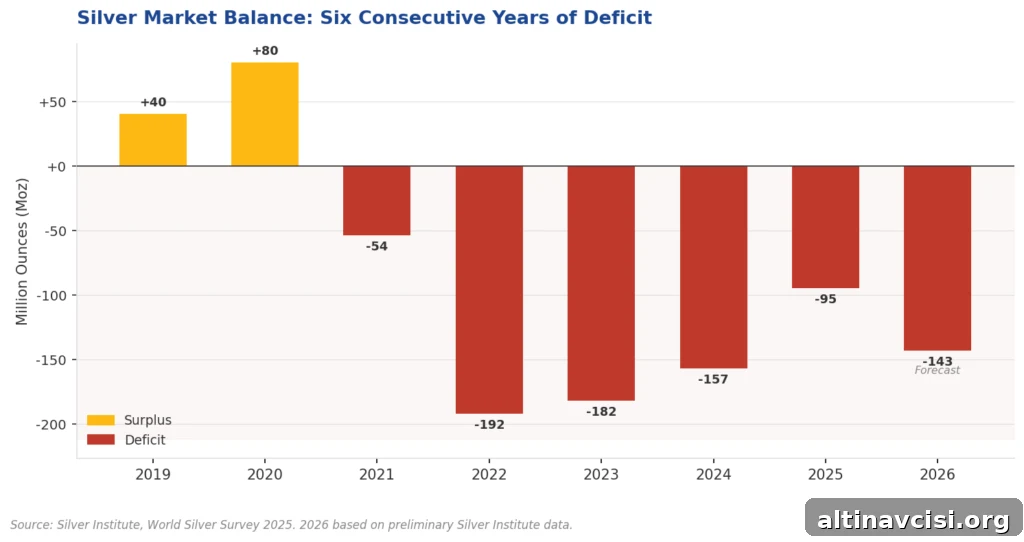
- The structural backdrop: Silver demand is forecast to outstrip supply for the sixth straight year in 2026, adding to a five-year cumulative deficit already above 800 million ounces — roughly a full year of global mine production (Silver Institute).
Since late 2025 China has taken three discrete steps that affect the silver market. It tightened export licensing, pushed import volumes to record levels, and now plans to halt sulfuric acid exports starting in May — a move reported by Bloomberg and S&P Global. The acid ban is framed around industrial inputs for copper mining and fertilizer production, but it also has clear implications for silver because so much silver is produced as a byproduct of base-metal mining.
The ban does not mention silver by name, and it does not need to. By constraining the industrial chemistry used in copper extraction, it reduces the output of mines that yield a substantial share of the world’s silver.
How Does China’s Sulfuric Acid Ban Affect Silver Supply?
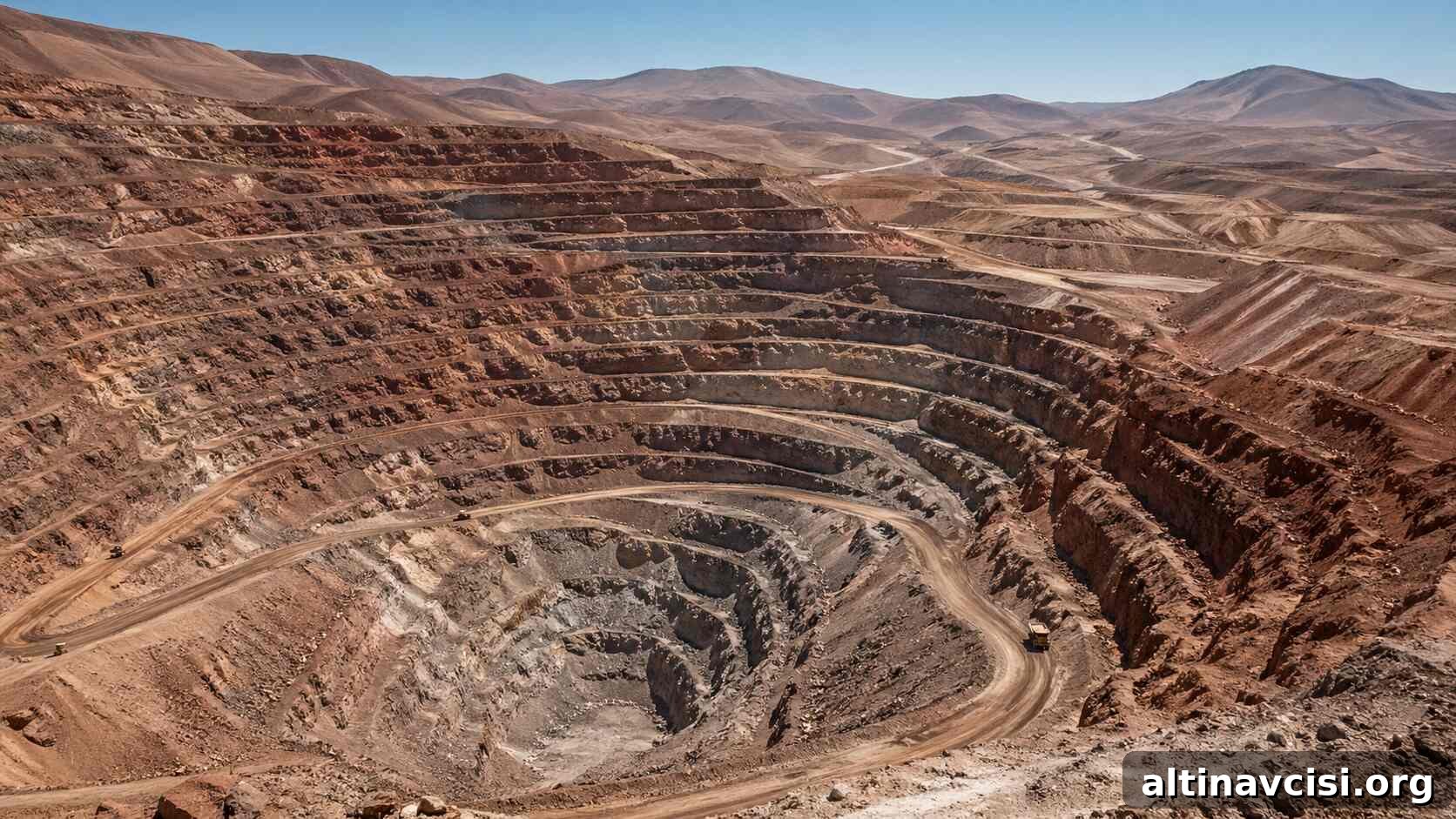
Sulfuric acid is the primary reagent for copper heap-leach operations. It dissolves copper from low-grade oxide ores, enabling large-scale extraction from crushed rock. Much of this leaching is concentrated in Chile, which has historically imported over one million tonnes of Chinese sulfuric acid a year. S&P Global Market Intelligence reports China provided 37% of Chile’s acid imports in 2025.
Signs of strain are already visible. By mid-April some copper producers reported having less than 30 days of acid on hand, according to S&P Global citing Ivanhoe Mines co-chairman Robert Friedland. Acid prices in Chile rose roughly 44% within a month. Industry officials have warned Chile is highly exposed to interruptions in acid supply.
Where silver fits in: the Silver Institute’s World Silver Survey 2025 shows about 70% of newly mined silver is produced alongside copper, lead, and zinc — not from primary silver mines. Silver is recovered as part of base-metal processing. When copper output is reduced by an acid shortage, silver production falls as well.
Put simply: you do not need to target silver directly to tighten its supply. Restricting the chemicals that enable base-metal production produces the same outcome.
Analysts at S&P Global and CRU suggest the ban could remain in effect through the end of 2026. If so, marginal copper operations in Chile, the Democratic Republic of Congo, and Zambia may scale back production, and silver supply would decline in step with those cuts.
The Edge Every Investor Needs
Smarter precious metals investing starts here. The Nuggets Newsletter brings essential market insights, Fed updates, global trends, educational videos, and more.
Is China’s Silver Strategy Part of a Larger Pattern?
The sulfuric acid ban follows two earlier measures that together form a sequence beginning in late 2025.
Move one: export licensing. From January 1, 2026 Chinese firms needed government licenses to export refined silver. Only 44 large, state-linked companies qualified, and the minimum 80-tonne annual production threshold effectively excluded most smaller exporters.
Move two: record imports. In March 2026 China recorded a surge in silver imports even as it limited outbound flows.
Move three: the sulfuric acid export ban announced in April 2026. It does not target silver directly but tightens the acid supply critical to copper leaching — and therefore affects the silver produced as a byproduct of copper mining.
Each policy affects a different layer of the supply chain. Together they have a reinforcing effect on global silver availability.
What Does Today’s COMEX Delivery Date Tell Us?
April 28 is the first-notice date for COMEX May silver futures, when longs must declare intent for physical delivery. More than 26,900 contracts remain open, representing over 134 million ounces. Exchange inventory trackers show elevated physical pressure. The futures market continues to roll on schedule, while the physical supply available to satisfy delivery is under strain.
Does China Have a Grand Plan — or Is This Coincidence?
These three moves do not require a conspiracy to explain. Each carries a clear domestic rationale. Export licensing preserves silver for China’s industrial needs — solar panels, electronics, and electric vehicles require silver. The acid ban responds in part to disruptions in sulfur supply tied to the Iran conflict and related Strait of Hormuz closures, which have cut seaborne sulfur volumes and pressured feedstock availability for fertilizer production.
Regardless of intent, the combined effect outside China is meaningful. Three policy levers implemented over months have tightened external silver availability at multiple points in the supply chain.
Market fundamentals were already tight: silver demand is forecast to exceed supply for the sixth consecutive year in 2026, and the five-year cumulative deficit has exceeded 800 million ounces. The acid ban hits a market with limited spare capacity.
Physical silver — bullion owned outright and stored outside the financial system — remains unaffected by export licenses or futures roll mechanics. It does not require re-refining or an export permit, making it a different form of supply than metal flowing through industrial channels or exchange inventories.
That distinction is practical: physical metal sits outside the policies and paper markets that are tightening supply.
What Should Investors Watch Next?
The direction of the acid ban is clear; its duration is uncertain. Chilean buyers covered acid needs for the first half of 2026 but left much of the second half unhedged, so the pressure point could arrive this summer. Monitor Chile’s copper output data in May and June — those figures will show whether the acid shortage translates into lower production and therefore reduced silver byproduct volumes.
Stay On Top of Gold & Silver Prices
Get important market alerts sent straight to your inbox.
SOURCES
1. IDNFinancials — China Allows 44 Companies to Export Silver for 2026–2027
2. Trivium China — China’s Silver Export License Requirements Take Effect
3. Bloomberg — China Moves to Ban Sulfuric Acid Exports as Iran War Hits Supply
4. S&P Global Platts — China’s Sulfuric Acid Restrictions Set to Squeeze Miners
5. S&P Global Platts — No Quick Sulfuric Acid Fix for Chilean Copper Sector
6. Mining.com — China Moves to Ban Sulfuric Acid Exports as Iran War Hits Supply
7. Mining.com — Copper King Chile Faces Acid Supply Crunch as China Exports Dry Up
8. Supply Chain Magazine — How China’s Sulphuric Acid Ban Will Hit Metals & Fertiliser
9. Supply Chain Magazine — China’s Acid Ban Puts Chile’s Copper Output on the Line
10. Silver Institute — Silver Industrial Demand Reached a Record 680.5 Moz in 2024
11. Silver Institute — World Silver Survey 2025 (PDF)
By the GoldSilver Editorial Team — helping investors understand sound money since 2005. This article is for informational purposes only and does not constitute financial, investment, or tax advice. Always consult a qualified financial advisor before making investment decisions.
You May Also Like:
- Powell Press Conference: What It Means for Gold
- Iran Blinked — And One Word From Powell Decides What Happens Next
- COMEX Silver First Notice Day April 30: What to Watch
- What Warsh as Fed Chair Means for the Gold Price
- 5 Signals the Mainstream Gold & Silver Narrative Missed
- Before the Fed Speaks, Watch This Number for Gold
- Gold Price Today: What to Watch Before the April 29 FOMC
- What’s Driving Gold Prices? Oil, PMI, and Newmont