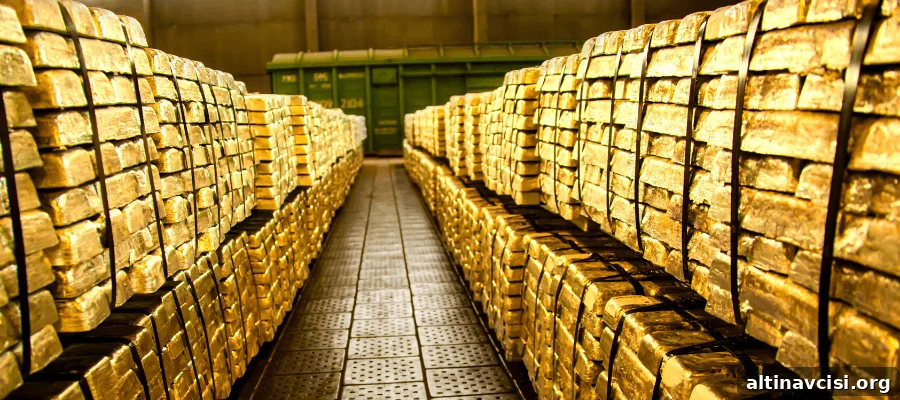
Elon Musk will lead an inspection of the United States’ gold reserves at Fort Knox through his Department of Government Efficiency (DOGE), addressing long-standing concerns about the absence of routine, transparent audits.
The move follows years of public pressure from Senator Rand Paul, who has spent the last decade urging greater scrutiny and public verification of the nation’s bullion holdings. The United States maintains the largest official gold reserve in the world, totaling more than 8,100 metric tonnes as of late 2024, with large quantities held at Fort Knox in Kentucky and at the Federal Reserve Bank of New York.
Senator Paul and other advocates argue that regular, independent audits are important not only for accounting accuracy but also for preserving public confidence. They say that confirming the presence, weight and custody of these holdings helps sustain the perceived value underpinning the U.S. dollar and supports trust in the broader global financial system.
Proponents of the inspection highlight several objectives: to confirm the existence and condition of the bullion, to verify custodial procedures and inventory controls, and to increase transparency around how these national assets are managed. Supporters contend that such measures can strengthen institutional credibility without necessarily changing monetary policy.
Critics caution that audits must be carefully designed to respect security protocols and the integrity of sensitive facilities. Fort Knox and similar sites are high-security environments, and any inspection must balance transparency goals with logistical and safety requirements. Those concerns have historically influenced how and when officials allow public or private reviews.
Beyond immediate verification, advocates say a credible audit could have wider implications. In an era of shifting geopolitical dynamics and periodic questions about reserve holdings, clear documentation of the nation’s gold stockpile can reduce speculation and reassure domestic and international stakeholders. Transparent reporting may also serve as a precedent for other nations and institutions seeking to bolster confidence in their own reserve practices.
Whether the inspection by DOGE will set a new standard for frequency and scope of audits remains to be seen. What is clear is that renewed attention to the issue has revived public debate over reserve transparency and the symbolic role that physical gold continues to play in backing confidence in fiat currencies.
The unfolding developments will likely prompt further discussion in Congress, among financial authorities, and within the broader public about the best way to reconcile transparency with security, and how to communicate audit findings in a manner that strengthens trust without revealing sensitive operational details.