Key Takeaways
- Silver traded in the $29–$35 range through most of 2024 and into early 2025 before launching a historic rally.
- Prices rose above $40 in September 2025, $50 in October, $60 in December and reached an intraday peak of $121.67 on January 29, 2026.
- After a more than 40% pullback from the peak, silver was trading around $70 as of March 30, 2026 — roughly double its level a year earlier.
- Unlike earlier spikes in 2011 and 2020 that fully retraced, silver has settled well above its pre-rally baseline, suggesting a possible structural repricing rather than a temporary spike.
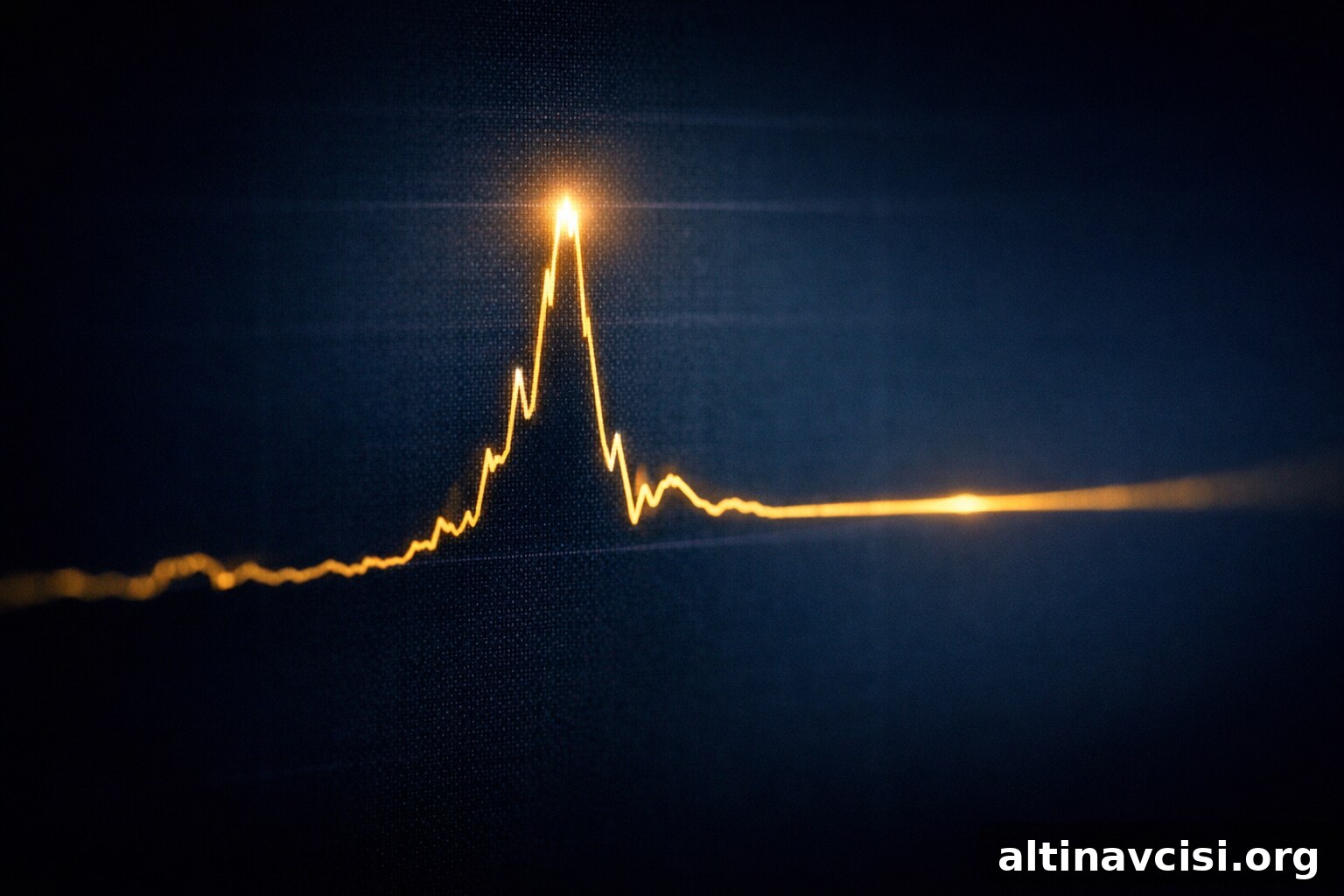
Silver spent most of 2024 and the first months of 2025 confined to the low $30s. Between March 2025 and late January 2026 the metal recorded one of the steepest advances in its history, climbing from roughly $34 to an intraday high of $121.67 on January 29, 2026 — a gain of more than 250% in under a year.
The subsequent retreat has been swift: silver pulled back more than 40% from that January high and, by March 30, 2026, was trading near $70. That level remains substantially higher than the market’s recent baseline and changes the conversation from whether the rally failed to whether a new, higher support level has been established.
What Does a “Price Floor” Actually Mean in Silver Markets?
A price floor is a level where buying demand regularly absorbs selling pressure, creating sustained support. It is not a guarantee against future declines, but when a commodity holds materially above its previous trading range after a major rally, it indicates the market may have re-evaluated its fair value.
Silver consolidated in the $29–$35 range through most of 2024 and early 2025. As the rally progressed and prices cleared successive milestones — $40 in September 2025, $50 in October, $60 in December and then triple digits in January 2026 — each breakout absorbed selling and attracted fresh two-sided participation. The consolidation that followed, centered near $70, represents the market probing for where genuine demand exists rather than merely pausing mid-rally.
If buyers consistently defend the $70 area, that price would function as a new structural floor, effectively raising the baseline of silver’s support within a single year.
How Did Silver Go From $34 to $121 in Less Than a Year?
The rally was driven by multiple converging factors rather than a single catalyst.
At its core was rising industrial demand. Silver is essential in solar panels, EVs, medical devices and electronics. Industrial fabrication reached record levels in recent years, driven by renewable energy deployment, telecommunications upgrades and broader electrification. That steady consumption created an underlying structural bid that speculative episodes alone do not produce.
Monetary and macro conditions also helped. Dollar weakness and persistent inflation concerns increased investor interest in tangible assets. When real rates fail to offset purchasing power erosion, allocators often shift into hard assets, which supports price appreciation over time.
The gold-to-silver ratio set the stage for a catch-up move. The ratio had lingered at historically high levels, implying silver was deeply undervalued relative to gold. As gold advanced, silver began to mean-revert, and technical breakouts, including long-term chart patterns, amplified momentum as price cleared multi-year resistance zones.
Those elements combined to produce a rapid sequence of milestones: $40, $50, $60, then $80 and finally a move past $100 in January 2026, accelerated further by momentum trading and short-covering.
Why Did Silver Pull Back So Sharply From Its January 2026 Peak?
A 250% advance in under a year is rarely sustainable without intermittent profit-taking and mean reversion. The intraday peak in late January 2026 combined genuine macro and industrial drivers with speculative excess, momentum buying and short-covering that compressed months of price discovery into a short span.
Silver’s history includes similar episodes: strong spikes that were followed by substantial corrections. The crucial difference this time is the level where prices settled after the correction. Instead of returning to pre-rally ranges, silver found support well above those levels — near $70 — suggesting a potential reset rather than a complete reversal.
Is $70 Silver a Support Level or a Temporary Resting Point?
No price level is impervious given silver’s volatility, but several arguments support $70 being more than a mere pause.
First, the rally created a range of buyers who entered at different price points; those participants have incentives to defend the levels where they established positions. Second, the industrial demand trends that helped lift silver have not reversed: continued solar and EV deployment keeps consumption elevated. Third, the gold-to-silver ratio has compressed from extreme readings, reducing the case that silver remained deeply undervalued relative to gold.
Taken together, these factors make $70 a credible area of two-sided demand rather than only a temporary resting spot — though a sustained macro shock or policy shift could still challenge that support.
How Does Silver at $70 Compare to Its Long-Term Trading History?
From roughly 2013 through 2024 silver typically traded between about $14 and $30, with prices above $25 considered elevated. A sustained level near $70 would represent a large and rapid regime shift compared with that decade-long range.
Historical precedent exists for such shifts: after extended periods of low prices in prior decades, silver advanced to and consolidated at much higher ranges during commodity cycles. Whether the 2025–2026 move constitutes a comparable long-term regime change will depend on how persistent demand and macro conditions evolve.
What Would Confirm — or Break — the New Price Floor?
Several developments would reinforce $70 as a lasting support level: continued growth in industrial demand (especially solar and EV manufacturing), sustained strength in gold that keeps the gold-to-silver ratio compressed, and an extended period of price consolidation above $65–$70 without a sustained breakdown.
Conversely, a significant and durable weakening in industrial consumption, a sharp tightening of global monetary policy, or an extended risk-off event that forces broad liquidations could all undermine the floor. Silver’s inherent volatility makes such scenarios plausible and worth monitoring.

What Happened in 1971?
The guide that explains the moment our financial system changed.
Stay On Top of Gold & Silver Prices
Get important market alerts sent straight to your inbox.
People Also Ask
What is silver’s new price floor after the 2025–2026 rally?
After rising from roughly $34 in early 2025 to a late-January 2026 intraday high above $120, silver pulled back and settled near $70 as of March 2026. Whether that level proves durable depends on the persistence of industrial demand, the gold-to-silver relationship and broader macroeconomic conditions.
Why did silver spike above $120 in January 2026?
The spike combined rising structural industrial demand, dollar weakness, an extreme gold-to-silver ratio that signaled potential undervaluation, and the technical completion of a long-term breakout pattern. Speculative momentum and short-covering amplified the final leg of the advance.
Is $70 silver a support level or a temporary pause?
Price action and fundamentals point to genuine two-sided demand near $70: buyers from multiple entry points, ongoing industrial consumption, and a re-compressed gold-to-silver ratio. Still, silver’s volatility means that no price level is permanently guaranteed.
How does the 2025–2026 silver rally compare to 2011 and 2020?
Rallies in 2011 and 2020 were sentiment-driven and later retraced substantially. In contrast, the 2025–2026 advance has seen silver stabilize at a level far above its pre-rally baseline, a pattern more consistent with structural repricing than the prior speculative surges.
What Drives Silver’s Price Floor Higher
Sustained industrial demand growth — particularly in solar and electric vehicles — continued strength in gold that keeps the gold-to-silver ratio compressed, and persistent dollar weakness or inflation concerns would all support a higher structural floor for silver.
This article is for informational purposes only and should not be considered investment advice. Always do your own research or consult a qualified financial advisor before making investment decisions. Past performance does not guarantee future results.
Sources
- GoldSilver.com — Silver spot price chart and daily closing prices, Jan 2020–Mar 2026.
- Silver Institute — World Silver Survey 2025 for industrial demand and supply data.
- Silver Institute — analysis on technology-driven silver demand and forecasts.
- GoldSilver.com — Gold/silver ratio chart and history.
- Historical price records and industry reports compiled from public, cited sources.
You May Also Like:
- 87% Dollar Devaluation Since 1971: Why Central Banks Keep Buying Gold
- How to Roll Over Your 401(k) Into a Gold IRA
- Why the World Needs More Silver Than It Can Mine
- Gold Prices and Real Interest Rates: What Every Investor Must Know
- What Is the Gold Standard? A Complete History From 1873 to Today
- Gold and Silver Mining Stocks: What Most Investors Miss
- Is There a Silver Shortage in 2026? The Data Is Alarming
- When Should You Sell Gold and Silver? (And What to Buy Next)