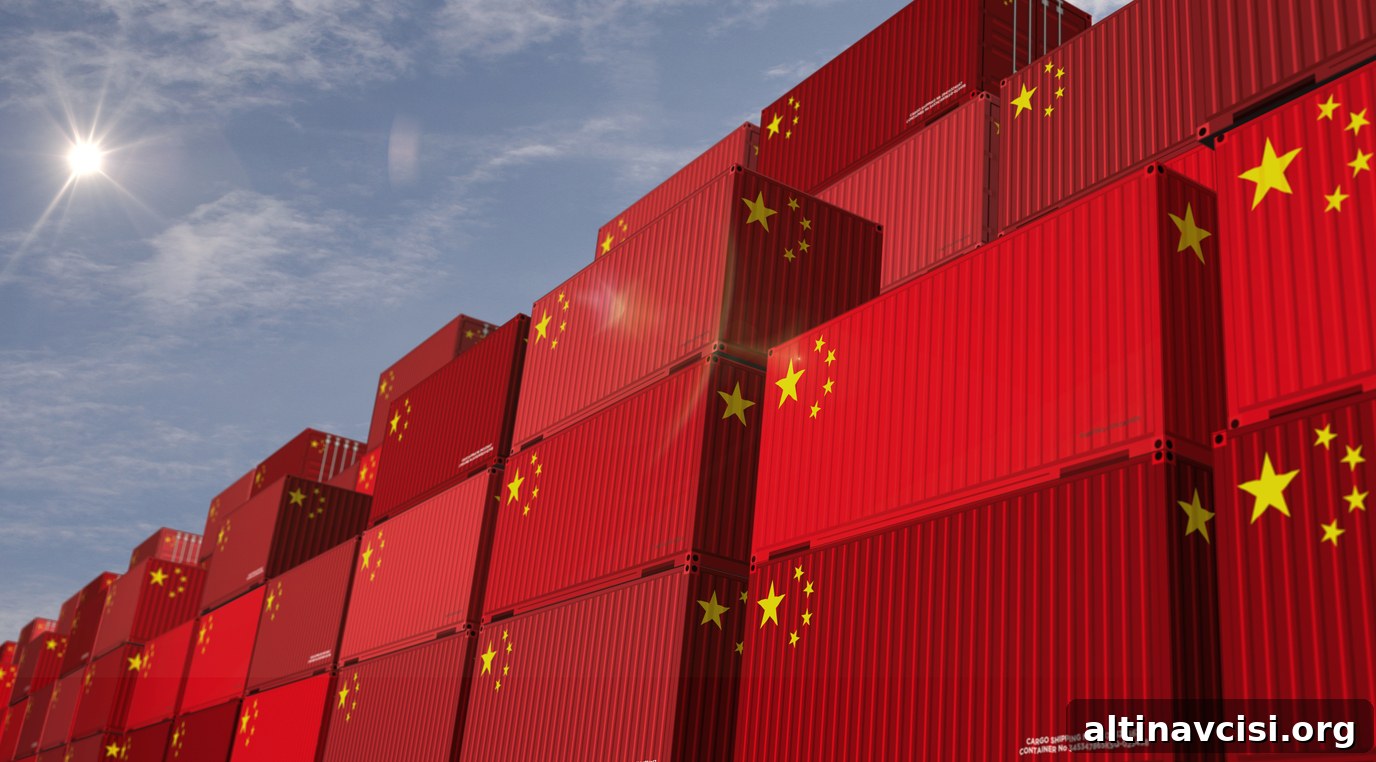
China has set out several conditions for resuming trade negotiations with the Trump administration. Key demands include more respectful public language from U.S. officials, a consistent and stable U.S. negotiating position, and concrete responses to Chinese concerns about sanctions and Taiwan.
Beijing has also requested a designated lead negotiator backed by President Trump—someone empowered to prepare and finalize an agreement that could be signed by President Trump and President Xi Jinping.
The prolonged trade conflict, which has seen U.S. tariffs applied to many Chinese imports, has raised worries about global economic disruption. High tariffs and retaliatory measures have strengthened public support in China for firm countermeasures against the United States, complicating the path to a rapid settlement.
Chinese officials stress that productive talks require mutual respect and predictable policy signals. They argue that shifting U.S. positions and aggressive rhetoric make it difficult to build the trust needed for detailed technical negotiations. In Beijing’s view, appointing a clearly authorized U.S. lead negotiator would streamline dialogue, help resolve outstanding technical and political issues, and create the conditions for a summit-level agreement.
On the substance of negotiations, China wants assurances that discussions will address broader political and economic concerns beyond tariffs alone. That includes clarifying the scope and limits of any sanctions and ensuring Taiwan-related matters are handled in a way that respects China’s core interests. Chinese leaders view such guarantees as essential to any durable compromise.
Observers warn that the trade standoff has wider implications: supply chains, investment flows, and market confidence can all be disrupted if tensions continue. Both sides face domestic pressures that make concessions politically sensitive—U.S. officials under pressure to counter perceived unfair trade practices, and Chinese leaders needing to demonstrate strength to a domestic audience.
For negotiations to move forward, analysts say both governments will need to reduce inflammatory rhetoric, commit to consistent policy positions, and establish a practical negotiating mechanism. A mutually acceptable lead negotiator could play a pivotal role by bridging political directives and technical implementation, coordinating teams, and preparing the framework for a final agreement between the two presidents.
Until those conditions are met, talks are likely to remain stalled. China’s demands underline how deeply political and strategic considerations are intertwined with economic issues, and they suggest that any successful deal will require careful, high-level coordination as well as technical compromise.