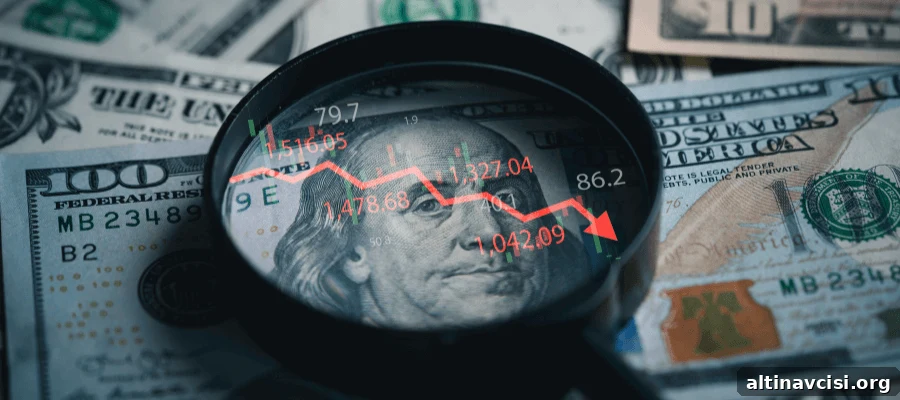
Goldman Sachs strategist Richard Chambers forecasts further weakness in the U.S. dollar as foreign investors expand currency hedging in response to persistent market volatility.
The Bloomberg Dollar Index has dropped more than 8% year-to-date, marking the steepest start to a year on record. Chambers links this decline to policy uncertainty and changing investor behavior: with European buyers refocusing on domestic opportunities, demand from abroad for U.S. bonds is likely to wane. That shift could leave the United States increasingly dependent on domestic purchasers to finance its borrowing needs.
At the same time, gold is positioned as a notable beneficiary of the current environment. As governments around the world step up borrowing, investors often seek assets that can preserve value amid currency moves and higher macroeconomic risk—factors that tend to support demand for bullion.
Chambers’ view highlights two interacting trends. First, heightened volatility and policy ambiguity drive foreign investors to hedge currency exposure more aggressively, reducing their appetite for unhedged U.S. dollar assets. Second, greater reliance on domestic capital markets may alter yields and financing dynamics in the United States, influencing both bond markets and broader currency flows.
For currency markets, the combination of weaker foreign demand for U.S. debt and active hedging could exert additional downward pressure on the dollar. Investors monitoring this dynamic may adjust portfolios toward assets less correlated with dollar movements or toward commodities such as gold that historically serve as stores of value during periods of uncertainty.
Overall, Chambers’ assessment underscores how shifts in investor behavior and cross-border capital flows can amplify currency moves and influence where global capital is allocated. The evolving landscape suggests potential implications for bond markets, currency valuations, and safe-haven assets in the months ahead.