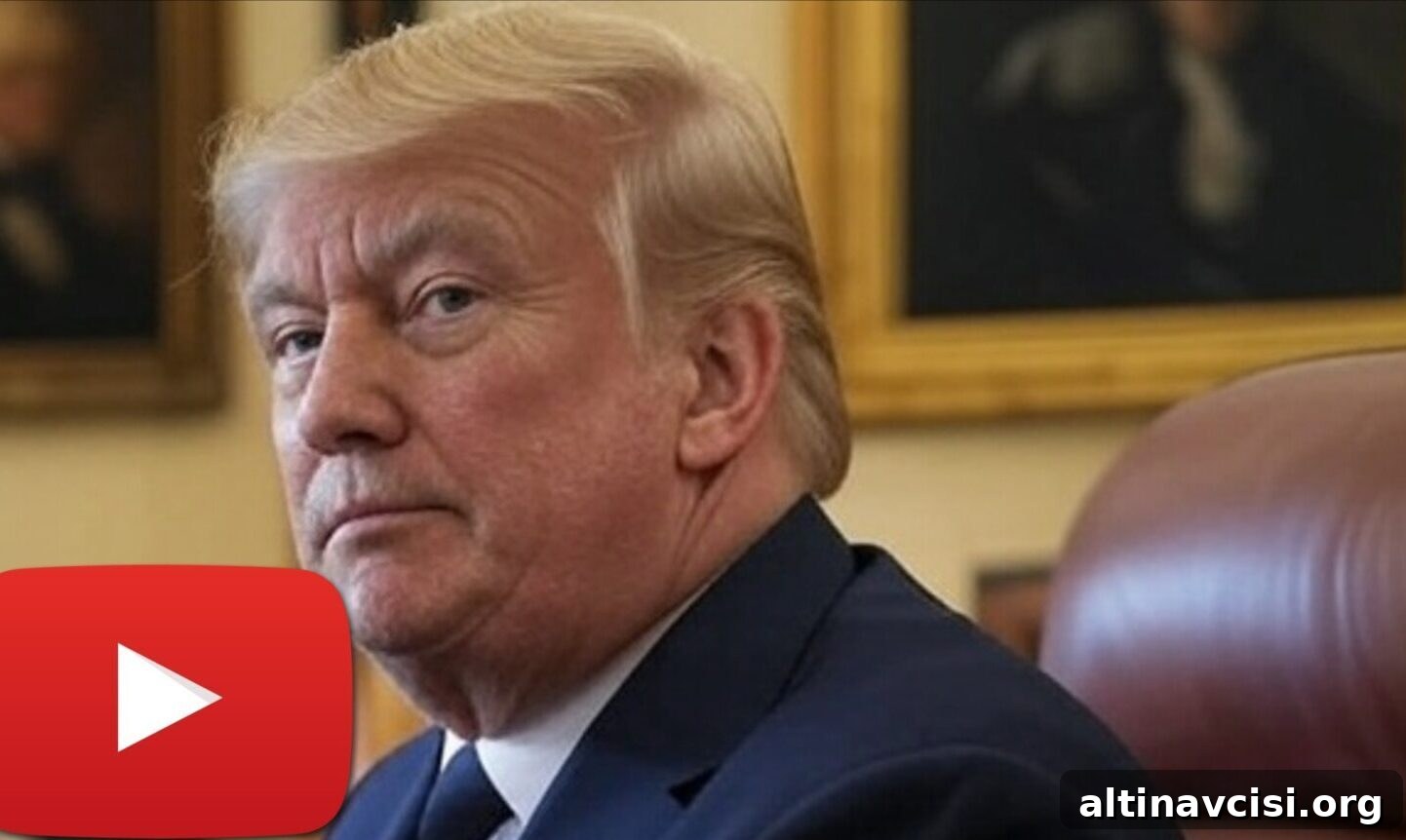
The Trump administration has intensified trade negotiations with several countries, requesting their best offers by Wednesday as officials push to resolve outstanding issues before a looming deadline. The urgency is driven by a July 8 cutoff—about five weeks away—when tariffs that had been temporarily paused are scheduled to resume. Those tariffs, referred to internally as “Liberation Day” measures, were put on hold for 90 days beginning April 9 after financial markets showed signs of distress.
A draft communication from the Office of the United States Trade Representative asks trading partners to provide comprehensive proposals that address a range of topics, including tariffs, quotas, digital trade and protections related to economic security. The request signals an expectation that countries present concrete, negotiable positions rather than tentative ideas. Officials say they will rapidly review submissions and recommend potential compromise options to move talks forward.
To date, the most visible result of this acceleration is an agreement with the United Kingdom, but that arrangement is best described as a framework rather than a finished trade deal. The U.K. accord outlines broad areas of cooperation while leaving many technical and legal details for later negotiation. Other partners have yet to produce comparable submissions, leaving significant work to be completed if any comprehensive agreements are to be finalized before the temporary tariff pause expires.
Observers note that the tight timetable increases pressure on both U.S. trade negotiators and their foreign counterparts. Compressing complex trade discussions into a narrow window raises the risk that talks will default to short-term compromises or limited frameworks instead of fully detailed, enforceable treaties. Conversely, proponents argue the deadline creates leverage to extract concessions and accelerate outcomes that might otherwise take months or years.
Key topics raised in the USTR draft reflect modern trade realities. Tariff levels and quota arrangements remain central, but negotiators are now allocating more attention to digital trade rules, data flows, and safeguards tied to national economic security. These newer elements reflect evolving concerns about how technology, supply chains and geopolitical competition intersect with traditional tariff policy. Negotiators must balance market access and protectionist measures against the need for secure data handling and resilient supply chains.
U.S. officials emphasize that responses should be substantive and actionable. The administration plans to evaluate offers quickly and identify areas for compromise where both sides can claim gains. That approach is intended to prevent protracted back-and-forth and to maximize the chance of reaching acceptable terms before the July 8 resumption date. However, analysts caution that rapid evaluation can produce uneven outcomes if insufficient time is devoted to legal drafting and enforceability checks.
For countries negotiating with the U.S., the present moment represents both a challenge and an opportunity. Meeting the Wednesday submission deadline requires diplomatic bandwidth and technical expertise, but doing so could influence final terms and preserve favorable access to the U.S. market during and after the tariff suspension. For the U.S., the deadline offers a means to leverage the temporary pause in tariffs as a bargaining chip, encouraging partners to accelerate offers and accept compromises they might otherwise resist.
Though the administration has framed the accelerated schedule as a chance to secure timely, meaningful agreements, the outcome remains uncertain. If partners fail to deliver acceptable offers by the requested date or if negotiations falter during rapid review, the administration may face a choice between extending the pause, accepting partial frameworks, or allowing tariffs to restart as planned. Each option carries economic and political implications domestically and for international partners.
In the days ahead, attention will focus on the content and quality of submissions received by Wednesday and on whether the U.S. can convert initial frameworks into detailed, enforceable agreements quickly enough to avoid disrupting markets when the tariff pause ends on July 8. Negotiators on all sides will be under intense pressure to balance technical trade details with high-stakes political timelines.