
Daily News Nuggets | Today’s top stories for gold and silver investors
March 13th, 2026 | Brandon Sauerwein, Editor
Gold in Wartime: Not Following the Script
The Iran conflict has produced an unusual market reaction. Historically, gold rallies in times of war; a supply shock to oil and heightened geopolitical risk normally push bullion higher. After U.S. and Israeli strikes on Iran on February 28, gold did spike briefly—moving from about $5,296 to $5,423 per ounce in the days that followed. But the rally was short-lived: by March 3 prices had fallen more than 6% even as hostilities continued.
Two weeks into the confrontation, with the Strait of Hormuz effectively shut and oil trading above $100 a barrel, gold has been trading in a narrow $5,050–$5,200 range—largely sideways and surprisingly subdued given the circumstances.
Why did gold fail to sustain its initial wartime rally? Several factors converged: a stronger U.S. dollar, fading expectations for near-term Federal Reserve rate cuts, and forced liquidations as investors sold winning positions to meet margin calls or raise cash elsewhere. In periods of broad market panic, paper gold can behave like other risk assets and be sold alongside them. In this episode the war premium was priced in quickly and then unwound just as fast.
The deeper conclusion is that paper gold and physical bullion often act differently. Paper gold is subject to the flows and liquidity dynamics of financial markets; physical metal held outside the system can offer a different kind of protection when paper markets turn volatile.
The Edge Every Investor Needs
Smarter precious metals investing starts here. The Nuggets Newsletter brings essential market insights, Fed updates, global trends, educational videos, and concise analysis.
What the Iran War Means for Oil, Gold, and the Fed
Timing matters. New data show the U.S. economy was already losing momentum before the Iran conflict intensified: the BEA’s Q4 revision lowered real GDP growth to an annualized 0.7%, reflecting weakness in spending, exports, and government outlays. At the same time core inflation remains around 2.7% and oil prices have climbed toward $100 per barrel.
That mix produces a policy dilemma. The Fed faces rising energy-driven inflation while growth is softening. Cutting rates risks embedding higher energy costs into broader inflation, while tightening risks pushing an already fragile economy into a deeper slowdown. The combination—stagflation—was a central concern even before missiles began flying.
The World’s Most Dangerous Bottleneck
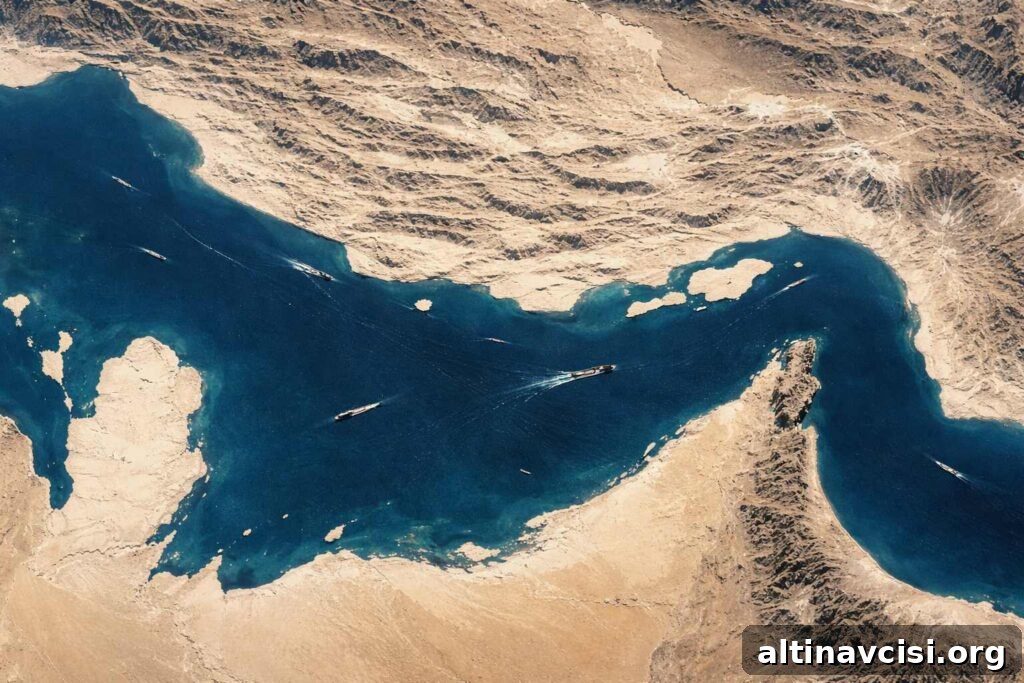
The Strait of Hormuz narrows to about 21 nautical miles at its tightest point—roughly the distance from Midtown Manhattan to JFK Airport. Prior to late February, roughly 138 vessels crossed the strait daily; today that number is closer to two. The disruption is enormous.
About 20 million barrels of oil per day—roughly 25% of seaborne crude trade—passed through the Strait in 2025, and it carried nearly 20% of global liquefied natural gas. There are no realistic alternate sea routes for much of that gas. Emergency responses have been substantial but insufficient: the IEA authorized a historic 400-million-barrel release, and Saudi Arabia’s alternate bypass can load only about 3 million barrels per day compared with the roughly 6 million barrels it previously moved through the strait. The shortfall matters.
It’s also worth noting the practical reason traffic stopped: war-risk insurers withdrew coverage. Without insurance, most shipowners will not send vessels through the corridor, regardless of naval escorts or military measures.
Blank Check for Iran War
Washington has signaled that cost will not be the primary constraint on military decisions. U.S. Treasury leadership has said there is no price tag that would make a conflict with Iran unaffordable when national security is at stake. Markets are still absorbing the implications: sustained oil above $100 raises transportation and production costs across the economy and gives inflation a fresh tailwind.
The fiscal picture complicates matters. The U.S. entered the crisis with sizable deficits and rising interest costs; interest payments on federal debt recently surpassed defense spending. A prolonged conflict with an undefined endpoint would add further fiscal pressure and likely keep inflation and borrowing costs elevated.
Historically, extended military commitments, expanding obligations, and currency dilution have been factors that strain an economy over time. More fiscal strain, stickier inflation, and limited Fed room to maneuver are typically environments where hard assets—particularly gold—have performed well.
The Fed’s Impossible Math
Before February 28, the path for the Fed looked relatively straightforward: a slowing economy and cooling inflation suggested room for rate cuts in 2026. The oil shock changed that calculus. The conflict has created a familiar but difficult mix—rising energy costs and weakening growth simultaneously—leaving policymakers with no easy choices.
If the Fed cuts rates to support growth, it risks amplifying inflationary pressure from higher energy costs. If it holds or tightens to contain inflation, it risks deepening the economic slowdown. Recent data underscore the dilemma: Q4 growth slowed sharply from the prior quarter, and early readings of consumer sentiment suggest households are already feeling higher fuel costs.
That trade-off is central to watch. The Iran war’s effect on oil and gold is colliding with a Fed faced with limited good options. Historically, periods of stagflation—slower growth, persistent inflation, and constrained policy response—have been favorable for gold, which suggests the metal’s current behavior may be a temporary deviation from a longer-term pattern.
Stay On Top of Gold & Silver Prices
Get important market alerts sent straight to your inbox.
You May Also Like
- Gold Price Rises as Iran War Escalates
- February 2026 CPI Report Shows Inflation Calm Before Oil Shock Hits
- Ray Dalio Says Gold Is Still “The Safest Money”
- The CPI Report and Gold: Why Inflation Data Moves the Metal
- Gold Price Today: Why This Week’s News May Be Bullish for Gold