Daily News Nuggets | Today’s top stories for gold and silver investors
September 17th, 2025
Gold Pauses After Record Surge Ahead of Fed Decision
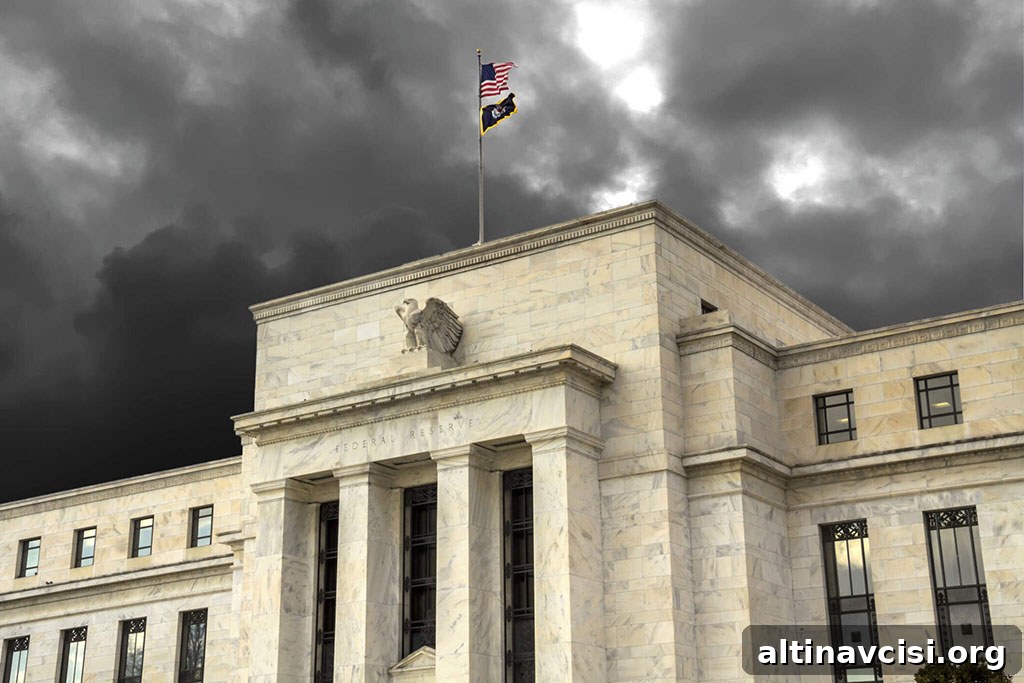
Spot gold eased about 0.7% to $3,663 per ounce today, pulling back from Tuesday’s record high of $3,703. The retreat reflects investor caution ahead of the Federal Reserve’s rate decision later today, with markets pricing in the possibility of the Fed’s first rate cut since 2020.
Wall Street largely expects a quarter-point cut as economic growth cools while inflation remains elevated. A dovish Fed would likely lift gold further, while an unexpected hold could lead to a sharper correction. With real interest rates still negative, any shift toward easier policy strengthens gold’s role as a store of value and safe-haven asset.
At the same time, the Fed faces political and structural pressures that complicate its policy path.
Trump vs. The Fed: Political Pressure Threatens Central Bank Independence
President Trump has intensified criticism of the Federal Reserve and suggested he would remove governors who disagree with his policy views if given another term. Those remarks come even after a recent D.C. Circuit Court decision reaffirmed that presidents cannot dismiss Fed officials over policy disputes.
Political interference or even the perception of it can create considerable market uncertainty. Historical episodes, such as the high-inflation environment of the 1970s, show that challenges to central bank independence often drive investors toward gold. As confidence in monetary institutions wavers, assets without counterparty risk become more attractive, potentially fueling further gains in the gold market.
Inflation: The Numbers Say 3% — Your Grocery Bill Says Otherwise
While policymakers discuss headline inflation trends, many households feel higher costs every time they shop. Official measures may show inflation moderating to around 3%, but price increases for everyday items remain significant. In 2025, key food categories have seen notable jumps:
- Coffee prices are up roughly 20.9% year-over-year.
- Beef prices have risen significantly — steak up about 16.6%, beef roasts around 13.6%, and ground beef nearly 13%.
- Eggs are higher by roughly 10.9%.
- Oranges and related products have climbed roughly 5–6%.
These staples matter to working families. When essential goods outpace wage growth, real purchasing power erodes and households feel the squeeze. That dynamic helps explain why investors turn to gold as a long-term hedge: it preserves value when fiat currencies lose purchasing power.
Hong Kong Rebuilds Its Gold Hub, Invites China to Center Stage
Hong Kong is moving to strengthen its role in the global gold market by introducing tax incentives, upgrading clearing and settlement systems, and enhancing links with mainland China’s sizable bullion market. These steps aim to make the city a major regional trading center for physical gold and related financial products.
The effort coincides with a broader regional shift: several Asian economies are emphasizing physical gold ownership as part of financial strategy and sovereignty. Increased demand from the region for allocated, physical metal could support sustained buying and underpin prices over the medium term.
Another Banking Giant Goes Bullish: Deutsche Bank Sees $4,000 Gold
Deutsche Bank has joined other major institutions in raising its gold outlook, forecasting prices could reach $4,000 by late 2026. This view echoes forecasts from Goldman Sachs, Bank of America, and UBS, driven by falling real rates, persistent inflation, geopolitical risks, and continued central bank purchases.
The broader shift among big financial firms away from skepticism toward gold is notable. When major banks revise their stances, market sentiment can change rapidly — and that shift can be as influential as traditional supply-and-demand factors.