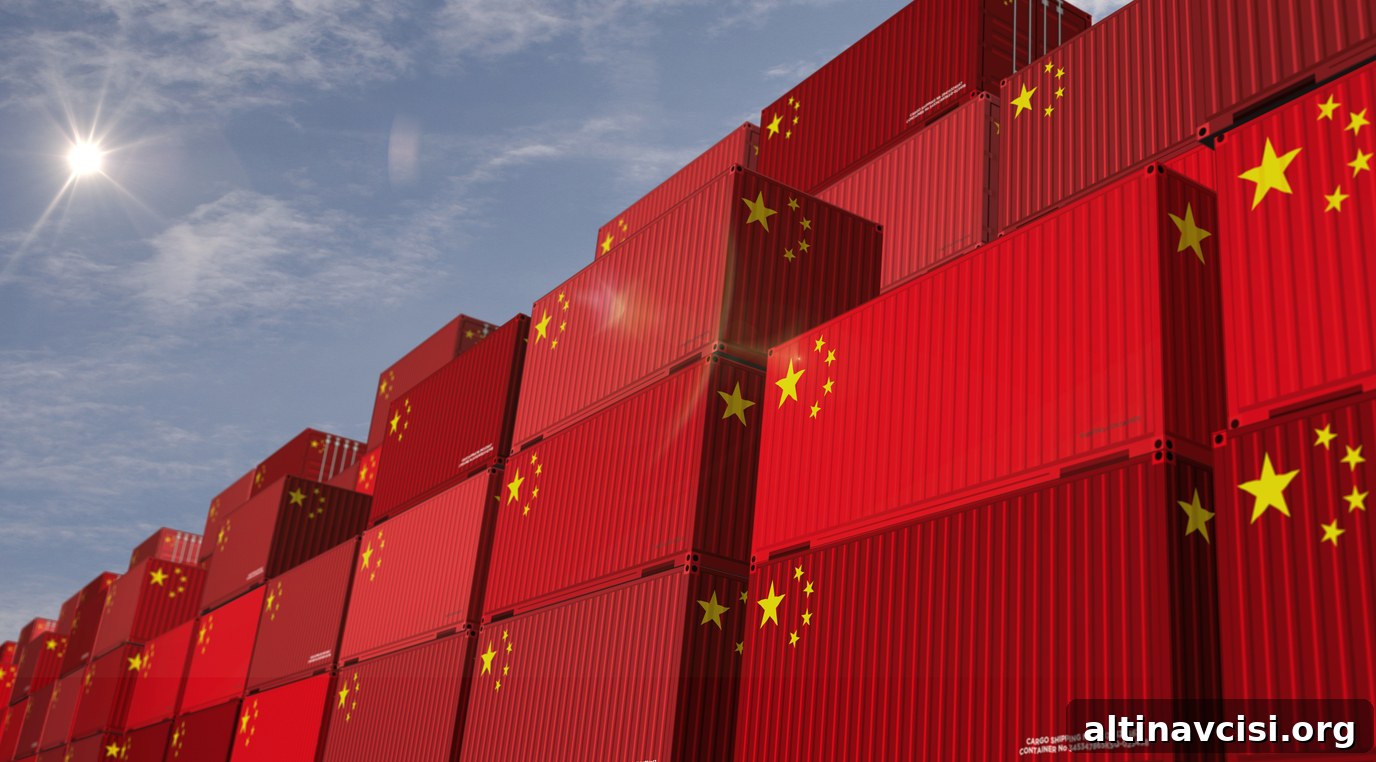
China’s exports of rare-earth magnets fell sharply in May, dropping by more than 50% from April levels and reaching their lowest monthly total in over five years.
The plunge follows new export controls Beijing introduced in April on a range of rare-earth materials and finished magnets. Those measures tightened licensing and documentation requirements, and have already reduced the volume of shipments leaving China.
China is the dominant supplier in the rare-earth magnet market, accounting for more than 90% of global production. The export curbs have reverberated across multiple industries that rely on these magnets, including electric vehicles, aerospace, semiconductor manufacturing, renewable energy systems, and defense applications.
Even after recent U.S.-China trade discussions, which Beijing says will lead to faster approvals for some exports, customs authorities are reportedly proceeding cautiously. That cautious stance has slowed processing times and left international buyers facing uncertainty about lead times, costs, and the reliability of their supply chains.
Industry sources say the sudden drop in shipments is prompting manufacturers to explore alternative suppliers, increase inventories where possible, and redesign products to reduce dependence on specific rare-earth grades. However, establishing new production outside China or qualifying alternative suppliers can take months or years, and may involve higher costs.
Market analysts warn that continued restrictions could push up prices for key magnet materials and components, encourage investment in rare-earth mining and processing outside China, and accelerate research into substitute materials and magnetless motor designs. For now, businesses that depend on rare-earth magnets are monitoring approval timelines and seeking greater supply-chain transparency to manage near-term risks.