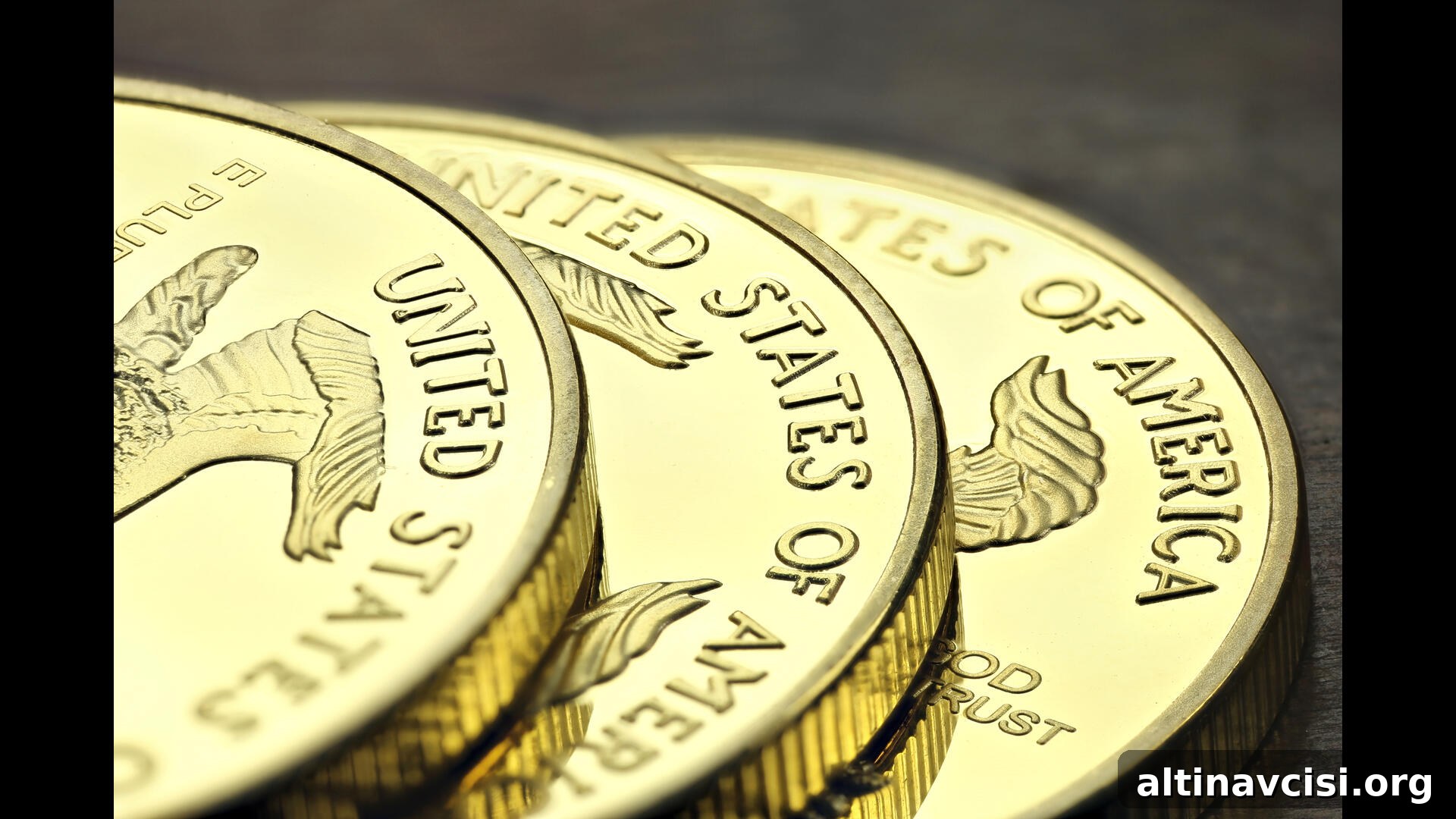
Gold rose modestly on Wednesday as a softer U.S. dollar and renewed trade tensions supported the metal. Investors are focused on upcoming U.S. producer price index (PPI) data, which could influence the Federal Reserve’s interest rate outlook and market expectations. Despite higher inflation and recent tariff developments — including a new 19% duty on some Indonesian imports — gold has repeatedly encountered resistance near $3,400 per ounce.
Market analysts expect the current consolidation may prove temporary. For example, ANZ projects that gold could rise toward $3,600 per ounce by the end of 2025 if inflation remains elevated and safe-haven demand persists. In the near term, traders will watch economic data and central bank commentary for clues on the path of rates and the dollar, both key drivers for bullion prices.
Silver also advanced, gaining about 0.6% to $37.93 an ounce. The metal continues to outperform as strong industrial demand and constrained supply support prices. Silver’s dual role as both an industrial commodity and a precious metal makes it sensitive to shifts in manufacturing activity as well as investment flows.
Factors to watch that could influence precious metals include incoming U.S. inflation and employment reports, shifts in real interest rates, currency movements, and any further trade policy announcements. Geopolitical tensions or unexpected policy moves can also spur demand for safe-haven assets like gold and silver. Traders and investors will likely remain cautious until clearer signals emerge from economic releases and central bank guidance.
Overall, the market outlook balances potential upside from persistent inflation and trade uncertainty against resistance around current price levels and the influence of monetary policy expectations. Continued monitoring of data and policy statements will be essential for assessing whether gold and silver can sustain their recent gains and break through established resistance zones.