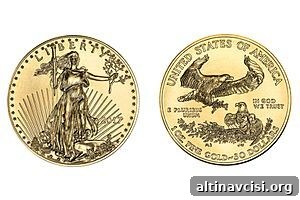
There’s a unique satisfaction to holding a gold coin. Beyond the aesthetics, owning physical gold provides benefits other investments do not. Gold acts as a natural hedge against stock market volatility and is an effective way to diversify your portfolio.
This article outlines practical guidance for buying gold coins: the advantages of ownership, which coins are best, where to buy them (including online and offline options), and how to avoid scams. Follow these straightforward guidelines and you’ll be well on your way to owning one of humanity’s oldest and most durable assets.
Common questions this guide addresses include:
- Why buy gold coins?
- How and where should you buy?
- Which gold coins are best?
- Should you invest in numismatic (rare) coins?
- What are the most popular gold coins?
- Can you buy gold coins from a bank?
- What’s the best place to buy and can you trust online dealers?
Let’s begin with the many reasons investors choose gold coins.
Why Buy Gold Coins
Gold brings more to a portfolio than potential price appreciation. Consider the key advantages of holding gold coins:
• A tangible asset you can hold and store securely. Unlike most investments, gold coins are physically present and durable.
• Free of counterparty risk. Physical gold does not rely on a contract, bank, or issuer to have value.
• Highly liquid. Gold coins can be sold worldwide through dealers and buyers, and demand tends to increase in crises.
• Value dense. Large amounts of wealth can fit in a small space, making storage and transport efficient.
• Private and confidential. While gains are taxable, ownership offers more privacy than many other asset types.
• Portable. Gold coins are easy to move and transport internationally.
• A long-term store of value. Gold has preserved purchasing power over centuries, making it suitable for wealth transfer to heirs.
Gold’s role is not to produce income but to serve as money and a store of value. Unlike consumable commodities, gold endures rather than being used up—so think of it as money.
• Immune to digital attacks. Physical gold cannot be hacked or erased.
• No specialized expertise required. Buying bullion is straightforward compared with evaluating rare collectibles.
• Low maintenance and carrying costs. Even with secure storage fees, holding gold typically involves fewer hassles than real estate or some other assets.
Types of Gold Coins: Bullion vs. Numismatic
Gold coins fall into two main categories: standard bullion coins and numismatic (rare or collectible) coins.
Bullion coins are primarily valued for their precious metal content. They tend to be highly refined and are viewed as investment vehicles. Some bullion coins include an alloy to increase durability. Most bullion coins are produced by government mints—often called sovereign coins—and are backed by a government guarantee. Sovereign coins usually display a face value as legal tender, but the gold content far exceeds that denomination.
Private mints produce rounds, which are similar to bullion but lack government backing and a face value. Rounds can be high quality but are generally less desirable than sovereign coins.
Numismatic coins are rare and collectible. Their value depends on rarity, condition, and collector demand, not just gold content. Premiums can be substantial, sometimes hundreds or thousands of dollars above melt value.
• Rule of thumb: Unless you intend to become a coin collector, avoid numismatic coins due to higher premiums and the specialized knowledge required.
Dealers may promote numismatics because commissions are larger. Unless you want to collect, stick to bullion for investment purposes. Proof coins and “semi-numismatic” issues target collectors and typically carry higher markups. If you do choose collector coins, educate yourself first.
|
You may see the term “BU,” which stands for “Brilliant Uncirculated” and indicates an unused, mint-new coin. New-issue coins are BU; older coins can also be BU if they were never circulated. BU coins are plentiful and preferred for investment. |
Liquidity matters. Choose coins that are easy to sell and widely recognized to avoid delays, steep discounts, or a limited buyer pool. This is another reason to favor sovereign bullion over rare coins.
• All investors should start with sovereign gold coins for liquidity and recognizability.
Most Popular Gold Coins
The most widely traded sovereign gold coins include these six common one-ounce coins. They are well-known internationally and generally easy to buy and sell.
One Ounce American Gold Eagle
Purity .9167 (22-karat)
$50 face value
Backed by: United States government
Also available in fractional sizes
Special Note: Among the most popular gold coins globally
One Ounce Canadian Maple Leaf
Purity .9999; $50 Canadian face value
Backed by: Commonwealth of Canada
Also available in fractional sizes
Special Note: Advanced security features from the Royal Canadian Mint
One Ounce Austrian Philharmonic
Purity .9999
Backed by: Republic of Austria
Also available in fractional sizes
Special Note: Previously one of the world’s top selling coins
One Ounce Australian Kangaroo
Purity .9999; $100 Australian face value
Backed by: Australian government
Also available in fractional sizes
Special Note: Annual reverse design changes from the Perth Mint
One Ounce South African Krugerrand
Purity .9167 (22-karat)
No face value
Backed by: Government of South Africa
Also available in fractional sizes
Special Note: Oldest modern bullion coin
One Ounce American Gold Buffalo
Purity .9999; $50 face value
Backed by: United States government
Special Note: Introduced in 2006 with higher purity than the Eagle
For many investors, one-ounce sovereign bullion coins are a practical starting point. Fractional coins carry higher premiums per ounce, so one-ounce pieces generally offer better value, though fractional sizes are perfectly acceptable if budget is a constraint.
These common coins form a reliable foundation for your bullion holdings and provide liquidity for you or your heirs when it’s time to sell.
Where to Buy Gold Coins
Most purchases happen at local coin shops or through online dealers. Each option has pros and cons.
Local Coin Dealers
A local dealer can be a good resource, especially for building a relationship for future quick sales. Ask whether they’ll negotiate price and confirm they source products from reputable distributors. Local dealers can be located through mint dealer locators or simple web searches for coin dealers in your area. In some regions, banks sell coins directly—more common in Europe and Asia than in the United States.
Online Dealers
Online dealers often offer more competitive pricing due to lower overhead. The main risk is paying up front and trusting delivery, which reputable dealers mitigate through clear policies and reputations. Look for transparency in product pricing, shipping, insurance, and delivery timeframes. The best online dealers show prices and fees clearly and publish delivery windows.
How to Choose a Good Dealer
Compare product prices among multiple dealers. Price matters, but also consider:
• Payment options: bank wire, credit card, cash, checks, and digital methods increase flexibility.
• Total costs: include commissions, shipping, insurance, and payment fees.
• Company size and volume: larger dealers can handle bigger orders and provide consistent liquidity.
• Customer service and transparency: educational, non-pushy dealers are preferable.
• Buyback policy: dealers willing to repurchase the products they sell offer additional confidence.
Other sales channels to be cautious about:
TV Dealers
TV dealers often carry higher prices due to advertising and may promote collector coins or require minimum purchases. They may also offer expensive payment plans. Exercise caution when dealing with televised offers.
eBay
eBay can be convenient, but buying from private sellers raises risk. Until you have experience identifying genuine coins and evaluating fair prices, eBay is not the best place for beginners to source bullion.
Coin Shows
Coin shows tend to focus on collectibles rather than common bullion, and availability of one-ounce bullion can be limited. Shows are less convenient for novice bullion buyers.
Banks
In some countries banks sell gold coins, but availability varies by region. In the U.S., bank branches typically do not sell bullion, so private distributors and authorized dealers handle most retail sales.
Avoid Getting Ripped Off
The best defense against fraud is to use reputable dealers who source product from authorized distributors and government mints. Do your due diligence so you have trusted sources for future purchases.
Check company reputation through consumer review sites and industry references. Confirm all costs up front, including commissions, shipping, insurance, and payment fees. Prefer dealers with transparent pricing, clear delivery timelines, and a buyback policy.
Finally, take action: buy a starter position of common sovereign bullion, hold it securely, and build from there. Physical gold provides a tangible asset that can endure for generations and act as an insurance hedge for your portfolio.