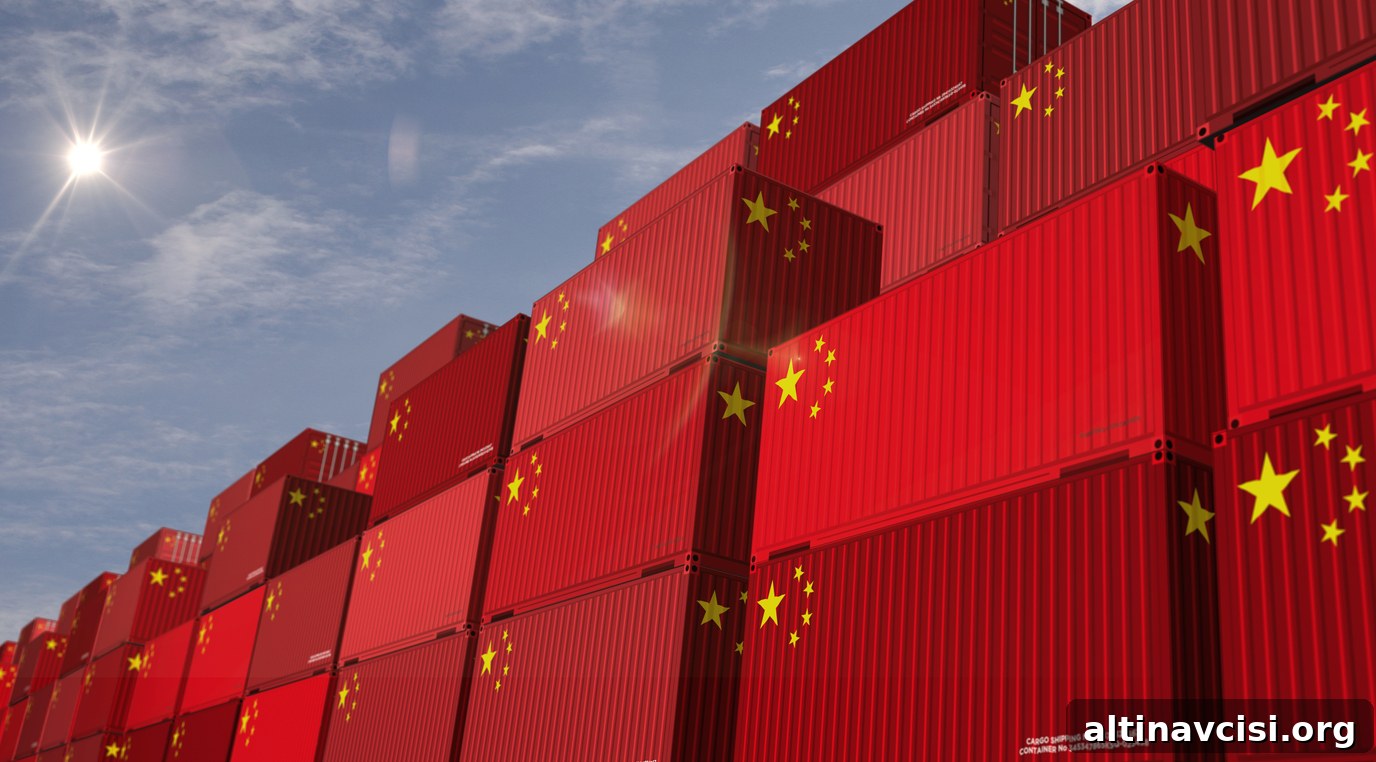
President Trump announced a new, wide-ranging tariff policy that combines a universal 10% tax on all imported goods with additional “reciprocal” charges aimed at specific trading partners.
Under the plan, China would face the largest combined rate: a newly imposed 34% levy added to an existing 20% duty, bringing the total to 54%. The European Union would face a total tariff of 20%, while Japan would be subject to 24%. The administration framed these measures as roughly half of the tariffs those trading partners impose on U.S. exports.
The uniform 10% tariff is scheduled to take effect on Saturday at 12:01 a.m. Eastern, with the partner-specific reciprocal tariffs beginning on April 9. Imports that meet the terms of the US-Mexico-Canada Agreement will continue to receive preferential treatment under that trade deal.
These measures arrive alongside other recent trade restrictions, including a 25% duty on certain foreign-made cars and some auto parts. Supporters of the policy argue the tariffs will strengthen American manufacturing, protect domestic jobs, and correct perceived imbalances in trade relationships.
Economists and consumer advocates, however, caution that higher import taxes can raise costs for businesses and consumers alike. Increased tariffs often translate into higher retail prices for imported goods and for products that rely on imported components, potentially contributing to inflation. That concern is heightened at a time when many households are already facing elevated living costs.
Businesses that depend on global supply chains may need time to adjust. Companies could respond by seeking alternative suppliers, absorbing some cost increases, or passing additional expenses on to consumers. The varied impact of the tariffs will likely depend on industry, firm size, and the degree of reliance on affected imports.
Policy debates now center on the balance between protecting domestic industries and minimizing price pressures for consumers. Proponents emphasize job preservation and national economic resilience, while critics stress the risk of retaliatory measures from trading partners and the potential for higher inflation to erode household purchasing power.
As the new tariffs come into force, markets, manufacturers, and policymakers will monitor how trading partners respond and how quickly businesses adapt to the changed cost environment. The policy shift represents a significant recalibration of U.S. trade strategy with immediate implications for importers, exporters, and consumers.