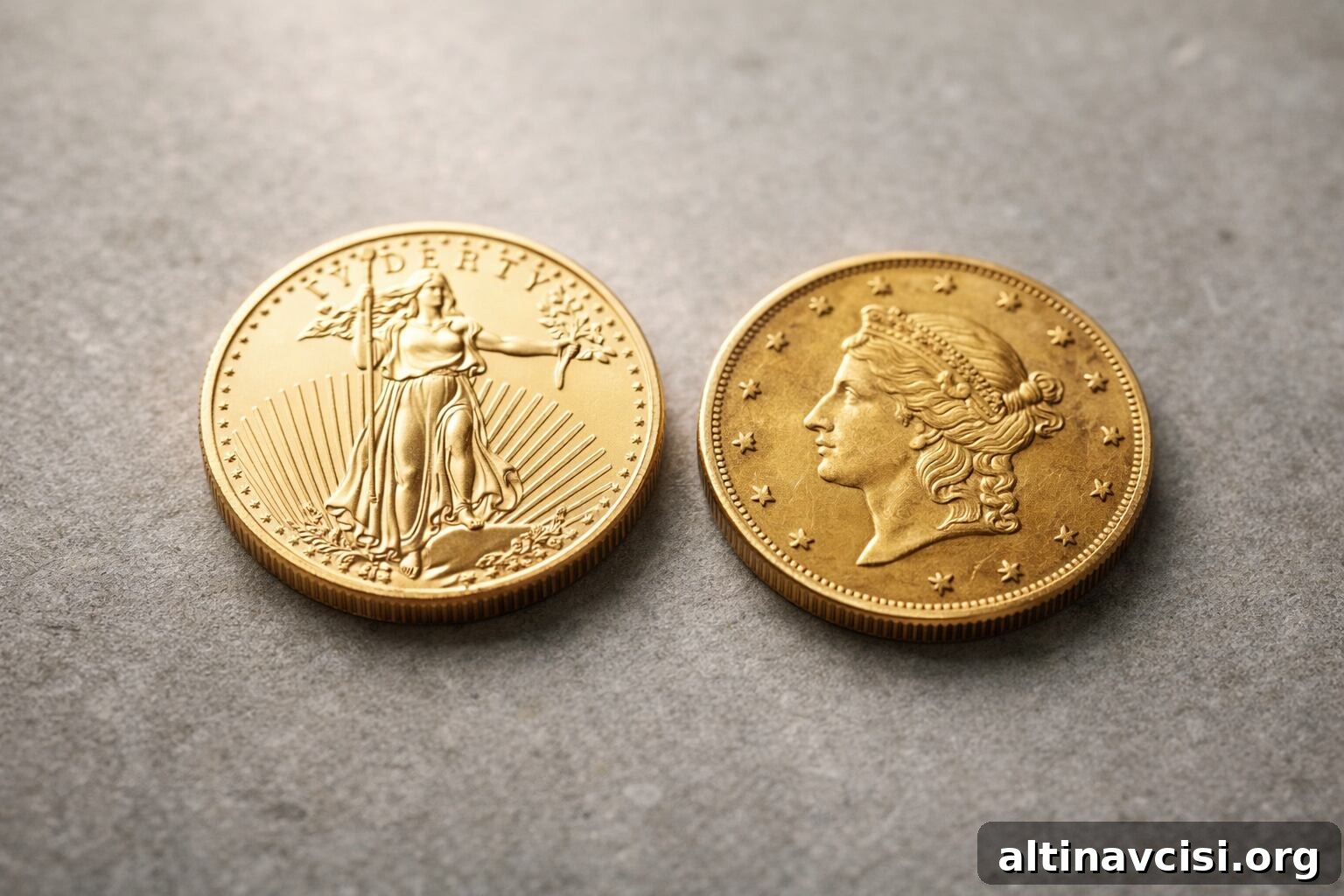
Most people who buy physical gold or silver are investors, not coin collectors. That matters because the market offers two distinct products: bullion coins and numismatic coins. Confusing them can be costly.
Bullion coins are valued for their metal content. Numismatic coins are valued for rarity, history, condition, and collector demand. Both contain real gold or silver, but they behave and price differently and serve different goals.
What Is a Bullion Coin?
A bullion coin’s value closely follows the live spot price of gold or silver. Examples include the American Gold Eagle, Canadian Maple Leaf, and South African Krugerrand — all government-minted and widely recognized, with pricing driven primarily by metal content.
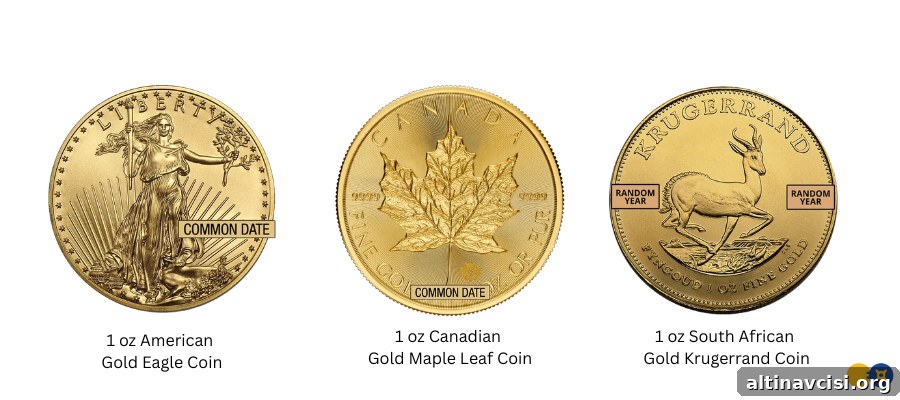
Because sovereign mints produce these coins in large quantities, bullion trades in liquid, transparent markets. Dealers buy and sell them daily with predictable spreads, so you generally know what your holdings are worth.
Under typical conditions, standard 1 oz gold bullion coins from major mints carry premiums of roughly 3–8% over spot. Gold bars often have lower premiums, sometimes 1–3% over spot. Fractional coins (1/10 oz, 1/4 oz, etc.) tend to carry higher percentage premiums — often 15–20% or more — because minting costs are spread over less metal. Silver bullion follows the same pattern; premiums are higher as a percentage because silver’s per-ounce price is lower.
What Is a Numismatic Coin?
Numismatic coins derive value from more than metal. Rarity, condition, provenance, historical significance, and collector demand create an additional premium above melt value. That numismatic premium can be substantial for scarce, high-grade pieces.
For example, a certified pre-1933 $20 Saint-Gaudens Double Eagle in top grade can command premiums far above melt value — sometimes many tens of percent. More common semi-numismatic coins, like circulated pre-1965 U.S. silver, usually trade at modest premiums over spot, but demand spikes can push those premiums higher.
Numismatic premiums fluctuate. In precious-metals bull markets, collector premiums often compress as many buyers focus purely on metal content. The same coin can carry a large collector premium in one market environment and a much smaller one in another.
How Does Coin Grading Work?
Numismatic coins are graded on a 1–70 scale by independent services such as PCGS and NGC. Grade has a dramatic impact on value: small grade differences can produce large price swings for the same coin. High-grade examples of key dates often command disproportionate premiums.
Getting coins graded carries costs and time. Economy grading submissions for lower-value pieces start around $20–$25 per coin, while faster services can run $70–$150 or more, excluding shipping and membership fees. Fees apply whether a coin’s grade changes or not, so grading is an investment with no guaranteed return.
For investors without numismatic expertise, grading expenses and the complexity of the market add significant overhead in money, time, and risk.
What Happened in 1971?
The guide that explains the moment our financial system changed.
Bullion vs. Numismatics: How Do They Compare?
Price transparency. Bullion prices update in real time with spot markets. Numismatic values depend on grading, auction results, and collector demand, none of which are tracked on a live ticker.
Liquidity. Bullion trades widely and quickly. Selling a standard bullion coin to a dealer typically yields spot minus a spread of about 1–3%. Total round-trip costs (buy premium plus sell spread) for 1 oz sovereign coins usually run 5–9%. Numismatic coins require finding qualified buyers, and bids can fall sharply in weak collector markets.
Expertise required. Owning bullion mainly requires tracking spot prices. Owning numismatics requires knowledge of grading, population reports, provenance, and dealer reliability — effectively a second education for investors focused on metal.
Performance. Bullion follows metal markets predictably and transparently. Numismatics can diverge: collector demand can drive prices above spot, but premiums can compress when collectors step back or when metals rallies draw buyers toward pure metal content. Key-date rarities have historically preserved collector premiums over time; common-date pieces do not guarantee that outcome.
Why Focus on Bullion?
If your goal is to own metal rather than speculate on collector tastes, bullion is the straightforward choice. It gives a direct claim on the underlying asset, with transparent pricing and global liquidity. When you need cash, you can convert without waiting for a specialized buyer or auction result.
Numismatic coins can reward knowledgeable collectors who enjoy history and the hunt. But for investors prioritizing wealth protection or inflation hedging, an unpredictable collector premium introduces an unnecessary variable between you and the metal you own.
How Should You Build a Bullion Strategy?
Begin with widely recognized 1 oz sovereign coins. American Gold Eagles and Canadian Maple Leafs provide deep liquidity and straightforward resale. Add fractional coins — 1/2 oz, 1/4 oz, 1/10 oz — for flexibility at different price levels, knowing their per-ounce premiums are higher. Dollar-cost averaging helps smooth both spot price and premium fluctuations over time.
Keep it simple: own the metal, understand what you paid for it, and align your purchases with liquidity and resale goals.
Stay On Top of Gold & Silver Prices
Get important market alerts sent straight to your inbox.
People Also Ask
What is the difference between bullion coins and numismatic coins?
Bullion coins are priced mainly for their precious metal content and closely track spot prices. Numismatic coins include additional value for rarity, history, condition, and collector interest. That extra premium can help or hurt you depending on market conditions and when you sell.
Are numismatic coins a good investment?
Numismatic coins can appreciate substantially, but their value is driven by factors beyond metal prices: collector demand, grading, and market timing. Key-date rarities often hold premiums long term, while common-date coins offer no guarantee. For investors focused on wealth protection or hedging, the unpredictability of collector premiums is a material risk.
How much over spot should I pay for gold bullion coins?
Standard 1 oz gold bullion coins from major sovereign mints usually carry premiums of about 3–8% over spot in normal conditions. Gold bars often run 1–3% over spot; fractional coins frequently show premiums of 15–20% or more. Including dealer buy-back spreads, the total round-trip cost for standard 1 oz coins typically falls in the 5–9% range.
What does it cost to get a coin professionally graded?
Economy grading submissions at major services start around $20–$25 per coin for lower-value pieces. Faster services can cost $70–$150 or more, plus shipping and membership fees. Fees apply regardless of whether the grade changes, so grading is an expense with no assured return.
Which gold coins are the easiest to sell?
The most liquid gold coins are widely recognized sovereign bullion issues such as the American Gold Eagle, Canadian Maple Leaf, and South African Krugerrand. Dealers worldwide accept them and typically pay spot minus a dealer spread of about 1–3%. Less common or numismatic coins often require specialized buyers and may take longer to sell at a fair price.
SOURCES
Sources referenced in the original article informed this summary and include industry commentary on premiums, numismatic valuation, and grading costs.
This article is for informational purposes only and does not constitute financial or investment advice. Consult a qualified financial advisor before making investment decisions.
You May Also Like:
- Silver in AI Infrastructure: The Hidden Metal Behind Every AI Model
- Gold Price Forecasts for 2026, Revisited After Q1
- How to Read the Gold-Silver Ratio — And What to Do About It
- Gold ETFs Are Booming. But Do You Actually Own Gold?
- Silver Demand by Sector: Industry, Jewelry & Investment
- Small Market, Big Swings: Why Silver Is More Volatile Than Gold
- How to Roll Over Your 401(k) Into a Gold IRA