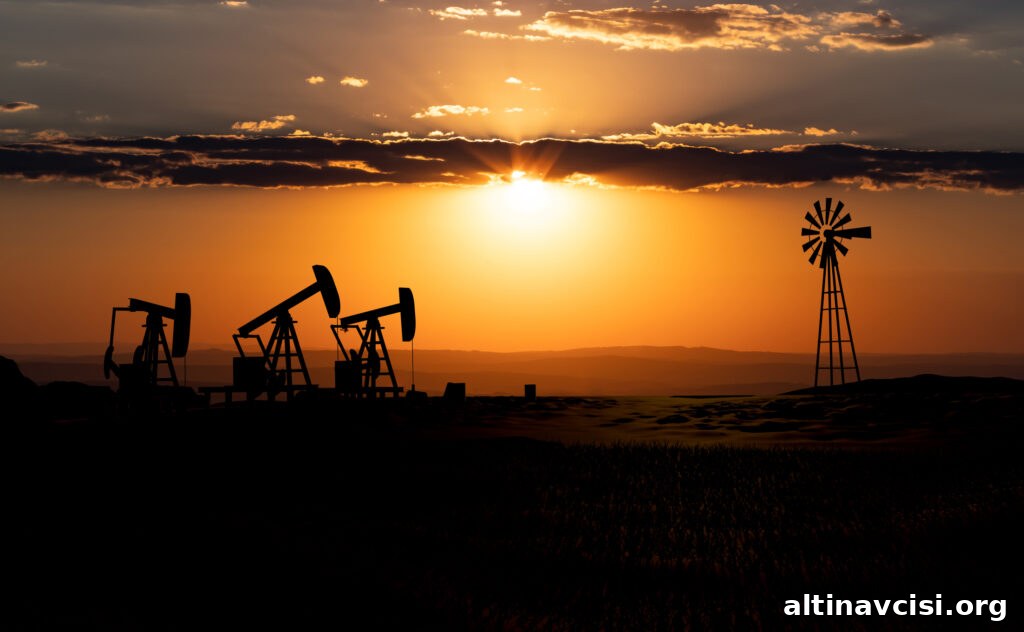
In one of his final actions before leaving office, President Biden approved the most extensive sanctions to date against Russia’s oil sector, a move that could disrupt global oil markets more than previous Western measures. The restrictions reach across multiple parts of Russia’s export chain, targeting roughly 160 tankers (about doubling the number already under sanctions), two major producers that together account for nearly 30% of Russia’s seaborne exports, and critical pieces of infrastructure such as specialized Arctic shuttle tankers.
These U.S. measures are notable because American sanctions have historically had stronger effects than comparable EU or UK steps. Prior U.S. actions show that restrictions can rapidly alter trade flows: after earlier sanctions, 33 of 39 targeted tankers stopped carrying Russian cargoes. By expanding the list of sanctioned vessels and infrastructure, the latest measures could remove or dissuade a substantial portion of Russia’s seaborne oil capacity from normal market channels.
Analysts estimate the new restrictions could affect close to 970,000 barrels per day of seaborne oil shipments. That scale of impact would be meaningful for world markets, especially if major buyers comply. Early signs suggest India is aligning with the new measures, which would reduce a significant destination for Russian crude. China’s response will be important as well: enforcement and logistical complications could limit Chinese imports of sanctioned shipments, but historical patterns and commercial incentives leave some uncertainty about full compliance.
The sanctions specifically identify elements that are difficult to substitute quickly. Arctic shuttle tankers, for example, are purpose-built to move oil in icy conditions and are not easily replaced by standard tankers. Disrupting access to these vessels can therefore create bottlenecks that ripple through Russia’s northern export routes. Similarly, sanctioning two large producers that account for a sizable share of seaborne exports constrains volumes available for export unless alternative arrangements are made.
How persistent and effective these measures will be in the long term depends on enforcement and follow-through. Sanctions reduce options for sanctioned actors only if banks, shipping companies, insurers and port operators uphold the restrictions. U.S. sanctions rely in part on the global reach of the dollar-based financial system and on secondary effects that discourage third parties from dealing with sanctioned entities. If these deterrents remain actively enforced, the measures can maintain pressure over time.
However, future enforcement under the incoming administration could change the outcome. Sanctions effectiveness often hinges on consistent application and the willingness of authorities to pursue violations. A shift in U.S. policy or in international coordination could open pathways for sanctioned oil to find buyers through intermediaries or via creative logistics. Even so, the immediate scope of the measures—particularly the enlarged tanker list and the targeting of unique Arctic infrastructure—creates tangible near-term disruption risk for Russian seaborne exports.
For global markets, the sanctions introduce new uncertainty about supply flows and insurance and shipping costs tied to Russian crude. Traders and refiners will be watching how buyers and service providers respond, whether cargoes are rerouted, sold at steep discounts, or sidelined. The combined effect of the expanded sanctions and early compliance by important buyers may reshape short-term trade patterns and influence prices until alternative arrangements or enforcement shifts occur.
In summary, the late-term U.S. sanctions on Russia’s oil industry represent a broad and potentially disruptive intervention: an expanded ship list, the inclusion of major producers, and the targeting of specialized Arctic tankers raise the likelihood of meaningful impacts on seaborne export volumes. The ultimate reach of these measures will depend on enforcement, international cooperation, and how commercial actors adapt to new constraints.