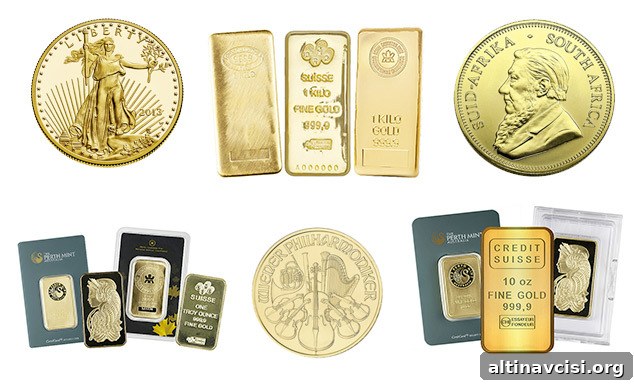
Gold is a reliable long-term hedge, but first-time buyers often wonder which form of gold is best. This concise guide explains the main types of gold investments and the factors to consider so you can choose the option that aligns with your goals.
Gold Coins
Gold bullion coins are a tangible, widely recognized way to own investment-grade gold. These are not rare or collectible coins with unpredictable premiums, but modern coins produced by reputable mints that offer consistent quality, purity and liquidity.
Most bullion coins closely follow the spot price of gold and are highly marketable worldwide, making them easy to sell when necessary. They also offer the added appeal of attractive designs and trusted minting standards.
Gold Bars
Gold bars have served as a store of value for centuries. They are available in a wide range of weights, making them accessible to investors with different budgets.
Bars typically carry lower premiums than coins, which is one reason central banks, exchanges and large institutions favor them. Their shape and packaging make them efficient to store, a benefit that extends to individual investors seeking to maximize ounces for a given amount of capital.
Gold Rounds
Gold rounds resemble coins in appearance but are produced by private mints rather than sovereign authorities. Because of this, they often have lower premiums while still tracking the spot price when they maintain investment-grade purity (typically .999 or higher).
Rounds do not have legal tender face value, so the reputation of the producing mint matters. When choosing rounds, evaluate the mint’s quality standards, purity and liquidity—established private mints generally meet these criteria.
Gold Stocks
Buying gold stocks is not the same as owning physical gold. A gold stock represents ownership in a mining company involved in exploration or production of precious metals, and it behaves like any other equity with company-specific risks and market volatility.
Investing in miners does not give you physical possession of gold; you hold shares in a business rather than an asset you can touch. For those focused on speculation or leverage to gold prices, mining stocks may be appropriate, but many investors prefer to establish a position in physical metal before adding miner exposure.
What Type of Gold Is Best for Investment?
The best form of gold depends on your objectives, risk tolerance and investment horizon. Each option—coins, bars, rounds or stocks—has advantages and trade-offs. Consider the following factors when choosing which type to buy.
Convenience of Gold
One of gold’s major benefits is liquidity: converting gold into cash is generally straightforward compared with selling real estate or a business. In many cases, selling gold is similar to selling stocks in terms of speed and ease.
Storage is a key decision that affects both security and how you will sell. Home safes can handle smaller bars and coins, but for larger holdings consider professional custodial storage or depositories designed for precious metals.
Cost of Gold
The total cost of purchasing gold depends on the spot price plus the product’s premium. Premiums reflect minting, distribution and dealer fees and will vary by product and market demand.
Gold bullion is generally intended as a long-term holding. Historical research suggests that portfolios including gold can exhibit diversification benefits over time. When buying, prefer reputable dealers who provide clear pricing and investor education—cheap listings alone can be a red flag.
Compare premiums and fees among companies to understand market standards. Excessively low or high prices relative to the market may indicate potential scams or poor service.
Spot vs. Premium
The spot price represents the current market price of gold on global exchanges and is the baseline used by all dealers. Purchases in other currencies reflect a conversion from the US dollar spot price.
The premium covers the additional cost charged by mints, distributors and dealers. Premiums differ across products and sellers, so factor them into your decision.
Timing and Market Activity
Gold exhibits some seasonal and cyclical patterns. Historically, certain months have tended to offer slightly lower average prices, but these are averages, not guarantees. Buying during market dips or corrections can help lower your cost basis over time.
Rely on a long-term plan rather than timing the market precisely. Regular, disciplined purchases can smooth out price fluctuations and reduce timing risk.
How to Buy Gold
When buying gold, choose a seller with a strong track record and positive customer feedback. Look for transparent pricing, clear certification of purity and secure shipping or storage options. If you plan to use professional storage, confirm the facility’s insurance and security measures.
When to Sell Gold
Selling requires the same care you applied when buying. Select a buyer with a reputation for fair buyback pricing and smooth transactions. Evaluate offers and understand any fees or policies that affect your net proceeds.
Decide on your sale strategy in advance—whether you intend to sell gradually, during market rallies, or when specific financial goals are met—and document your plan to avoid emotion-driven decisions.