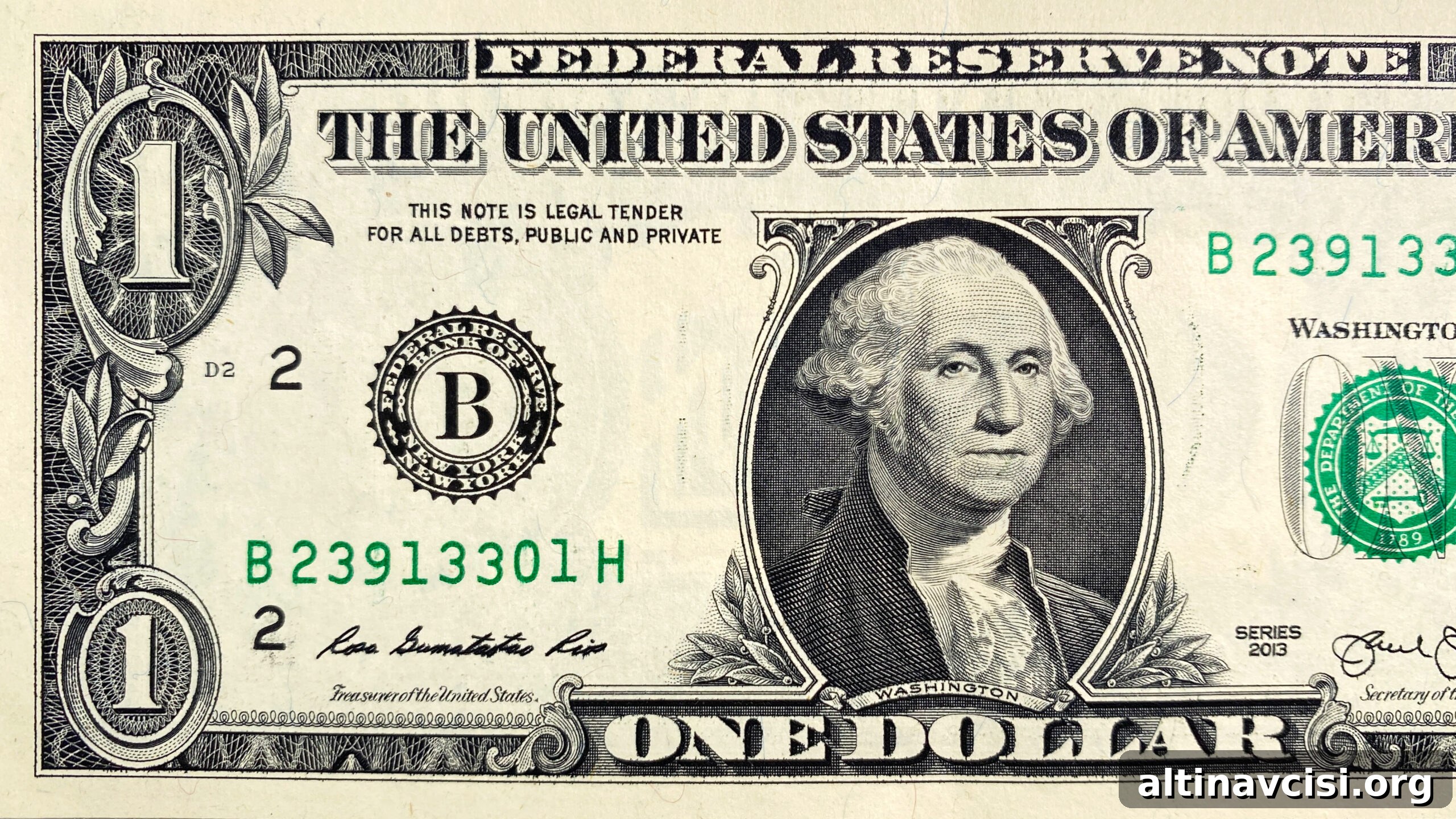
The U.S. dollar strengthened against several major currencies after the United States and the European Union reached a new trade agreement. Under the deal, tariffs on EU goods were set at 15%, half the rate that had previously been threatened. Along with last week’s U.S.-Japan agreement, this development eased concerns about a wider global trade dispute and supported the dollar’s appeal as investors reassess risk.
The euro weakened significantly, giving back earlier gains as market participants digested the implications of reduced trade tensions. Traders shifted focus to how the agreement might reorient capital flows and reduce demand for currencies sensitive to trade policy changes.
Investors are also watching the upcoming monetary policy decisions from the U.S. Federal Reserve and the Bank of Japan. Both central banks are widely expected to hold interest rates steady, but their statements and forward guidance could offer signals about future rate paths and influence currency market dynamics.
In addition to policy headlines, corporate earnings will be an important driver of market sentiment. Large U.S. companies such as Apple and Amazon are set to report results soon, and their earnings could affect investor risk appetite and dollar demand, particularly if the reports point to stronger or weaker consumer spending trends.
Looking ahead, the combination of resolved trade uncertainty, central bank commentary, and major corporate earnings makes for a potentially active period in foreign exchange markets. Traders will likely monitor incoming economic data, central bank communications, and earnings surprises to gauge whether the dollar’s recent strength will persist or give way to renewed volatility across currencies.