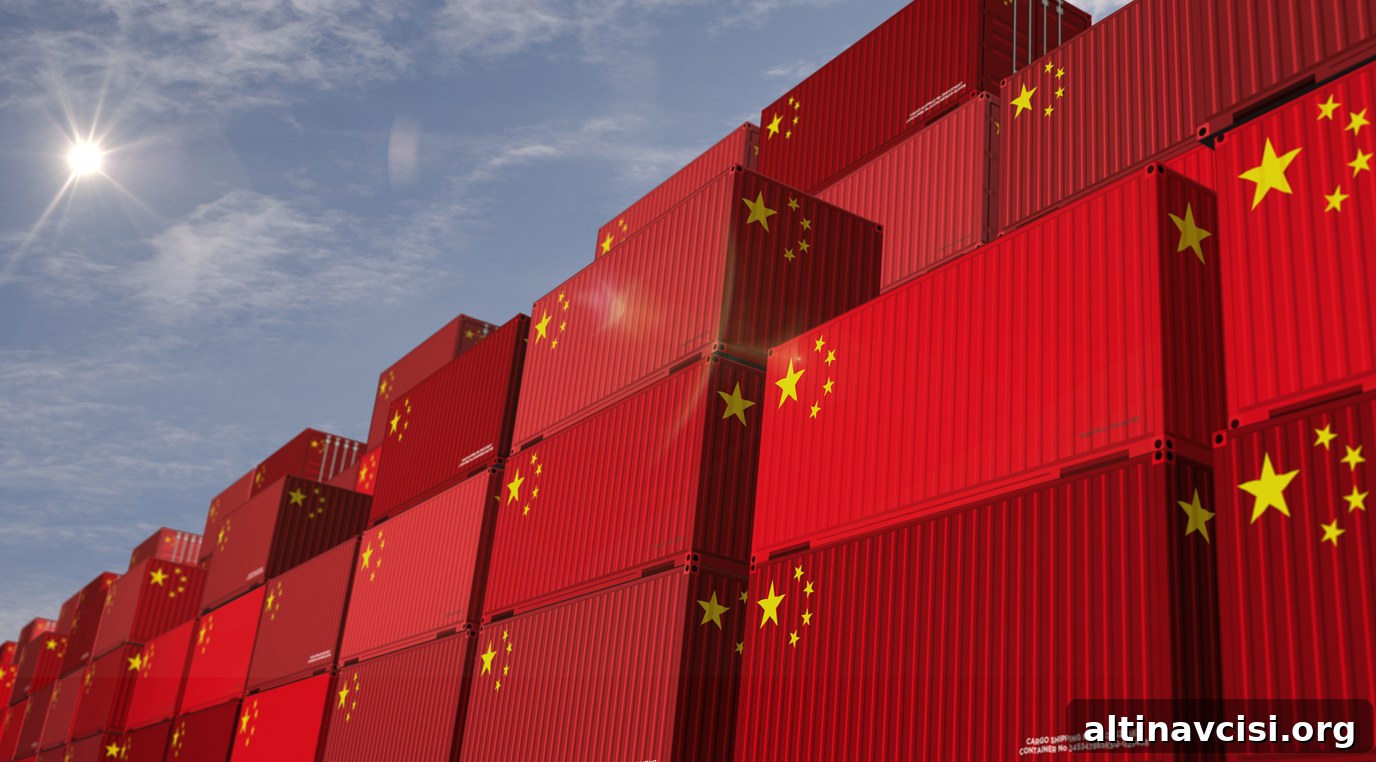
The recent U.S. decision to exempt certain consumer electronics from newly announced 145% tariffs has been interpreted by many observers as a sign of weakness in the trade confrontation with China.
Officials in Washington argue these carve-outs are carefully considered and intended to limit disruption for U.S. consumers and supply chains. Critics, however, contend the exceptions reveal the limits of U.S. leverage when facing a rival that has anticipated and prepared for sustained economic conflict.
Policymakers are navigating a difficult trade-off: escalate tariffs to encourage reshoring of manufacturing, while avoiding harm to American companies that rely on components and finished goods imported from China. The complexity of modern supply chains means broad tariffs can produce unintended consequences for U.S. industry and consumers, prompting selective exemptions that aim to reduce immediate economic pain.
China, for its part, appears to have prepared for prolonged friction and has implemented a range of responses. These include retaliatory tariffs, controls on exports of certain critical minerals and components, and targeted measures against specific American firms or sectors. Such steps are designed both to protect China’s economic interests and to raise the cost of aggressive tariff strategies.
The result is a delicate strategic standoff. U.S. leaders must weigh the political appeal of hardline measures against the practical need to keep supply chains functioning and to shield domestic manufacturers and consumers from excessive price increases. At the same time, Chinese countermeasures highlight how interdependent the two economies have become and how quickly economic conflict can spread across industries and borders.
Observers note that selective exemptions can serve short-term stability, but they may also reduce the effectiveness of tariffs intended to change long-term behavior. Companies caught between national policies must adapt by diversifying suppliers, increasing inventory buffers, or accelerating investments in alternative manufacturing locations. For some American firms, these adjustments are costly and time-consuming; for others, they represent an opportunity to reconfigure operations and reduce future reliance on a single supplier country.
In public debate, supporters of the carve-outs emphasize the need to avoid sudden shocks to businesses and households, arguing that a measured approach preserves economic resilience while pursuing broader strategic goals. Opponents counter that inconsistent application of tariffs undermines the administration’s negotiating position and signals to rivals that U.S. policy may be constrained by domestic economic pressures.
Ultimately, the effectiveness of either side’s measures will depend on how governments and companies respond over time. If the United States can combine targeted trade measures with clear industrial policy and investment in domestic capacity, carve-outs may be a temporary necessity rather than a lasting vulnerability. Conversely, if exemptions become permanent or widely expanded, they could embolden retaliatory steps and weaken the impact of U.S. pressure.
As the situation evolves, businesses and policymakers will need to monitor developments closely, balance short-term economic pain against long-term strategic objectives, and pursue practical steps to reduce systemic risks in global supply chains. The current episode underscores that trade policy is not simply a matter of tariffs and rhetoric but involves managing intricate economic relationships that affect millions of workers, consumers, and companies on both sides of the Pacific.