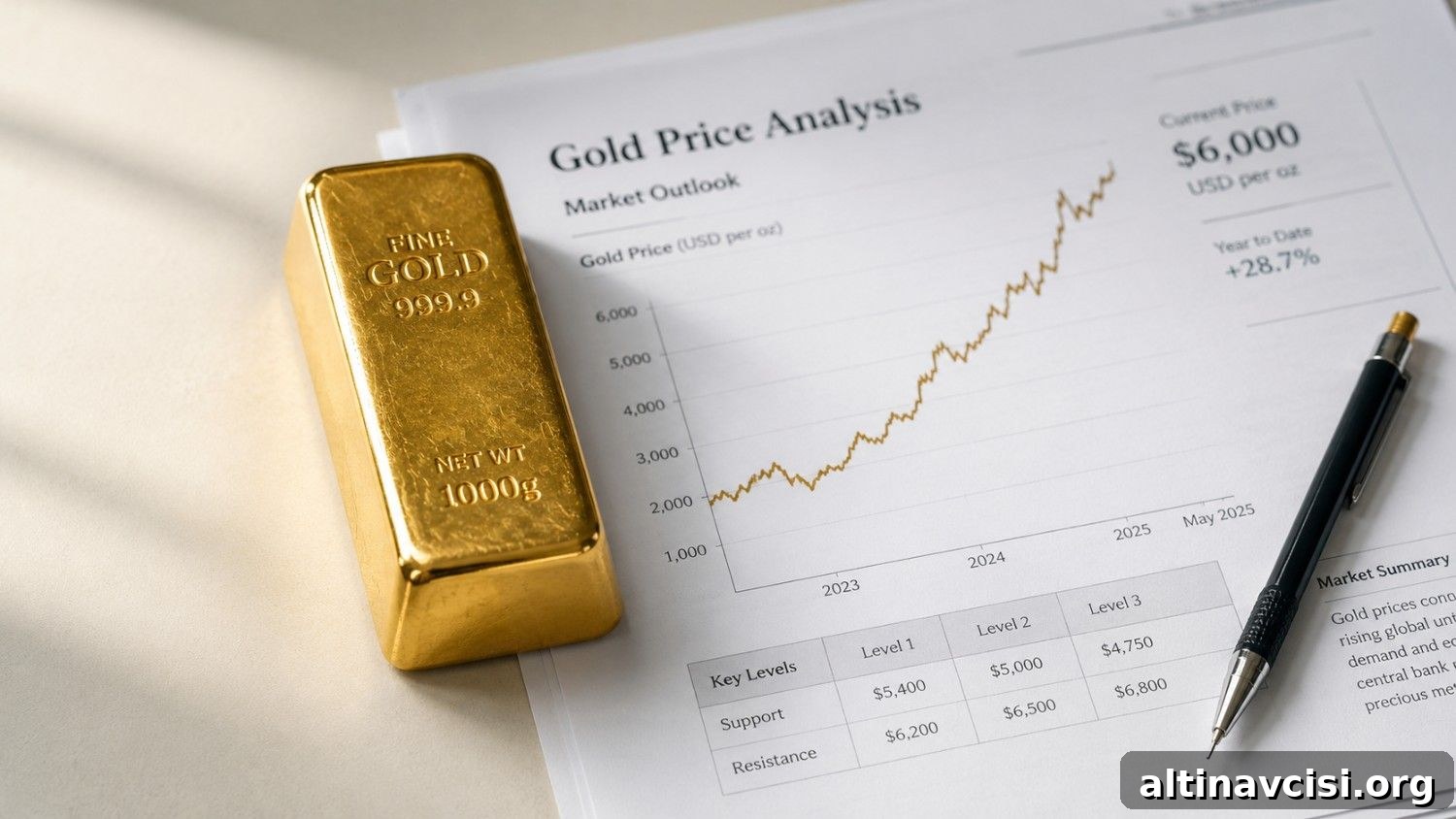
In today’s update: Gold slipped to around $4,502 as Treasury yields spiked — yet Bank of America still targets $6,000, Goldman Sachs calls the drop an accumulation zone, and the structural case for higher prices remains intact.
Gold fell to roughly $4,502 per ounce Wednesday morning as rising Treasury yields and a firmer dollar weighed on the metal. Bank of America maintains a $6,000 target. Goldman Sachs views the pullback as an accumulation opportunity. US-Iran ceasefire talks have stalled, and Hong Kong is aiming for a July launch of a new gold clearing platform designed to operate outside LBMA and COMEX pricing networks. These five developments are connected; understanding how they interact helps explain the market’s next moves.
Why Did Gold Fall Today?
At about 8:39 AM ET gold traded near $4,502 per ounce, within a daily range of $4,454 to $4,509. The 10-year Treasury yield climbed sharply, and higher yields are typically bearish for gold because they raise the appeal of interest-bearing assets compared with non-yielding bullion, prompting rotation out of gold. A stronger US dollar also reduced demand from overseas buyers by making dollar-priced gold more expensive for them. Silver was trading around $75.64 per ounce, up about 2.7% on the day.
This same dynamic has preceded major gold rallies over the past decade: when real yields compress — via rate cuts, higher inflation, or both — investors rotate back into gold and the price moves sharply higher. In that sense, today’s selling can be the setup for future buying.
The Edge Every Investor Needs
Smarter precious metals investing starts here. The Nuggets Newsletter brings essential market insights, Fed updates, global trends, educational videos, and more.
Why Is Bank of America Calling $6,000 Gold?
Bank of America’s $6,000 forecast is among the most bullish from a major institution. Their thesis points to three structural drivers: persistent US fiscal deficits, above-average central bank demand, and waning confidence in Treasuries as a safe store of value. At the current price near $4,502, that target implies roughly 33% upside over the next year.
BofA treats the current pullback as short-term noise against a larger structural signal. Since gold cleared $4,000 their view has been consistent: the key question for investors is not whether gold can rise, but what would have to change for that structural case to fail.
Is the Gold Dip a Buying Opportunity?
Goldman Sachs believes the dip represents an accumulation zone — a price area where institutional buyers step in rather than exit. They argue that near-term weakness is not a reason to leave positions. The bank highlights central bank purchases at multi-decade highs and de-dollarization flows from BRICS and other economies as two demand drivers, with a third structural factor being the Fed’s limited scope to raise rates without triggering fiscal stress.
Historically, yield spikes that pulled gold back over the past two years were absorbed by institutional demand and later reversed. Goldman’s observation that demand floors activate on dips appears to be in play once more, and today’s decline is testing that floor.
What Does the US-Iran Standoff Mean for Gold?
Ceasefire talks between the US and Iran have stalled this week. Geopolitical risk supports gold’s safe-haven bid, so renewed tensions can bolster prices. Earlier optimism about a potential deal briefly reduced that premium; with talks stalled, the safety bid is reasserting itself.
Beyond headlines, factors like Iran’s oil exports, transit through the Strait of Hormuz, and regional energy flows feed into the inflation-gold relationship. A negotiated settlement would reduce the risk premium and likely weigh on gold in the near term, while a breakdown would push the opposite. Markets are not currently pricing either outcome with certainty, so the standoff remains a live variable for gold prices.
Is Asia Building a Rival Gold Pricing System?
Hong Kong aims to launch the Hong Kong Precious Metals Central Clearing Company in July 2026, a clearing and settlement platform intended to support physical gold trading outside the LBMA and COMEX networks that currently set global reference prices. Built with the Shanghai Gold Exchange, the new system will support yuan-based settlement alongside dollar pricing.
Recent diplomatic and trade alignment between China and Russia, including commitments to expanded non-dollar trade, adds context to the move. These developments are part of a multi-year effort by eastern central banks and financial systems to create parallel gold infrastructures. While this build-out does not change gold’s price immediately, it expands the physical demand base and settlement depth that support the structural bull case over the next several years. For now, western exchanges set today’s price while Asian infrastructure is being constructed to influence future price formation.
Gold is down today, yet Bank of America still views $6,000 as attainable. That apparent contradiction exists because the drivers pushing gold higher are structural rather than tactical: fiscal deficits, central bank demand, and diminishing confidence in dollar-based assets are longer-term forces not undone by a single day of yield moves. The relevant question isn’t whether to sell after a pullback; it’s whether the fundamentals that supported a $4,500 price are broken. This week, they are not.
Gold and silver prices as of 8:39 AM ET, May 20, 2026. All analysis is for informational purposes only.
Stay On Top of Gold & Silver Prices
Get important market alerts sent straight to your inbox.
SOURCES
1. nFusion Solutions — Gold & Silver Spot Price API
2. Federal Reserve — H.15 Selected Interest Rates · FRED, St. Louis Fed — 10-Year Treasury Constant Maturity Rate
3. TheStreet — Bank of America Revamps Gold Stock Price Target for 2026
4. The Wealth Advisor — Goldman Updates Their Gold Outlook For 2026 · Yahoo Finance — Goldman Sachs Has Crucial Message for Gold Investors in 2026
5. World Gold Council — Gold Demand Trends Q1 2026 · World Gold Council — Central Bank Demand Q1 2026
6. Al Jazeera — Iran Talks Deadlock Coverage · Times of Israel — US-Iran Talks Stalled Coverage
7. U.S. EIA — The Strait of Hormuz Is the World’s Most Important Oil Transit Chokepoint · Bloomberg — Hormuz Oil Shipments Drop
8. Bloomberg — Hong Kong Targets July Launch for New Gold-Clearing System · Caixin Global — Hong Kong Expands Gold Storage, Launches Clearing Platform
9. NPR — Xi and Putin Meet to Reaffirm China-Russia Ties · RFE/RL — Putin, Xi Summit Coverage
Disclaimer: This article is for informational purposes only and does not constitute financial or investment advice. Consult a qualified financial adviser before making investment decisions.
You May Also Like:
- Gold Didn’t Fall on Iran Peace News. That’s the Point.
- Trump Called Off the Strike. Gold’s Real Risk Is Still $39 Trillion.
- The Gold Market Is Mostly Paper. Dubai Disagrees.
- The Institutions Are Buying. Yields Are Rising. What Does That Tell You?
- Gold Up 40% in a Year. The Moody’s Downgrade Explains Why.
- No Deal, No Premium: Why Silver Fell 7% at the Trump-Xi Summit
- Gold Fell. China Bought Its Most in 17 Months. Here’s Why.
- Why Silver Falls Harder Than Gold — And What It Means