Key Takeaways
- Silver jumped 6% on May 11 after a US‑China tariff truce, then eased after hotter-than-expected April CPI — the metal sits between reopening-driven industrial demand and a Fed that looks unlikely to cut rates before September.
- The gold/silver ratio fell from roughly 62:1 to about 55:1 in a single week in May 2026, one of the fastest compressions in years, and it highlights silver’s current position relative to gold.
- The structural picture remains intact: six consecutive years of supply deficits, nearly 762 million ounces of cumulative draws, and an above-ground market tighter than many investors realise.
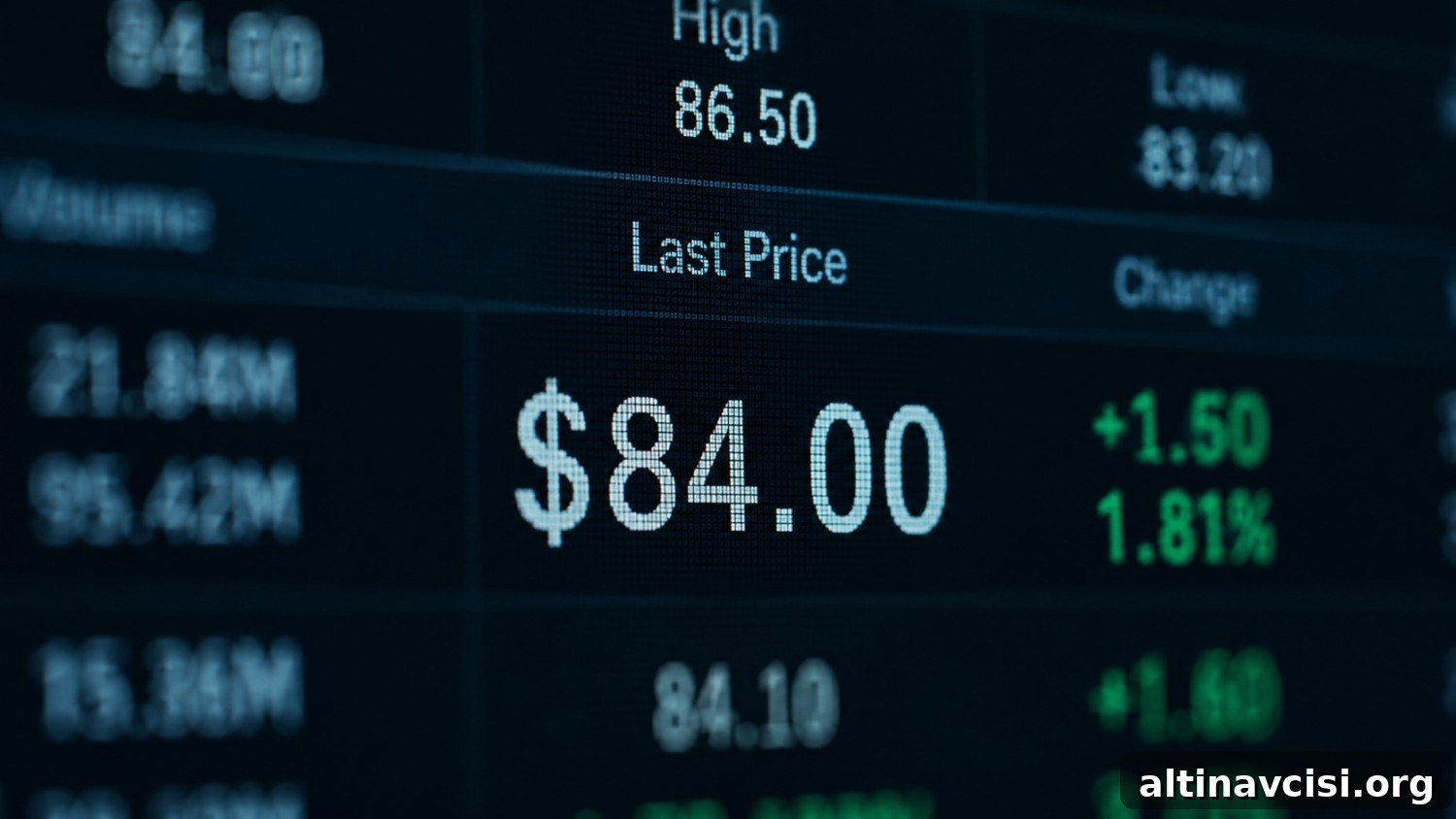
Silver reached an intraday high of $121.64 on January 29, 2026, gave most of that back through February and March, and then consolidated around $70–$80 in April. On May 11 it surged 6% in one session after the US and China announced a 90‑day tariff reduction, briefly clearing $87 by May 13 before April CPI printed 3.8%—above expectations—and pulled the price back toward $84. That volatile week encapsulates the environment for any practical silver price forecast for May 2026: competing forces acting at once and leaving the path forward highly conditional.
Silver behaves as a monetary metal, an industrial commodity, and a speculative asset. In times of panic it tracks gold; during strong manufacturing cycles it acts more like copper. In a dovish rate backdrop it often magnifies gold’s moves by two‑ to threefold. In May 2026, all three drivers were tugging in different directions, which is why single‑theory price calls are likely to be disappointed.
These four numbers — recent highs, the gold/silver ratio move, CPI, and cumulative supply draws — help explain the market dynamics.
What Is the Gold/Silver Ratio Telling Us Right Now?
Entering May 2026 the gold/silver ratio was near 62:1. After the US‑China tariff truce on May 10–11 it compressed to below 55 within a week — one of the fastest moves in recent memory. By May 14 it sat around 55.25. Gold was mostly unchanged while silver performed the move, indicating the market was pricing an industrial demand re‑rating rather than a safe‑haven bid.
Historically, the ratio reached about 31:1 at the 2011 silver peak and spiked to 125:1 during the 2020 COVID crash. Long‑run averages differ by era: roughly 47:1 across the 20th century and closer to 60–65:1 since 2000. At 55:1, silver is below the modern average — cheaper relative to gold, though it has already retraced significantly from the 80:1 levels seen in late 2025.
The ratio’s future direction depends on near‑term catalysts: the outcome of the Trump‑Xi summit and the June 16–17 FOMC meeting. A credible trade extension would likely compress the ratio further and put silver into outperformance mode. A breakdown would reverse that move. A sustained move below 50:1 would be consistent with silver taking a leadership role; a reversal above 62:1 would signal the tariff trade unwinding.

Your Gold Buying Guide Most investors overpay when they buy gold. Then overpay again when they sell. This guide shows you exactly what to own — and why.
Silver Price Forecast May 2026: What Are Analysts Actually Predicting?
Institutional forecasts diverged significantly after January. Bank of America published a wide scenario range in April ($135–$309 year‑end) that relies on ratio compression scenarios rather than a base case, while UBS trimmed its year‑end target to $80 citing demand destruction at higher prices. The gap between high and low forecasts is unusually wide for a major commodity, reflecting genuine uncertainty about the drivers ahead.
J.P. Morgan projects an approximate $81/oz average for 2026, more than double its 2025 average. Goldman Sachs models a 2026 average in the $85–$100 range, viewing silver as a strategic metal for the green energy transition. Citi’s H2 target is $110 on concerns about physical shortages. ING is more conservative with a $78 full‑year average. The Reuters 30‑analyst median sits near $79.50.
With silver trading around $84, it already exceeds several consensus averages, which implies either upward revisions or a price path that includes near‑term weakness before a recovery. The key metric to watch is direction of mid‑year analyst revisions: upgrades from major banks would be bullish; downgrades would be a material headwind.
Why Does Silver’s Structural Supply Deficit Matter?
Beneath short‑term volatility, the long‑term structural story remains unchanged. The market is positioned for a sixth consecutive annual supply deficit, with a projected shortfall near 46 million ounces. This contrasts with gold, where above‑ground stocks far exceed annual mine production. Silver is consumed in industrial applications — solar panels, EVs, semiconductors, and medical devices — and much of that metal is not returned to inventories.
Cumulative draws since 2021 approach 762 million ounces, roughly nine months of global mine output. COMEX registered inventories fell from a peak of about 531 million ounces in October 2025 to roughly 315 million ounces, and significant flows left the US in early 2026. Annual mine production hovered around 813 million ounces in 2025 and may edge toward 820 million in 2026. Since around 70% of silver is a byproduct of other metals, supply response to higher silver prices is limited. New supply requires long lead times — on average more than eight years from discovery to production — so production cannot quickly offset deficits.
There are real offsets: PV manufacturers are reducing silver per panel and PV demand is expected to fall around 19% year‑on‑year in 2026, while jewellery and silverware demand have declined. Yet silver’s combination of conductivity and durability has few large‑scale substitutes. As EV production, data centers for AI, and 5G infrastructure expand, new industrial demand vectors are likely to outpace thrifting over the medium term.
How Do Real Yields Drive the Silver Price?
Real yields are the dominant short‑ to medium‑term driver for silver. In mid‑May 2026 the picture became more complex: before May 13 markets priced nearly a 48% chance of a June Fed cut; after April CPI printed 3.8% the odds of a June cut collapsed to under 8%, and expectations shifted toward September or later. The Fed’s decisions matter because previous easing cycles produced amplified moves in silver: 2019–2020 easing took silver from $14 to $29, and the 2025 easing cycle helped drive the January 2026 peak near $121. Each time real yields compressed, silver tended to amplify gold’s move by two‑ to threefold. Conversely, pauses in easing produced consolidation periods.
The June 16–17 FOMC meeting and the accompanying dot plot are the next pivotal events. A hawkish dot plot that signals no cuts this year would likely extend silver’s consolidation into Q3. A dot plot shifting expectations toward September easing would provide significant runway for another leg higher.
Stay On Top of Gold & Silver Prices
Get important market alerts sent straight to your inbox.
People Also Ask
What is the gold/silver ratio telling investors in May 2026?
The ratio compressed from roughly 62:1 to 55:1 in a week after the tariff truce, driven by silver while gold remained steady. That suggests silver is trading on industrial demand expectations rather than safe‑haven flows. At 55:1 it’s below the post‑2000 average and therefore relatively inexpensive versus gold, though this depends on whether the tariff truce endures.
Why is silver so volatile in May 2026?
Volatility reflects mixed macro signals: a positive industrial catalyst from the tariff truce, a negative monetary catalyst from hotter CPI that pushed Fed‑cut expectations back, and ongoing geopolitical risks that keep inflation and oil markets uncertain. The result is sharp swings as participants reprice differing scenarios.
What is the silver supply deficit and why does it matter?
The market is entering a sixth consecutive annual deficit, roughly 46 million ounces in 2026, with cumulative draws near 762 million ounces. COMEX registered inventories have fallen materially. Because most silver is a byproduct of other metals, supply cannot quickly expand in response to price, making the deficit structurally persistent and important for long‑term price support.
What are analysts forecasting for silver in May 2026?
Forecasts range widely: J.P. Morgan ~ $81/oz for 2026, Reuters median ~ $79.50, ING ~$78, Citi and Goldman projecting significantly higher for H2 or under bullish scenarios, and Bank of America offering a much wider scenario range. With spot near $84, either targets will be revised upward or the price path will include some softness before another potential leg up.
How does the June 2026 Fed meeting affect silver?
The June 16–17 FOMC meeting is the key near‑term event. After the April CPI print, the chance of a June cut collapsed and markets moved their first‑cut expectations toward September or later. A hawkish dot plot would likely extend consolidation; any signal of easing by September would be a major positive for silver.
The Pause Is Not the Story
The immediate bear case is clear: a collapse of the tariff truce, a dot plot showing no cuts this year, and persistently sticky inflation would prolong consolidation. That argues for a measured allocation rather than an all‑in bet. But the structural thesis — years of deficits, durable industrial demand, limited supply elasticity, and monetary risks — remains intact. The tariff truce is a near‑term catalyst; the deficit is a multi‑year floor. Any credible silver price forecast for May 2026 must weigh both ideas simultaneously.
Disclaimer: This article is for informational and educational purposes only. It does not constitute investment advice. Consult a qualified financial adviser before making investment decisions.
You may also like:
- Dollar Dominance Is Fading. Gold and Silver Are Paying Attention.
- GoldSilver: Home Storage and Vault in One Account
- The Bond King’s Golden Signal: Jeffrey Gundlach on Gold
- Gold Price Outlook May 2026: Why Institutional Forecasters Still See $5,000
- India’s ‘Patriotic’ Gold Buying Freeze: What It Means for Prices
- How to Time Your Gold & Silver Buys Using Technical Analysis
- Silver Jewelry or Bullion? A Buyer’s Guide to the Real Difference
- Gold and Oil Move Opposite Ways. Here’s Why That Matters
SOURCES
1. nFusion Solutions — Live Gold and Silver Spot Prices, May 14, 2026
2. Silver Institute / Metals Focus — World Silver Survey 2026, April 15, 2026
3. PV Magazine / Metals Focus — Silver Demand From PV Industry Expected to Drop 19% This Year, April 2026
4. J.P. Morgan Global Research — How Will Silver Prices Fare in 2026?
5. Goldman Sachs — 2026 Silver Price Outlook
6. Citigroup Global Markets — Silver Price Target, H2 2026
7. Bank of America Global Research — Silver Commodity Outlook, 2026
8. Reuters — 30‑Analyst Silver Price Median Survey, 2026
9. Federal Reserve — FOMC Press Release, April 29, 2026
10. CME Group — FedWatch Rate Probability Tool