Daily News Nuggets | Today’s top stories for gold and silver investors
March 11th, 2026 | Brandon Sauerwein, Editor
February CPI: A Pre-War Snapshot
The February 2026 CPI report arrived broadly in line with expectations and provides a clear pre-conflict baseline. Headline inflation remained at 2.4% year-over-year, and prices rose 0.3% on a seasonally adjusted basis. Core CPI, which excludes food and energy, was slightly cooler than forecast at +0.2% for the month, with the annual rate steady at 2.5%.
Breaking down the components: food prices rose 0.4% for the month and 3.1% year-over-year. Shelter increased by 0.2%. Used car prices continued to decline, falling 0.4%. Energy reversed some of January’s drop with a 0.6% increase, led by natural gas (+3.1%) and gasoline (+0.8%) before seasonal adjustment.
Importantly, this data was collected before the U.S.-Israel strikes on Iran began on February 28. The sharp rise in crude and gasoline seen in late February and March does not appear in these figures; those moves will show up in March and April reports. As Morningstar analysts noted, the CPI release represents a pre-war snapshot rather than the full inflationary effect of the recent geopolitical shock.
Several forecasters are watching closely. Goldman Sachs warned that if higher oil prices persist, headline inflation could rise from 2.4% toward 3% by year-end. In that sense, today’s CPI print is a useful baseline, but the true inflation story is still unfolding.
The Edge Every Investor Needs
Smarter precious metals investing starts here. The Nuggets Newsletter brings you essential market insights, Fed updates, global trends, educational videos, and much more.
Inflation’s Calm Before the Storm
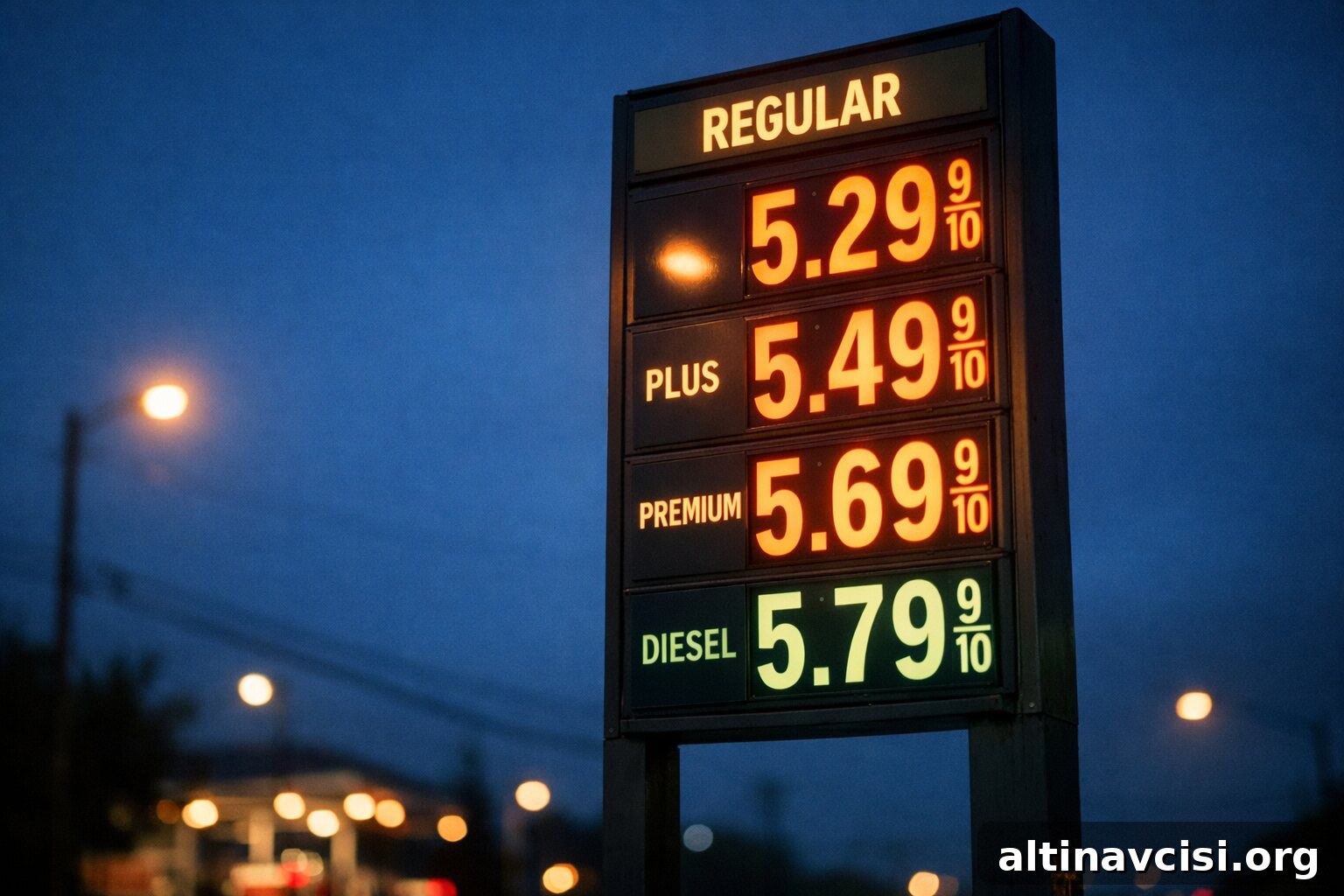
That apparent calm may be short-lived. Gasoline prices jumped nearly 19% in a single month, and economists warn that the worst effects of the oil shock may still be ahead. The February CPI sample was taken before the Iran conflict accelerated; the inflationary impact of rising oil prices will be reflected mainly in March and April readings.
The key concern is the Strait of Hormuz, a chokepoint that handles a large share of Persian Gulf oil exports. Disruptions there pushed WTI crude briefly toward $120 per barrel before easing back toward $85 after political comments calmed markets. Incidents such as damage to commercial vessels in the strait demonstrate how fragile the supply picture remains and why energy-driven inflation risks persist.
If oil stays elevated, headline inflation could approach 3% by year-end, reversing much of the disinflation progress of recent years. That shift would coincide with heightened political sensitivity around affordability as midterm elections approach, increasing pressure on policymakers and lawmakers alike.
For the Federal Reserve, the policy trade-off is awkward. A weakening labor market argues for lower rates, while a resurgence in energy-driven inflation argues for maintaining higher policy rates. Those two forces point in opposite directions, and typical monetary tools cannot address both simultaneously.
The Bond Market’s Worst Week Since Liberation Day
The U.S. Treasury market suffered its worst weekly rout since the chaos around the Liberation Day tariff episode, and oil was the main driver. When strikes on Iran began, Treasuries moved sharply: yields jumped as crude surged and inflation expectations rose, undermining the safe-haven bid for government debt.
The 10-year Treasury yield rose roughly 10 basis points to about 4.03% in a single session, marking the largest one-day move since October. WTI crude posted an unprecedented weekly gain of around 35%, the largest since oil futures trading began in 1983. Five-year breakevens climbed to about 2.6% from 2.4% before the conflict.
Bond markets now face conflicting pressures: higher oil-driven inflation lifts yields, while a slowing economy pushes them lower. Large asset managers are adjusting positioning—BlackRock moved to underweight long-dated Treasuries, while Pimco signaled a readiness to shift exposure with a modest tilt to the intermediate curve. No clear resolution is in sight as the market balances these forces.
Ray Dalio: “There Is Only One Gold”
Bridgewater founder Ray Dalio made a forceful case that gold and bitcoin are not interchangeable hedges. Speaking on the All-In Podcast, he argued investors err by treating the two assets as equivalent safe havens. Recent performance supports his view: over the past year gold rose sharply while bitcoin declined, highlighting different roles in stress periods.
Dalio emphasizes a structural distinction: central banks accumulate and hold tons of gold in reserves; they do not hold bitcoin. That institutional role makes gold a reliable absorber of safe-haven flows when markets deteriorate, while bitcoin tends to move with risk assets and can sell off alongside equities.
“There is only one gold,” Dalio said, underscoring his view that gold is a unique reserve asset with resilience in a stressed global system. He advises investors to hold gold as a permanent allocation—suggesting a range of roughly 5% to 15% of a portfolio—not as a speculative trade but as diversification and insurance for difficult market scenarios.
🗓️ Coming This Week
Thursday brings weekly jobless claims, and Friday delivers the Q4 GDP second estimate. The Fed meets on March 18, with markets currently pricing a high probability that policy will remain unchanged. The critical question isn’t just whether the Fed moves, but how it frames the outlook in a world where inflation is rising again while the labor market softens.
That mix—higher inflation risk paired with slowing growth—is typically favorable for gold, which tends to perform well amid policy uncertainty and outcome-driven volatility.
Stay On Top of Gold & Silver Prices
Get important market alerts sent straight to your inbox.
You May Also Like
- Ray Dalio Says Gold Is Still “The Safest Money”
- The CPI Report and Gold: Why Inflation Data Moves the Metal
- Gold Price Today: Why This Week’s News May Be Bullish for Gold
- Gold Price Outlook: What Could Push Gold to $6,300
- Gold and Silver Prices Today: Iran, Oil, and a $1.3B Bet