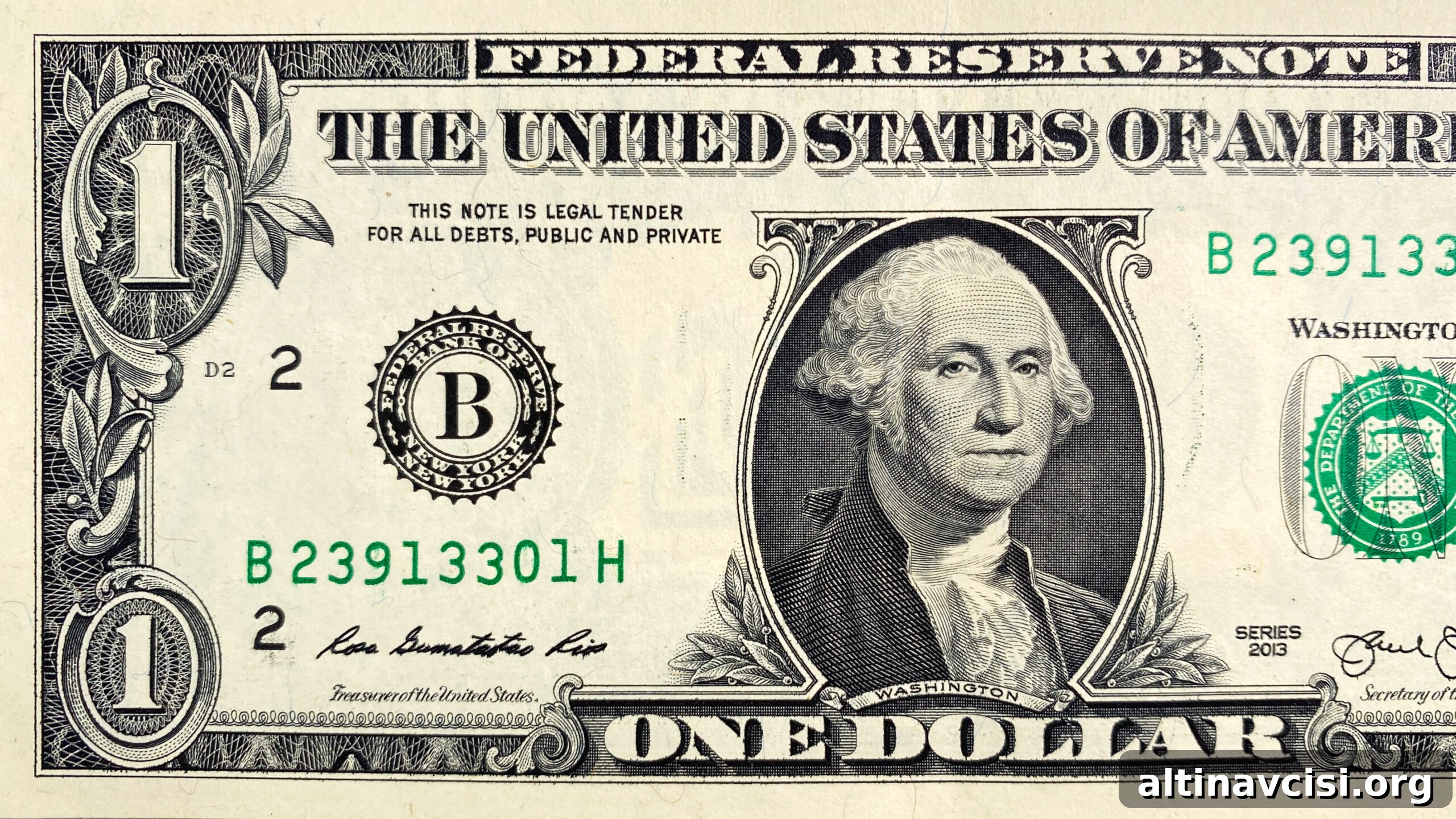
The U.S. dollar traded near a more than two-week high against the Japanese yen as President Trump escalated trade tensions by announcing a new round of tariffs scheduled to begin on August 1. The announcement—targeting a range of goods—pushed the dollar slightly higher versus several major currencies after additional threats of levies on copper, semiconductor components, and selected pharmaceutical products. Although the greenback has shown recent strength, the broader dollar index remains more than 6% below levels seen when the so-called “Liberation Day” tariffs were first introduced in April.
Market participants interpreted the latest tariff announcements largely as bargaining tactics rather than a signal of an immediate, permanent shift in trade policy. Nonetheless, the escalation contributed to a notable weakening of the yen, as talks between Japan and the United States appear to remain distant from any comprehensive agreement. That gap in progress weighed on the yen’s outlook, reinforcing safe-haven flows into the dollar and driving short-term currency market volatility.
Investors are closely monitoring several forthcoming events that could influence currency trajectories. In Japan, a domestic election cycle is under way, and outcomes could affect economic policy and market sentiment, further complicating the yen’s near-term path. In the United States, traders will scrutinize the minutes from the latest Federal Reserve meeting for indications about future interest-rate plans, since shifts in U.S. monetary policy expectations tend to have an outsized impact on currency valuations worldwide. Any suggestion of a more hawkish Fed would likely support the dollar, while dovish signals could pressure it.
Elsewhere in the currency market, the euro edged lower as traders assessed the possibility of exemptions from the latest tariff measures for certain EU exports. Hopes for selective carve-outs were not enough to offset immediate risk-off positioning, and the single currency slipped modestly amid renewed trade uncertainty. Meanwhile, the New Zealand dollar declined after the Reserve Bank of New Zealand highlighted short-term inflationary pressures. That central bank commentary signaled to markets that policy divergence could become a factor, at least in the near term, reducing appetite for New Zealand’s currency in comparison with higher-yielding or safer alternatives.
Beyond central-bank commentary and political events, commodity-linked currencies remained sensitive to the prospect of tariffs on industrial inputs such as copper and semiconductor materials. Traders reassessed forward demand expectations for those raw materials, which in turn influenced currencies of countries that export them. The threat of targeted levies introduced an additional layer of uncertainty for global supply chains and trade flows, prompting some investors to trim positions that were vulnerable to trade-policy shocks.
Despite the immediate market reaction to tariff announcements, analysts emphasized that a sustained shift in the dollar’s trend would depend on a combination of factors: the actual implementation and scope of tariff measures, the timing and content of central-bank decisions, and developments in geopolitical negotiations. For now, the dollar’s resilience against the yen reflects a blend of safe-haven demand, perceived policy gaps between the United States and Japan, and the market’s tendency to front-run potential disruptions to trade.
Looking ahead, currency traders will continue to weigh incoming economic data, central-bank signals, and political developments on both sides of the Pacific. Any clear movement toward a negotiated settlement or, conversely, further escalation in tariffs could trigger meaningful follow-through in the FX market. Until then, near-term volatility is likely to persist as investors price in the evolving mix of trade policy risks and monetary-policy expectations that are shaping the dollar and other major currencies.