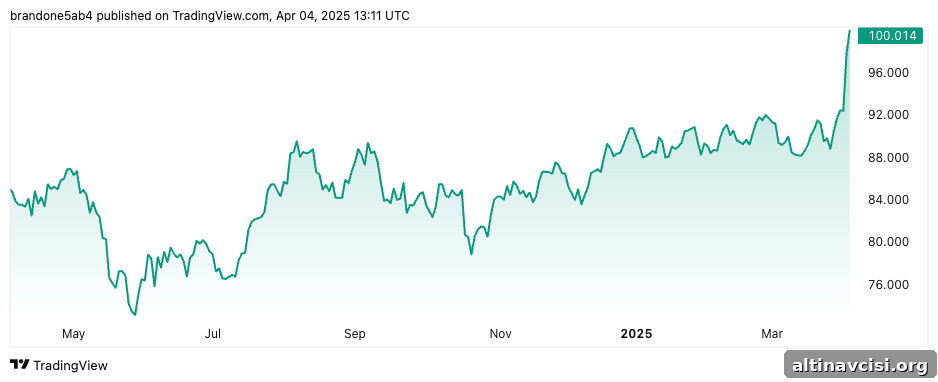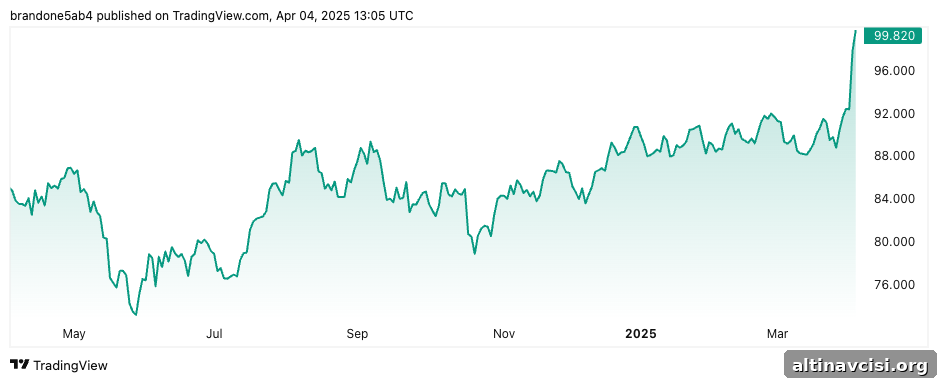
Early Friday morning the gold-to-silver ratio reached 100 to 1.
This ratio shows how many ounces of silver are required to buy one ounce of gold. A reading of 100 indicates gold is trading at one hundred times the price of silver, a level that is unusually high by historical standards.
Over the past century the long-term average has generally fallen between 40 and 60, so the current ratio stands out to investors and market observers.
A very high gold-to-silver ratio can imply that silver is undervalued relative to gold, which some investors interpret as a potential buying opportunity for silver. It can also reflect atypical market conditions in the precious metals sector, such as stronger demand for gold as a safe haven, weaker industrial demand for silver, or broader macroeconomic factors influencing both metals differently.
Investors should consider that the ratio alone does not guarantee future performance. Other factors—including supply and demand dynamics, mining production, central bank policy, inflation expectations and industrial usage—play a significant role in price movements. Traders and portfolio managers often combine ratio analysis with fundamentals, technical indicators and macroeconomic context before making decisions.
Historically, periods of very high ratios have sometimes been followed by relative gains for silver as the spread narrows, but timing those shifts can be difficult. Market participants who view silver as undervalued may increase exposure through physical silver, exchange-traded funds, mining equities or futures, depending on risk tolerance and investment horizon. Conversely, a persistently high ratio might indicate structural changes in the silver market that could keep prices subdued for longer.
For those tracking precious metals, the 100-to-1 level is a reminder to review portfolio allocations, consider diversification, and evaluate the drivers behind diverging metal prices. Monitoring seasonality, industrial demand trends and monetary policy developments can help clarify whether the ratio reflects a temporary dislocation or a longer-term revaluation.