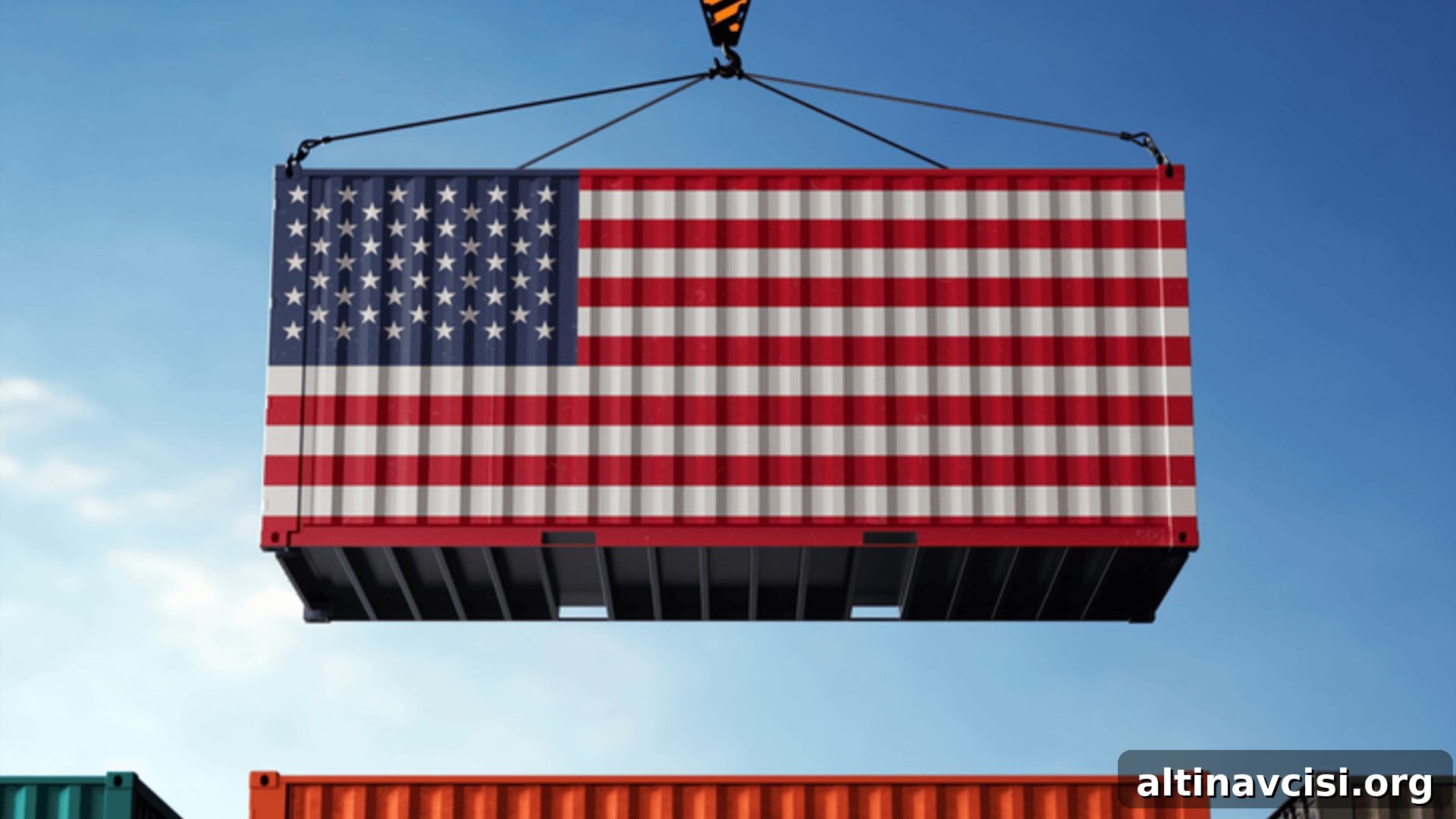
The United States and China have agreed to a temporary tariff reduction for 90 days while they continue negotiations to resolve broader trade disputes.
Under the arrangement announced after talks in Switzerland, U.S. tariffs on Chinese imports will be cut from 145% to 30%, and China will lower tariffs on U.S. goods to 10% for the duration of the 90-day period.
Treasury Secretary Scott Bessent described the agreement as an important step toward easing economic tensions between the two largest economies. He said the pause in escalatory measures creates space for both sides to engage in more detailed discussions aimed at a durable, mutually acceptable outcome.
In addition to tariff reductions, the deal incorporates cooperation on public health and law-enforcement priorities, including steps to address the fentanyl crisis that has had severe consequences in both countries. Officials indicated that the cooperation framework will focus on information sharing, enforcement coordination, and measures to disrupt supply chains for illicit substances.
Analysts note that the temporary tariff cut gives businesses on both sides a predictable window to adjust supply chains, reassess pricing and plan for potential changes in trade policy. Exporters and importers are expected to monitor negotiations closely, as the 90-day period will determine whether further concessions or a longer-term agreement can be reached.
Both governments emphasized that this is a negotiated pause rather than a final settlement. Negotiators will use the coming weeks to tackle outstanding issues such as market access, intellectual property protections, and mechanisms for enforcing any future commitments.
Observers say the tariff reduction could ease inflationary pressures by lowering costs for certain imported goods, though the broader economic impact will depend on how companies respond and whether the temporary terms become permanent or are extended.
For now, the 90-day reduction represents a tangible de-escalation and a willingness by both sides to pursue diplomacy and cooperation on shared challenges while giving negotiators time to work toward a more comprehensive trade arrangement.