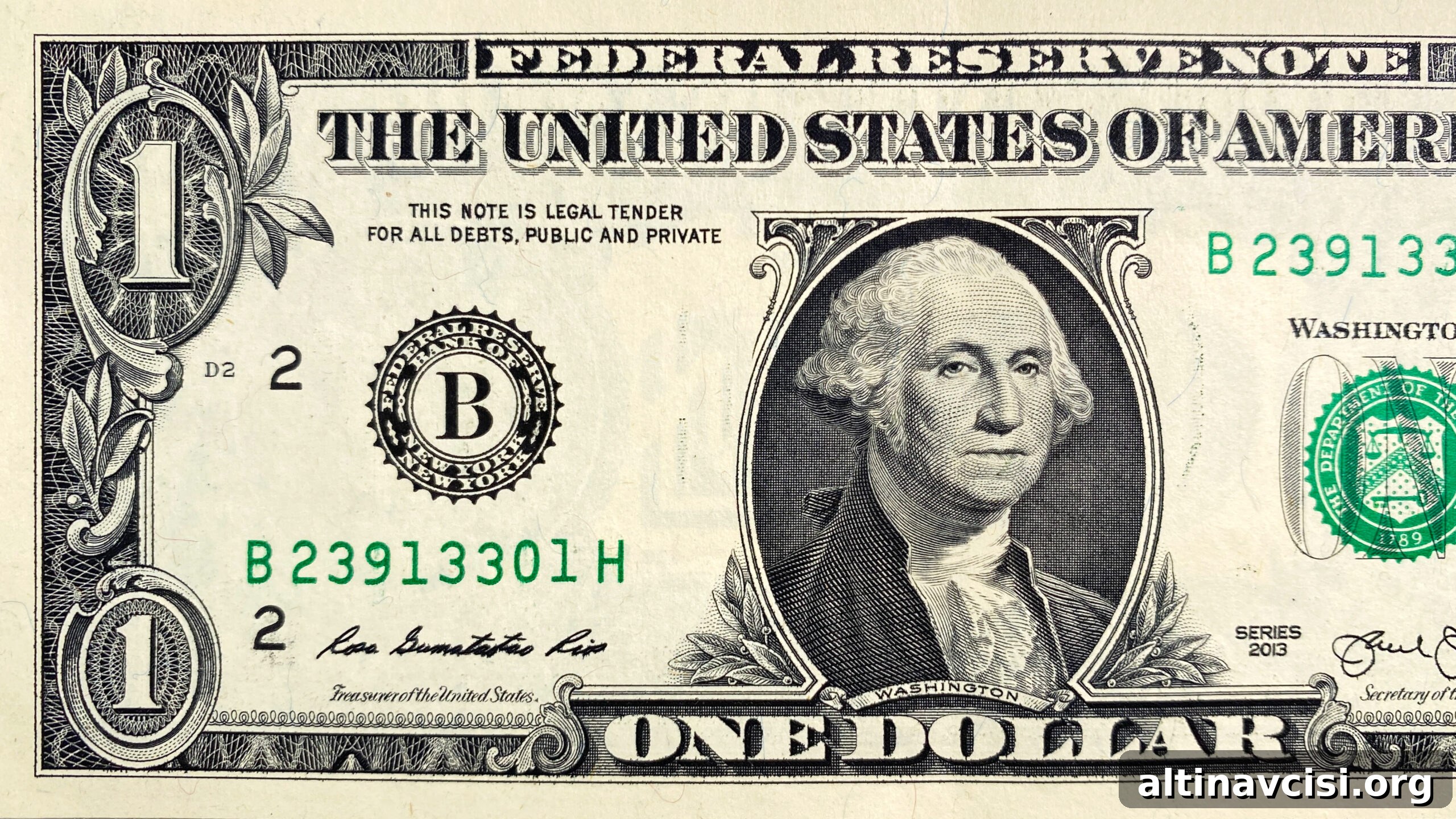
European Central Bank President Christine Lagarde says there is a clear opportunity for the euro to assume a larger role in global finance as confidence in the U.S. dollar softens.
Today the dollar remains the dominant global reserve currency, accounting for roughly 60% of official foreign exchange reserves, while the euro represents about 20%.
With the dollar index down more than 8% so far this year amid shifting geopolitical dynamics and policy moves such as tariffs, Lagarde argues that Europe can bolster the euro’s international standing by preserving open trade, deepening capital markets, and upholding the rule of law.
She emphasizes that increasing the euro’s appeal will require coordinated policy efforts across the euro area. Stronger, more integrated capital markets would give investors and governments more options to raise and deploy funds in euros, reducing reliance on dollar-denominated financing. Enhancing transparency, improving regulatory frameworks, and ensuring predictable legal environments are also essential steps to make euro assets more attractive to global investors.
Maintaining open trade relationships is another pillar of this strategy. By resisting protectionist measures and promoting stable cross-border commerce, the eurozone can encourage international partners to conduct more trade and settle transactions in euros. Over time, this would increase the currency’s use in invoicing, reserves, and international investment.
Lagarde’s remarks reflect a broader debate about the international monetary system and whether alternatives to the dollar can gain ground. Shifts in currency prominence typically occur slowly, driven by a combination of economic size, financial market depth, institutional credibility, and geopolitical considerations. For the euro to gain market share, policymakers must focus on long-term reforms that enhance market liquidity, foster cross-border capital flows, and strengthen institutional trust.
While the current gap between the dollar and the euro is sizeable, even modest increases in the euro’s share of global reserves and transactions could diversify the international monetary landscape. Such a transition would not happen overnight, but Lagarde’s call highlights actionable steps Europe can take now to position the euro as a more prominent and resilient global currency.