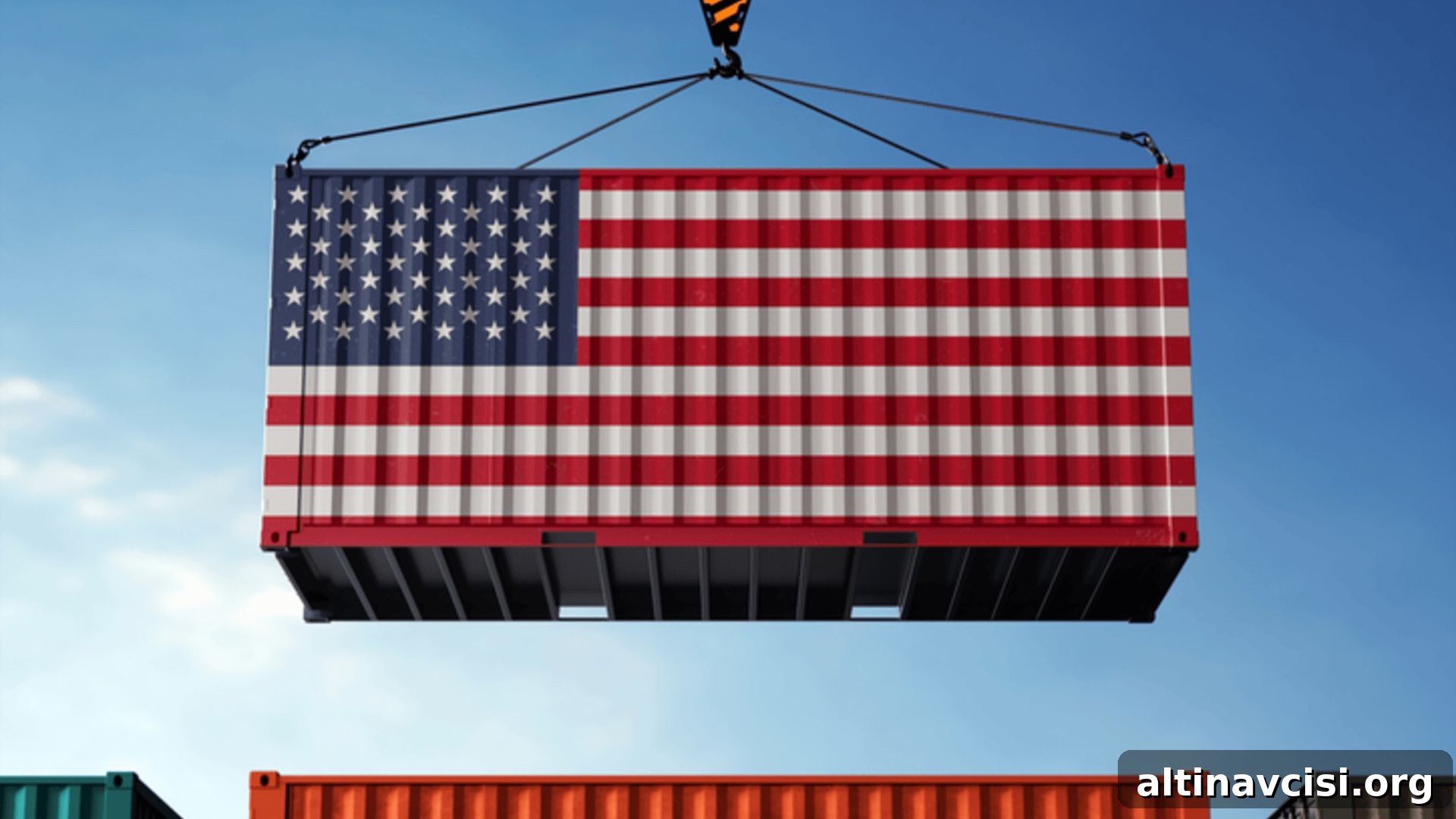
President Trump’s swift and often inconsistent roll-out of tariffs during his first six weeks in office has generated confusion for trading partners and businesses alike.
The administration frequently announced broad tariffs and later walked those measures back through exemptions and delays, with notable back-and-forth over policies affecting Canada, Mexico and China. These reversals have made it difficult for companies to plan and for foreign governments to respond predictably.
Much of this turbulence unfolded while several senior trade positions remained vacant, leaving key decisions in the hands of advisers who favored protectionist measures. That imbalance in policymaking magnified uncertainty across markets.
The erratic signals contributed to volatility in stock markets and weighed on consumer confidence, even as White House officials argued that rapid action was necessary to confront longstanding trade imbalances. For many businesses, the pattern of abrupt announcements followed by exemptions or deferrals created practical headaches: supply chains were disrupted, procurement plans were revised, and firms faced the prospect of sudden cost increases that might later be softened or rescinded.
The sequence of events underscored several broader risks. First, unpredictability in trade policy can discourage investment, as companies hesitate to commit to long-term projects when costs and tariffs may change on short notice. Second, uneven implementation and ad hoc exemptions can produce perceptions of favoritism, complicating diplomatic relations with countries not granted relief. Third, leaving crucial trade decisions to a small group of advisers while formal posts remain unfilled concentrates power and reduces institutional checks that typically ensure more measured policy development.
Observers noted that clear, consistent rules are particularly important for industries with complex cross-border production, such as automobiles and electronics. When components cross multiple borders before final assembly, even temporary tariffs or sudden exemptions can cascade through supplier networks, raising prices for manufacturers and consumers and creating logistical challenges for freight and inventory managers.
While the White House framed the aggressive tariff strategy as a necessary correction to unfair trade practices, the mixed messaging—announcing sweeping measures and then narrowing their scope—proved politically and economically costly. Trading partners expressed frustration at the lack of transparency and the apparent willingness to change course repeatedly, and some companies reported taking a defensive approach to protect margins and continuity of operations.
Increased market volatility and declining consumer sentiment reflected the economic side effects of this policy uncertainty. Investors and households generally prefer stable policy environments that allow for predictable budgeting and investment. Rapid policy shifts, especially in an area as central to global commerce as tariffs, can erode that stability.
Going forward, policymakers face the challenge of balancing the desire to address perceived trade inequities with the need for clear, consistent rules that allow businesses and foreign governments to make informed decisions. Filling key trade posts, outlining transparent criteria for exemptions, and coordinating with affected partners would help reduce the disruptive impact of sudden tariff announcements and restore greater confidence among stakeholders.