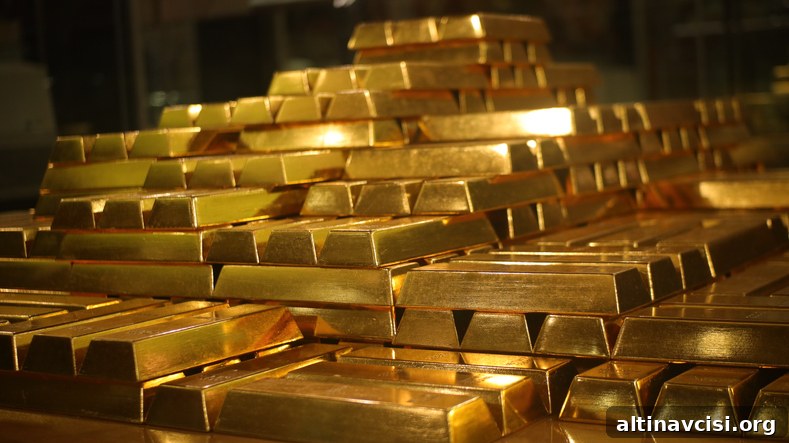
Gold prices slipped on Thursday, falling 0.4% to $3,352.63 an ounce after President Trump announced a broad trade agreement with Britain. The announcement eased market anxieties and reduced some investor demand for gold as a safe-haven asset. Traders are also focused on upcoming U.S.-China trade talks in Switzerland, which could influence market sentiment and precious metals prices.
Meanwhile, Beijing’s central bank has approved foreign-exchange purchases tied to gold imports under larger quotas, a move analysts say should support physical bullion demand. Han Tan, an industry analyst, noted that the increased quota is likely to underpin demand for gold as Chinese buyers take advantage of the higher import allowance.
Geopolitical tensions may also play a role in gold’s outlook. Escalating hostilities between India and Pakistan—highlighted by Pakistan’s report that it shot down 12 Indian drones—could boost safe-haven interest in the metal. Ole Hansen of Saxo Bank suggested that renewed regional instability can prompt investors to seek protection in gold, partially offsetting downward pressure from improving trade news.
In summary, gold’s recent decline reflects reduced safe-haven buying after a significant trade announcement, while supportive factors such as higher Chinese import quotas and regional geopolitical risks continue to influence demand. Market participants will be watching trade negotiations between the United States and China, plus any further geopolitical developments, for clues about the next move in bullion prices.