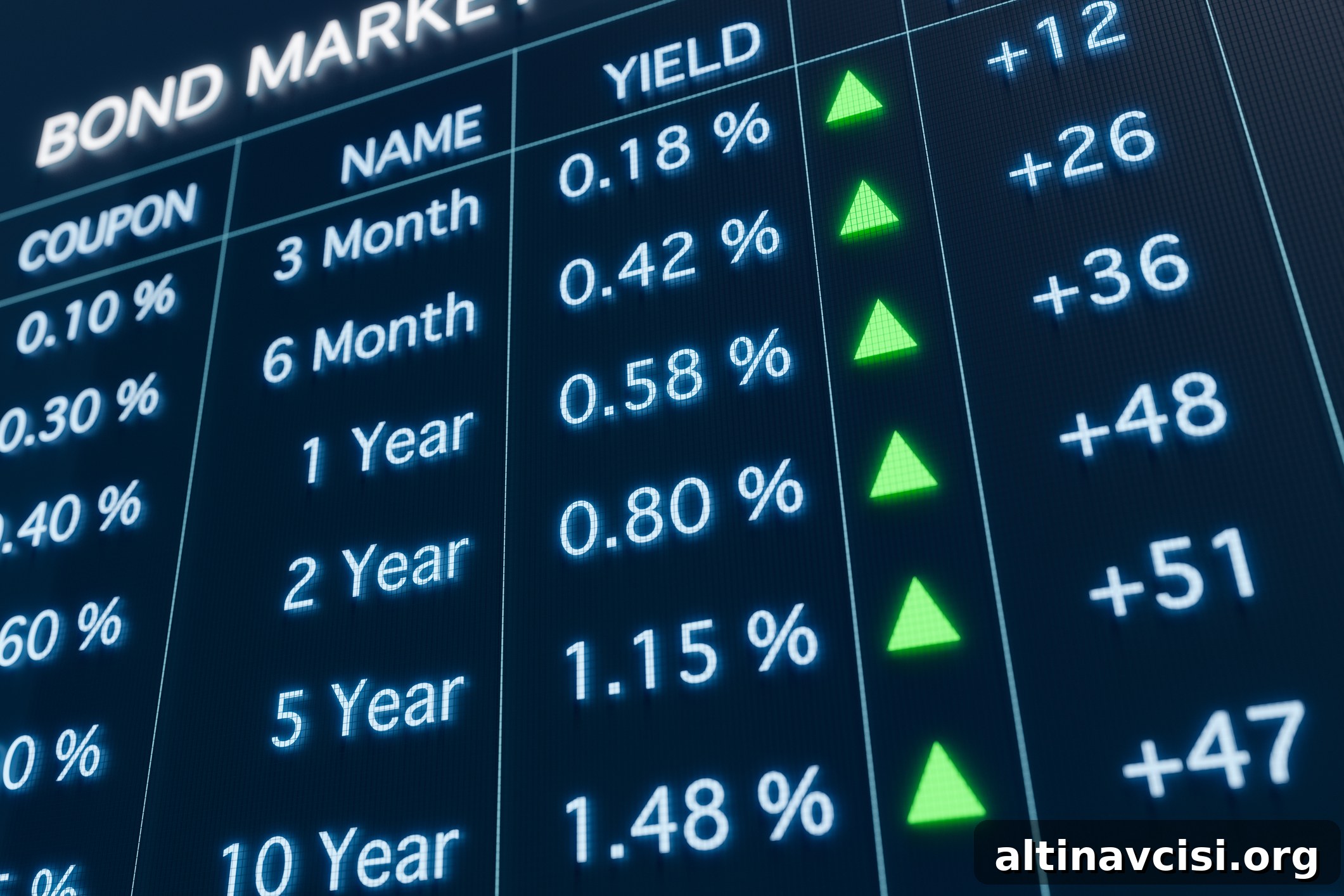
Treasury yields rose broadly on Thursday after a stronger-than-expected June jobs report highlighted continued resilience in the U.S. labor market. The benchmark 10-year Treasury yield climbed more than five basis points to 4.344%, while the 2-year yield moved sharply higher by roughly ten basis points to 3.888%.
The June payrolls report showed 147,000 jobs added, outpacing the 110,000 jobs that had been forecast, and the unemployment rate fell to 4.1%. Those figures contrasted with Wednesday’s weaker ADP report, which indicated private sector job losses. Taken together, the data have reinforced expectations that labor market conditions remain relatively tight and could influence the Federal Reserve’s decision-making, potentially supporting a pause in rate changes at the Fed’s upcoming July meeting.
Investors also weighed several fiscal and policy developments. One notable concern is a major spending package projected to add around $3.3 trillion to the federal deficit, a factor that could affect long-term interest rate expectations and market sentiment. In addition, new trade tariffs on imports from Vietnam have drawn attention, as trade policy shifts can influence economic growth, corporate costs and investor risk appetite.
Market participants responded quickly to the employment surprise. Short-term yields, which tend to be most sensitive to near-term Fed expectations, moved more noticeably, while longer-term yields reflected both the jobs strength and broader fiscal considerations. The yield curve’s reaction underscores how labor data, fiscal policy and trade developments combine to shape fixed-income markets.
Analysts caution that a single monthly report does not determine the trend, but the stronger-than-expected payrolls and the lower unemployment rate add to evidence of a resilient labor market. If this resilience persists, it may reduce the odds of rate cuts in the near term and keep upward pressure on shorter-maturity Treasury yields. Conversely, any subsequent weakness in jobs reports could prompt a reassessment of those expectations.
Beyond yields, equity and currency markets also reacted to the employment data and fiscal news. Higher yields can raise borrowing costs for businesses and consumers, influence stock valuations and affect the dollar’s exchange rate. Traders and policymakers will continue to monitor incoming data—such as inflation readings, consumer spending and future payrolls—to refine their outlooks for growth and monetary policy.
In summary, the combination of a stronger-than-expected jobs report, a large deficit-increasing spending bill and new trade tariffs contributed to Thursday’s rise in Treasury yields. These developments have renewed focus on how labor market strength and fiscal choices will shape interest rate expectations and financial market dynamics in the coming months.