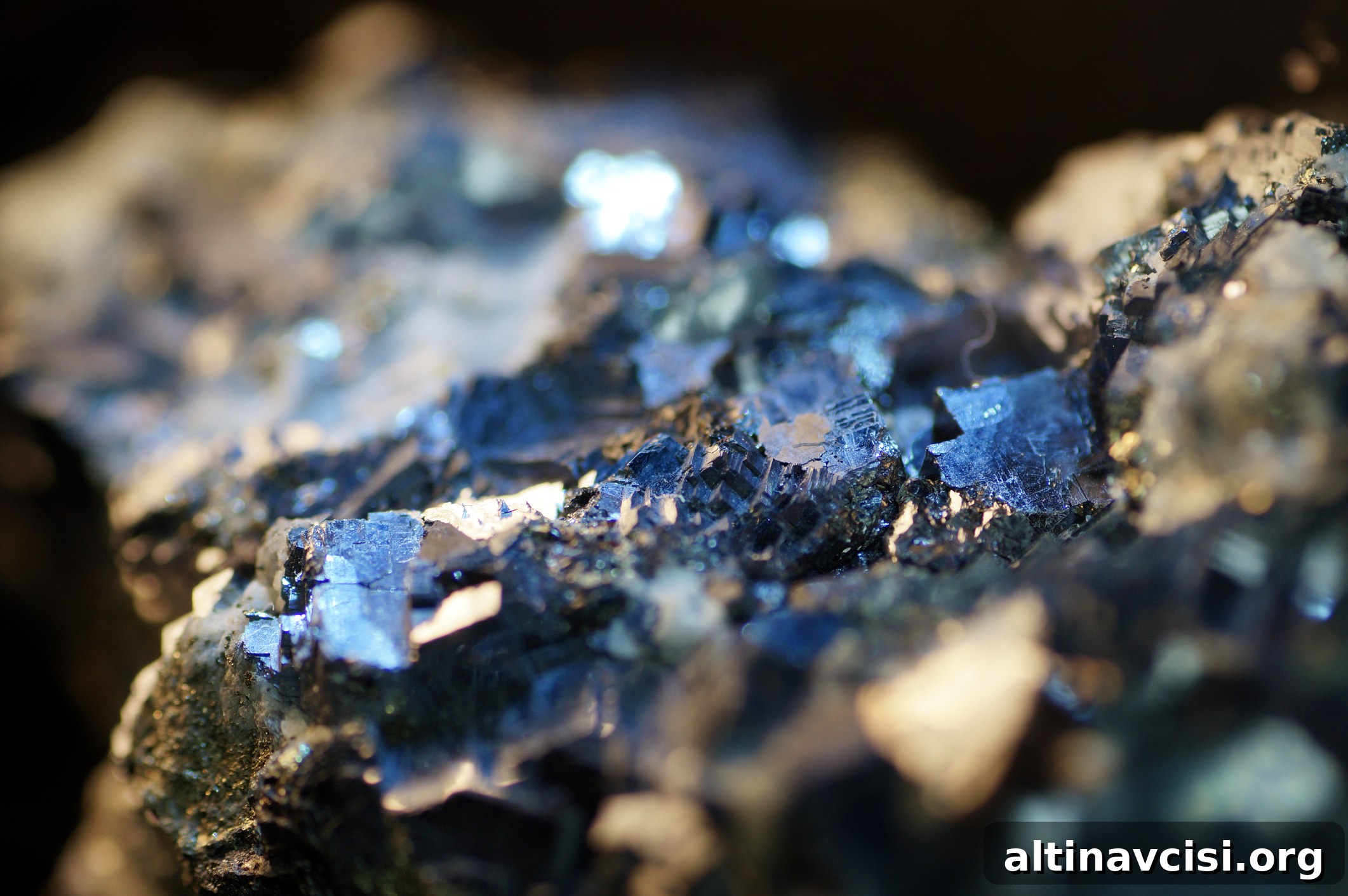
Rare earth elements are vital components in technologies ranging from electric vehicles to advanced defense systems, yet their scarcity is misleading: the real challenge is refining. Turning mined ore into usable metals requires an intricate, capital-intensive, and environmentally demanding process that creates a barrier far larger than raw material availability. While many regions mine rare earth deposits, the refining stage remains the crucial choke point.
China currently dominates refined rare earth production, responsible for over 90% of the world’s output at that stage. This dominance has been reinforced by state-backed support for Chinese refiners, enabling them to operate with very small profit margins and undercut competitors elsewhere. Those subsidies and favorable policies have helped build a resilient refining industry with economies of scale that are difficult for newcomers to match.
Outside China, mining companies typically focus on extraction and selling raw concentrates rather than investing in the expensive and technically demanding refining steps. For many Western miners, extracting ore and shipping it to an established processor is more profitable and less risky than building and operating chemical separation plants. That commercial logic, however, leaves importing countries exposed to supply-chain risks and geopolitical leverage.
Falling rare earth prices make the problem worse. When market prices decline, potential non-Chinese refiners face razor-thin or negative returns without government support, discouraging the private investment needed to build domestic refining capacity. Recognizing this vulnerability, governments in countries such as the United States, South Korea, and France have begun intervening with subsidies, guaranteed purchase agreements, and public–private partnerships to underwrite the capital costs and operational risks of refining facilities.
Despite these efforts, analysts remain cautious about how quickly the West can close the gap. The International Energy Agency projects that China could still control roughly 73% of refined rare earth production by 2040, even with policy measures elsewhere. That forecast reflects both the scale of China’s existing infrastructure and the long lead times, technical expertise, and environmental compliance required to expand refining capacity outside China.
If Western nations want a genuine pathway to supply-chain independence, policymakers may need to adopt a broader strategy. Options include stronger international collaboration among like-minded countries to coordinate investment and demand, strategic stockpiling of critical refined materials to buffer against disruptions, and incentives that target the full value chain—from mine development through refining and downstream manufacturing. Such measures would raise costs in the near term but could reduce long-term vulnerability to market swings and geopolitical pressure.
Building a sustainable, diversified refining base also requires addressing the environmental and technical challenges that initially discouraged investment. That means funding research into cleaner separation technologies, enforcing rigorous environmental standards across new facilities, and ensuring communities near processing plants are protected and benefit from economic development. With the right combination of public policy, private capital, and international cooperation, it is possible to reduce dependence on a single dominant supplier while maintaining the supply of materials that underpin modern clean-energy and defense technologies.