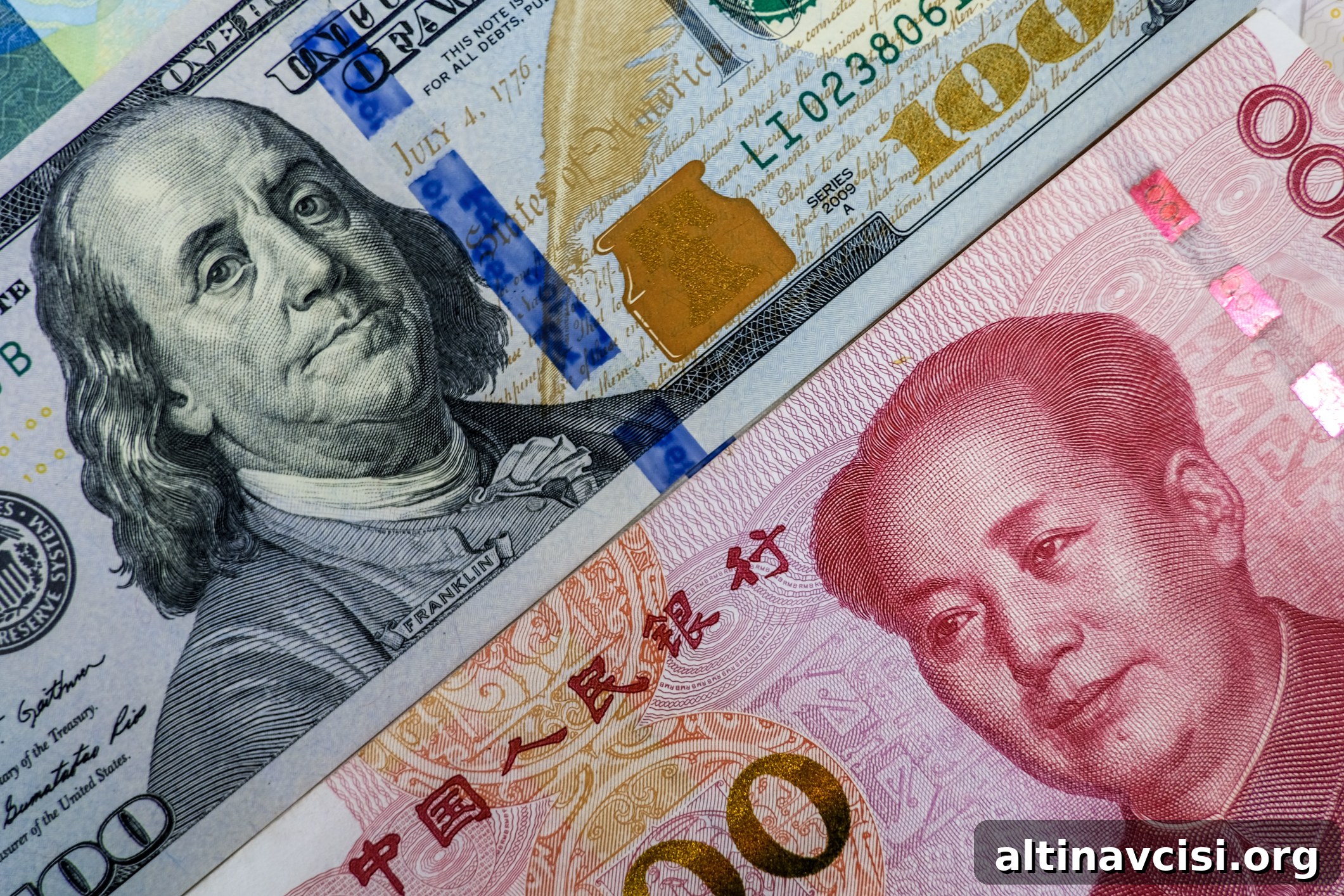
A major economic shift is underway as 13 countries move to reduce their dependence on the US dollar and increase the use of the Chinese yuan.
This trend of “de-dollarization” has added volatility to the dollar and contributed to a modest weakening of its value in foreign-exchange markets.
At the same time, the international use of the yuan is expanding across trade settlements, bilateral agreements and financial transactions, prompting discussion among economists and policymakers about whether the yuan could eventually challenge the dollar’s long-standing role at the center of global finance and trade.
Several factors are driving this change. Some countries seek to diversify foreign-exchange reserves and reduce exposure to US monetary policy and sanctions risk. Others aim to deepen trade and investment ties with China, which increasingly offers yuan-denominated financing and infrastructure investment. Regional currency swaps, local-currency trade settlements and yuan bond issuances are practical steps that many governments and companies are now adopting.
Although the shift is notable, analysts caution that a full-scale replacement of the dollar remains unlikely in the short term. The dollar benefits from deep and liquid financial markets, widespread investor trust, and the role of US Treasury securities as a global safe asset. The yuan faces hurdles such as capital controls, less-developed domestic financial markets, and limited convertibility—issues that complicate its broader adoption by global investors.
Still, the growing use of the yuan can have meaningful effects on global finance. Increased yuan transactions may reduce demand for dollar liquidity in certain regions and create alternative payment corridors that bypass dollar clearing systems. Over time, a larger yuan footprint could influence pricing, reserve management and the relative bargaining power of major economies in trade negotiations.
For policymakers, the emergence of alternative reserve currencies raises strategic choices. Countries pursuing de-dollarization must balance goals of financial autonomy and geopolitical hedging against the practical benefits of dollar-denominated trade and investment. Coordinated reforms in financial regulation, market infrastructure and currency convertibility would be necessary for the yuan to gain broader acceptance among sovereign and private investors.
Financial institutions and multinational corporations are already responding by enhancing foreign-exchange risk management, expanding currency-hedging strategies and offering yuan-denominated products. Central banks are monitoring changes in reserve composition and adapting their policy tools to manage exchange-rate and liquidity risks tied to a more multipolar currency landscape.
Ultimately, the shift toward greater yuan usage reflects a gradual rebalancing rather than a sudden collapse of dollar dominance. The pace and extent of any long-term change will depend on economic policies in China and the United States, the evolution of global trade patterns, and market confidence in alternative assets. For now, the trend highlights an important transformation in international finance—one that could reshape how currencies are used in trade, investment and reserve management over coming decades.