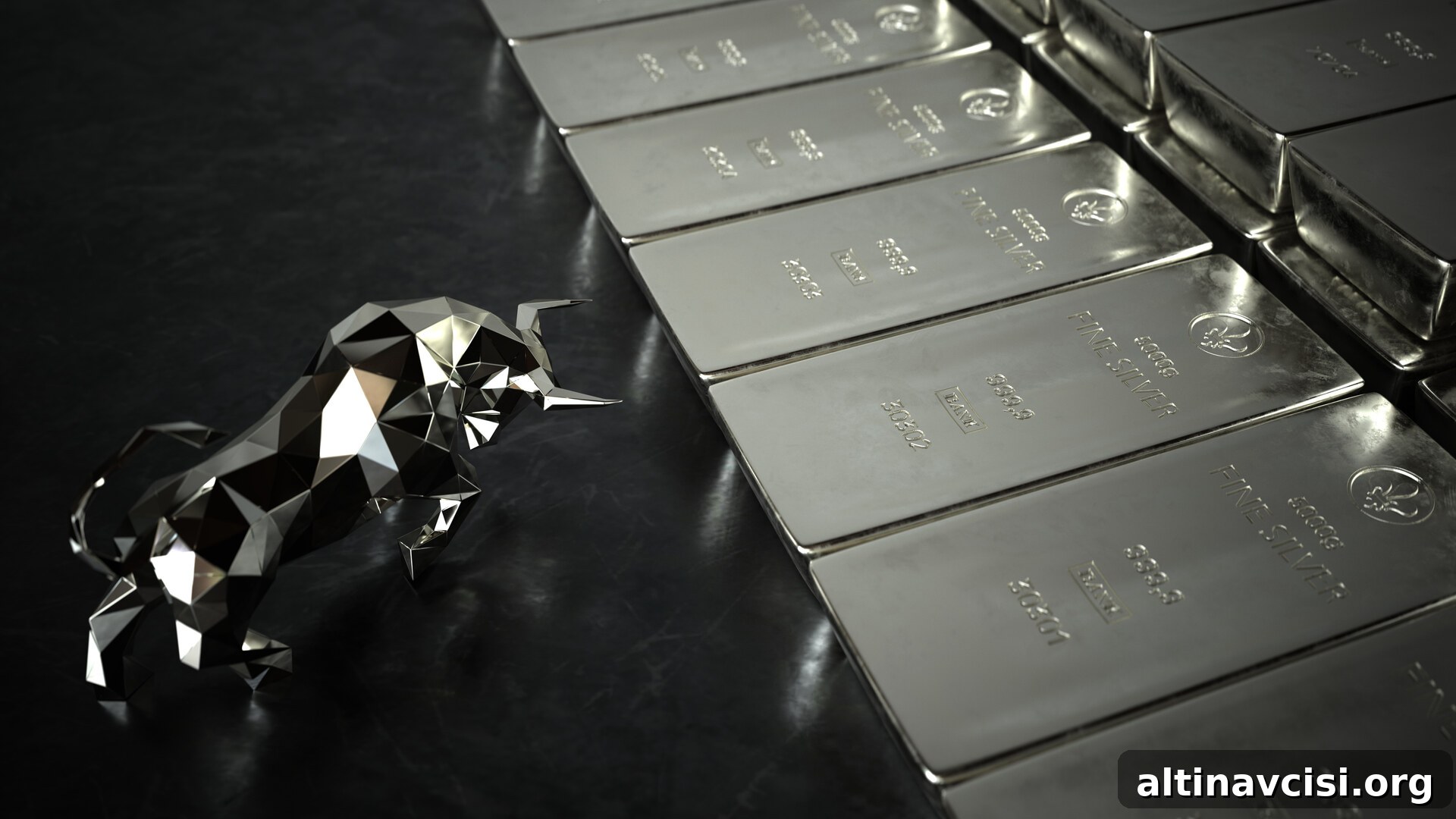
Silver has emerged as a notable performer in 2025, rising nearly 30% year-to-date and trading around $37.50 per ounce. While gold often attracts attention with record highs, silver’s dual role as a precious metal and a critical industrial input is driving renewed investor interest. This article examines the drivers behind silver’s advance and what investors should watch in the months ahead.
Below is a concise overview of supply and demand dynamics, key sectors consuming silver, expert forecasts, and the risks and opportunities that come with silver investing today.
Silver Market Today: Strong Momentum Builds
Silver started 2025 near $28.92 per ounce and climbed to approximately $37.44 by early August, a year-to-date gain approaching 30%. That steady rise reflects growing investor confidence amid persistent market deficits and expanding industrial demand.
The supply-demand balance remains tight. 2025 is expected to be the fifth consecutive year of a silver deficit, with an estimated shortfall near 149 million ounces. That continued deficit provides tangible support for higher prices despite silver’s well-known short-term volatility.
Since early 2024, silver has outperformed considerably, gaining more than 50% and attracting investors seeking both diversification and exposure to industrial growth.

Invest Now
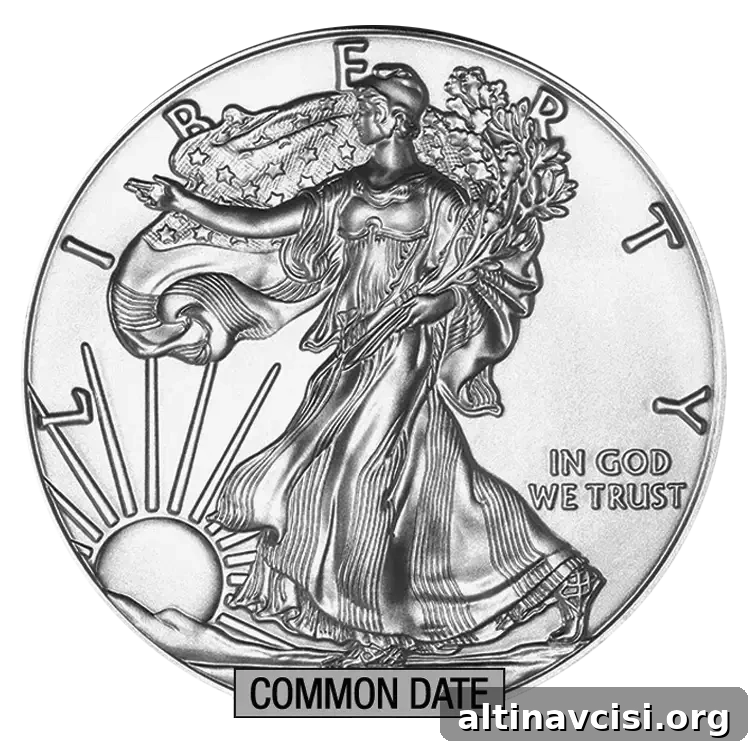
Invest Now
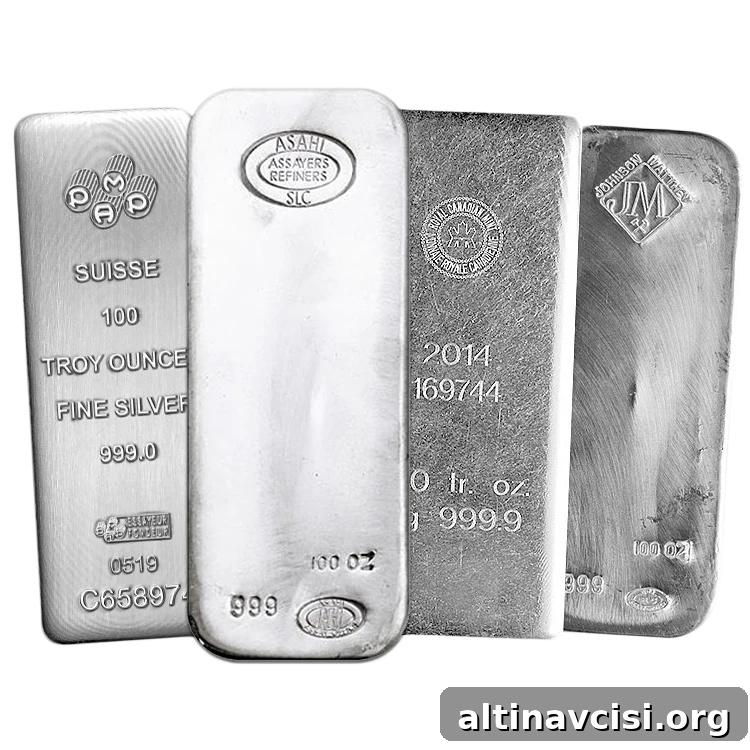
Invest Now
Invest Now
What’s Driving Silver’s Price?
Industrial Demand: The Power Behind the Metal
Silver’s industrial applications—especially in green technologies—are a major demand driver. Industrial fabrication is projected to grow this year, potentially topping 700 million ounces for the first time. Solar photovoltaic manufacturing remains a dominant source of demand, and global solar installations are forecast to set new records in 2025. Over the long term, some estimates suggest the solar sector could account for a very large share of available silver supply if current trends continue.
Automotive electrification and related infrastructure investments also sustain silver demand. Even if EV adoption experiences periodic slowdowns, continued electrification across vehicle systems and charging networks supports steady consumption.
Supply Constraints: Tightening the Market
Global silver supply has softened over the last decade, declining from roughly 1.07 billion ounces in 2010 to near 1.03 billion ounces by 2024. At the same time, demand has been rising, producing a pattern of deficits since 2021. Geographic and political risks—especially in major producing countries—can further restrict output and exacerbate shortages.
Economic and Sentiment Factors
Silver’s appeal as a tangible safe-haven has increased amid economic and geopolitical uncertainty. Policy shifts, tariff risks, and inflation dynamics influence investor sentiment. If real interest rates decline because inflation remains elevated while rate cuts are delayed, that environment generally benefits precious metals by lowering the opportunity cost of holding them.
Expert Predictions for Silver Prices in 2025
Several analysts and institutions are forecasting further upside for silver in 2025. For example, some market commentators expect returns in the mid-20% range this year, which would place silver near or above the $40-per-ounce mark. Other firms project targets between roughly $38 and $50 over the next 12–24 months based on tightening availability and rising industrial consumption.
While individual forecasts vary, the prevailing institutional view is broadly bullish, driven by constrained supply, accelerating industrial demand, and favorable macro trends that support precious metals.
Volatility in Silver: A Risk Worth Taking?
Silver is more volatile than gold, which means larger price swings in both directions. That volatility can deliver outsized gains when markets turn bullish—historical rallies have shown silver outperforming gold significantly in certain periods. However, higher upside potential comes with greater downside risk, so investors should consider time horizon, risk tolerance, and position sizing carefully.
Technical indicators suggest the bullish trend remains intact following recent corrections, and some market analysts view current levels as an attractive entry point for long-term investors seeking exposure to both the precious metal and industrial demand themes.
Is Now the Time to Invest?
Given the tightening fundamentals and growing industrial demand, many investors consider silver attractive in 2025. Moderate scenarios assume incremental gains this year, while more optimistic forecasts point to $40–$50 targets over the next 12–24 months. For investors pursuing diversification or targeting exposure to renewable energy and electrification trends, silver provides a compelling combination of precious metal characteristics and industrial utility.
That said, investors should assess their objectives and consult a qualified financial advisor before making allocation decisions, since past performance does not guarantee future results.
Investing in Physical Metals Made Easy
Final Thoughts: Silver’s Shining Future
Silver is transitioning from a traditional store of value into a strategic industrial metal for the clean-energy transition and broader tech applications. A combination of supply constraints, rising industrial demand, and supportive macro factors creates a favorable backdrop for price appreciation. Volatility will remain a feature of the market, but the fundamentals point to potential upside through 2025 and beyond.
Investors interested in silver should monitor supply trends, industrial demand growth—particularly in solar and electrification—and macro indicators such as real interest rates. Those elements will shape silver’s path in the months and years ahead.
This analysis reflects current market conditions and expert commentary. It does not constitute investment advice. Consult a qualified financial advisor before making investment decisions.