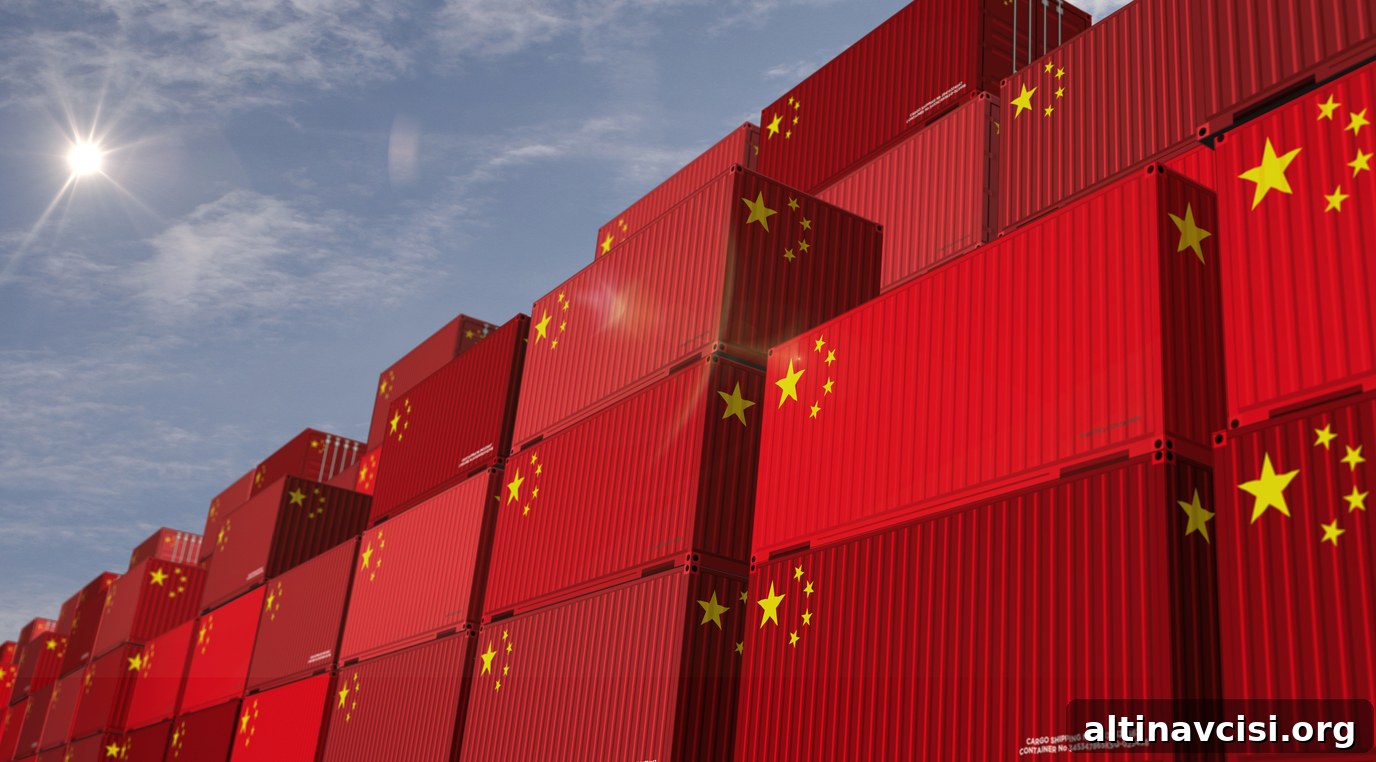
China’s central bank is under growing pressure to ease its strict control of the yuan as the prospect of US tariffs under the Trump administration threatens to weigh on exports. Policymakers must weigh the benefits of a weaker currency against the risks of capital flight and potential accusations of currency manipulation.
Analysts at ANZ Banking and Malayan Banking anticipate that the People’s Bank of China (PBOC) could allow the yuan’s daily midpoint, or “fix,” to weaken beyond the closely guarded 7.20 per US dollar threshold that Beijing has defended since the 2016 US presidential election. The offshore yuan has already fallen as low as 7.3734, its weakest level since October 2022, before recovering modestly after signals from Washington that it might be open to negotiation.
Goldman Sachs has suggested that the onshore yuan could drop further to the 7.4–7.5 range, implying a potential decline of roughly 3.4% from recent levels. A depreciating currency can provide some relief to exporters by making Chinese goods cheaper abroad, partially offsetting the competitive impact of tariffs. However, deliberate or rapid depreciation carries trade-offs: it can trigger capital outflows, undermine investor confidence, and invite diplomatic backlash from trading partners who may allege competitive devaluation.
The global backdrop remains volatile and responsive to political developments. For example, the Mexican peso and the Canadian dollar staged recoveries after Washington postponed tariffs on Mexico and Canada following border-control agreements, illustrating how quickly currency markets can react to policy shifts and negotiations. Reports indicate that Beijing intends to avoid competitive devaluation, a sign that Chinese authorities are conscious of both economic and geopolitical consequences.
Managing exchange rates in this environment requires a delicate balance. Allowing a gradual, market-driven depreciation could help support exporters without provoking a damaging capital flight or severe international criticism. At the same time, strict controls risk placing additional strain on trade-sensitive firms if tariffs reduce demand for Chinese goods.
In short, the PBOC faces a complex policy choice: loosen the reins on the yuan to mitigate tariff pressures on exporters, or maintain a tight fix to preserve financial stability and fend off accusations of manipulation. The ultimate approach will depend on the speed and scale of US trade measures, domestic economic conditions, and how aggressively Beijing prioritizes stability over short-term trade competitiveness.