Is silver a good investment? Why should someone buy it?
It’s reasonable for any investor to ask whether silver belongs in their portfolio. Silver’s market is smaller than gold’s and it lacks the same prestige, so many people overlook it. Yet today there are several compelling reasons to hold physical silver—not just because prices might rise, but because silver offers distinct, practical benefits that complement many investment strategies.
Below are ten clear reasons why investors should consider adding some physical silver bullion to their holdings.
#1 Silver Is Real Money
Silver may no longer circulate as everyday coinage, but it remains a form of money with intrinsic value. Unlike paper currency or digital balances, physical silver cannot be created at will by governments or banks, so it doesn’t suffer the same debasement risk. The protection comes from holding tangible metal—not ETFs, certificates, or futures contracts, which are paper-based and carry counterparty risk.
Owning physical silver means:
- No counterparty risk. You are not dependent on another party to honor a promise to deliver value.
- No default risk. Physical metal cannot default like bonds or loans can.
- Long history as money. Silver has been used in coinage and trade across cultures for millennia.
As noted by proponents of precious metals investing, gold and silver have repeatedly revalued themselves during times when fiat currencies weakened. Holding a portion of your wealth in physical silver preserves an asset that has served as money for thousands of years.
#2 Physical Silver Is a Hard Asset
In an era of digital trading, electronic accounts, and electronically created money, physical silver stands out as a tangible asset you can hold, store privately, and transport if necessary. Physical coins or bars are immune to cyberattacks and electronic erasures. A physical silver coin cannot be deleted from a server or hacked away.
#3 Silver Is Affordable
Silver offers a low-cost path into precious metals. Priced at a fraction of gold—roughly 1/65th at times—silver allows investors to acquire hard assets without the steep cost of gold. For many people, silver provides the most practical way to own physical precious metal, whether for portfolio diversification or gift-giving.
#4 Silver Works Better for Small, Everyday Transactions
Because silver is commonly available in smaller denominations, it’s more practical for meeting modest cash needs. Selling a fraction of your holdings is easier with silver than with larger, more expensive gold units. That liquidity in small amounts makes silver useful as an accessible store of value.
#5 Silver Can Outperform Gold in Bull Markets
Silver’s smaller market size makes it more volatile than gold. That volatility cuts both ways: silver typically falls more than gold in downturns but can rise much faster during bull markets. Historical bull markets show silver’s larger percentage gains versus gold, demonstrating its potential for outsized returns when demand surges.
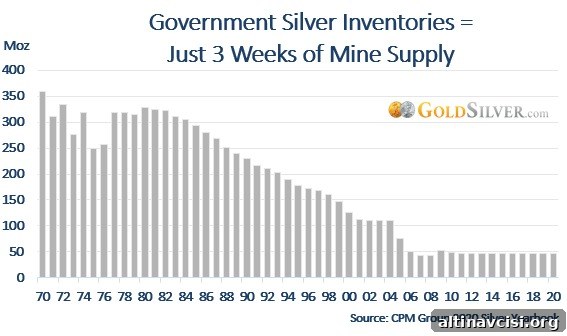
#6 Government Silver Inventories Have Declined
Global government and institutional silver stockpiles have fallen significantly over recent decades. Today, official holdings represent only a tiny fraction of annual mine supply. With lower government inventories and limited warehousing concentrated in a few countries, available official supply is much tighter than in the past.
#7 Industrial Demand Is Growing
Silver has many industrial uses thanks to its conductivity, reflectivity, and chemical properties. It appears in electronics, medical devices, batteries, solar panels, and many industrial processes. Industry now consumes a substantial share of annual silver demand, and several trends are increasing that demand:
- Consumer electronics: Small but ubiquitous amounts of silver are used in smartphones and other devices.
- Electric vehicles: EVs require significantly more silver per vehicle than traditional cars, and EV adoption is rising.
- Solar power: Photovoltaic cell production has driven large growth in silver consumption as solar installations have become far cheaper and more widespread.
- Catalysts and chemicals: Silver is used in chemical production processes where demand is projected to rise.
Because much industrial silver is consumed during manufacturing or discarded in products that are not cost-effective to recycle, a portion of industrial demand permanently reduces the available supply.
#8 Mine Supply Is Under Pressure
After the silver price collapse following its 2011 peak, mining companies cut costs and reduced spending on exploration and development. Lower exploration spending translates to fewer future discoveries and a constrained pipeline of new production. Additionally, a significant share of silver supply is produced as a byproduct of base metal mines; when those operations scale back, silver output can decline as well. Lower prices also reduce incentives to turn in scrap silver, further tightening available supply.
#9 Global Demand Is Rising
Global demand for silver has increased despite economic disruptions. Retail and investment interest in physical silver has set records in many markets, and countries with strong cultural preferences for precious metals—such as China—continue to drive demand. When rising demand meets constrained supply, market dynamics tend to favor higher prices for holders of the metal.
#10 The Gold/Silver Ratio Can Favor Silver
The gold-to-silver ratio (the price of gold divided by the price of silver) is a metric investors use to gauge relative value. Historical averages suggest the ratio has room to compress in favor of silver, especially when it reaches elevated levels. During past bull markets the ratio has fallen sharply as silver outperformed gold, signaling potential upside when silver is undervalued relative to gold.
In summary: Taken together, scarcity of official inventories, rising industrial demand, constrained new supply, and silver’s affordability and portability make a persuasive case for holding some physical silver as part of a diversified portfolio. It’s not a universal hedge in every scenario—silver’s industrial exposure can reduce its performance in sharp economic downturns—but its monetary properties and unique market dynamics support its role as a long-term store of value.
How to Invest in Silver
Buying physical silver is relatively straightforward. Investors can purchase coins and bars through local dealers or online dealers. Online sellers often have lower overhead and may include shipping and insurance for modest minimum orders. After purchase, buyers can opt to have metals shipped to their address or stored in secure vaults offered by reputable providers. For those who prefer to accumulate gradually, many dealers offer programs to buy silver in small, regular increments.
Is Silver Always a Good Investment?
Silver does not always outperform other assets. Because a significant portion of its demand is industrial, silver can lag gold during recessions when industrial activity falls. However, the long-term structural trends outlined above—supply constraints, growing industrial uses, and historical monetary characteristics—support silver’s role as a strategic asset. For investors seeking tangible protection against currency debasement and a complement to gold and other holdings, a measured allocation to physical silver can be an appropriate component of a diversified portfolio.