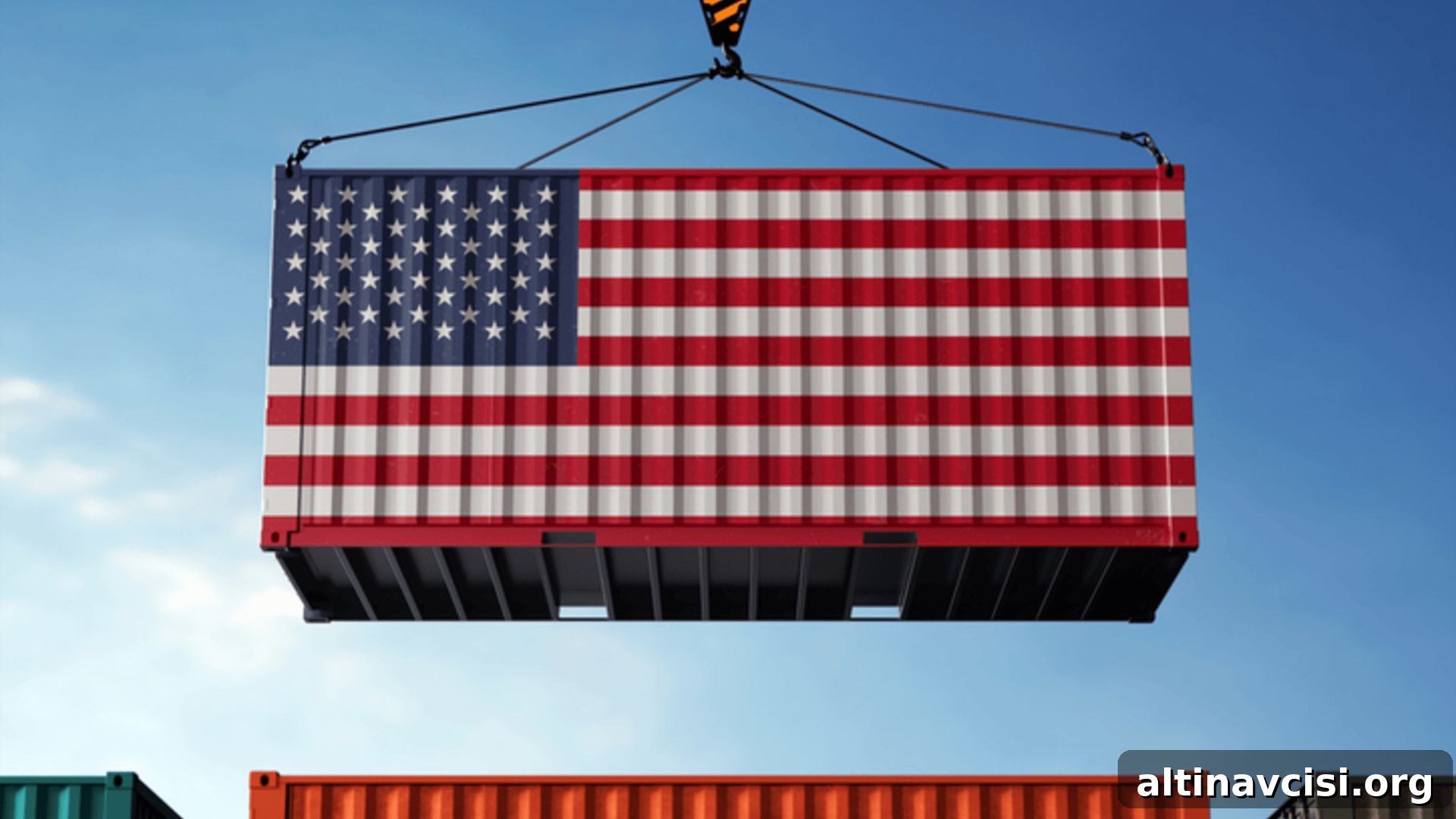
As President Trump’s new metal tariffs take effect, U.S. companies are shifting supply chains away from traditional North American partners toward suppliers in the Middle East and South America.
The administration’s measures impose a 25% tariff on imports from Mexico and Canada and a 10% levy on goods from China. Those changes are already reshaping the aluminum market, where Canada has historically provided about 56% of U.S. imports—roughly 3.08 million metric tons per year.
Analysts expect the tariffs to push prices higher. The U.S. Midwest premium for aluminum could rise substantially, with some forecasts indicating it might double to roughly 50 cents per pound. Large producers such as Alcoa are reportedly examining options that include redirecting Canadian material to European markets while increasing purchases from producers in the UAE, Bahrain, and India.
The impact extends beyond aluminum. Copper and silver markets are preparing for supply adjustments as well, with Peru and Chile positioned to play a larger role as alternative exporters to the United States. Market observers caution that these shifts may not be straightforward: companies face logistical challenges, long-term contract commitments, and the time required to reconfigure supply chains.
Experts also warn of policy uncertainty. Additional tariff expansions or further changes in trade policy could alter the economics of any new sourcing arrangements, meaning firms must balance near-term responses with flexible long-term strategies. Some manufacturers may seek to absorb higher costs temporarily, while others will accelerate diversification efforts to reduce exposure to tariff volatility.
For U.S. downstream industries that rely on imported metals—such as automotive, aerospace, and packaging—the higher input costs could feed through to production expenses and, ultimately, consumer prices. Companies that can secure alternate sources with competitive pricing and reliable logistics stand to gain an advantage, while those tied to traditional North American supply chains may face margin pressure.
Logistics and infrastructure considerations will also influence how quickly new trade patterns take hold. Ports, warehousing capacity, and inland transport networks will need to adjust to different shipping routes and suppliers. Investment in new facilities or expanded partnerships with foreign producers could accelerate the transition, but those steps require capital and time.
In sum, the tariffs are prompting a notable reorientation of metal supply chains toward the Middle East and South America, with significant implications for prices, trade flows, and industry strategy. Businesses are evaluating options to mitigate cost impacts and maintain supply resilience amid continuing uncertainty about future trade policy developments.