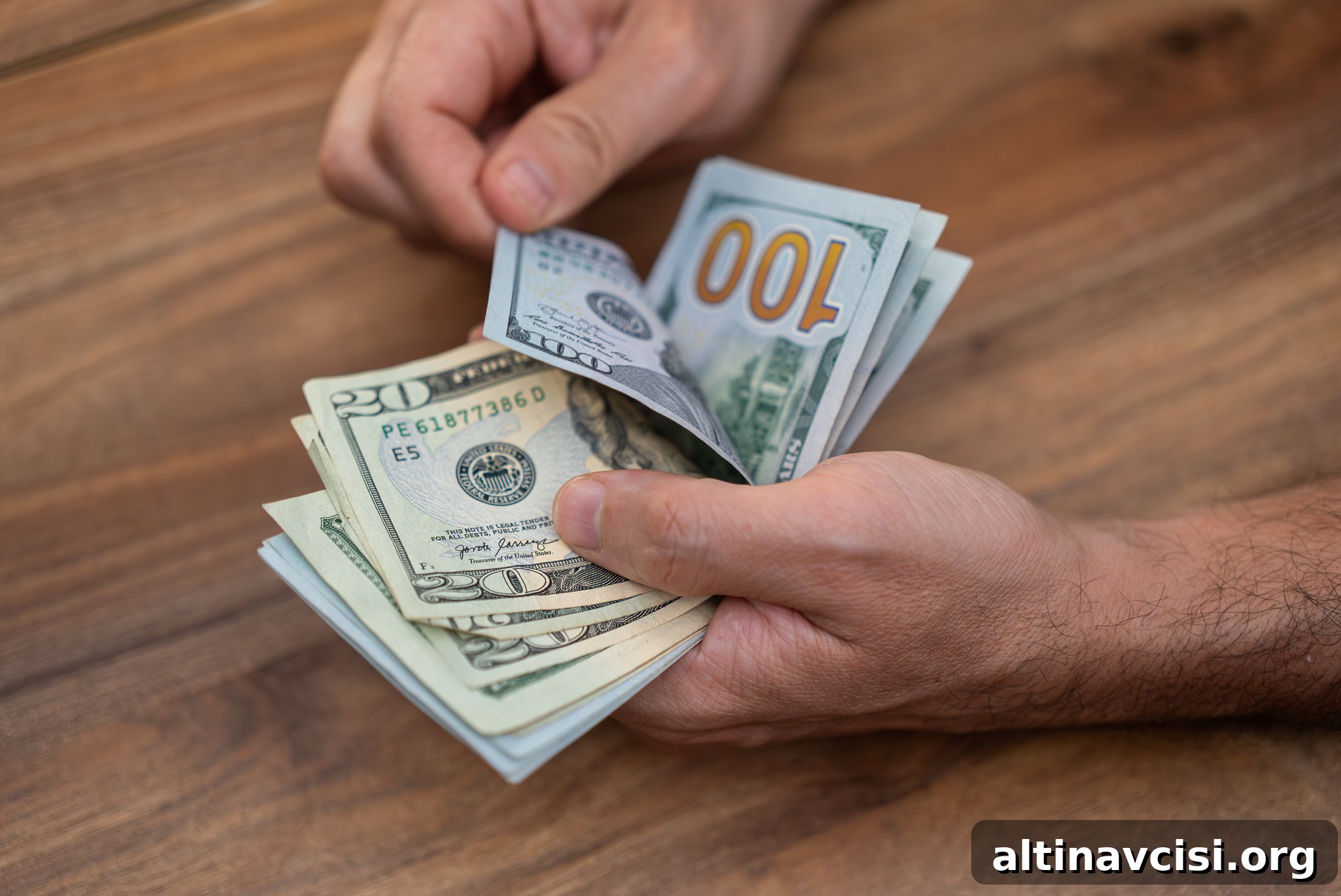
After a brief rally on Wednesday prompted by President Trump’s more conciliatory remarks about China and comments from the Federal Reserve, the U.S. dollar resumed its decline on Thursday.
Officials in Beijing clarified that no formal trade negotiations had taken place, and reiterated calls for the United States to lift tariffs. That clarification tempered investor optimism and undercut hopes of a quick resolution to trade tensions.
The dollar has fallen nearly 5% in April, driven in part by expectations that non-U.S. investors will reduce their exposure to dollar-denominated assets. Economists say those flows, combined with shifts in global interest rate expectations, could keep downward pressure on the currency in the near term.
At the same time, several other currencies gained ground against the dollar as traders adjusted positions and responded to mixed signals about policy and trade. Currency markets reflected a broader recalibration of risk, with investors looking for alternatives to dollar assets.
In a separate market development, a cryptocurrency associated with President Trump’s branding jumped about 33% after social media promotion tied to a gala dinner featuring the president. The surge highlighted how political events and high-profile endorsements can drive rapid, short-term moves in digital-asset markets.
Overall, the combination of ambiguous diplomatic signals, evolving monetary expectations, and active repositioning by investors has contributed to the dollar’s recent weakness. Market participants will be watching for any new statements from policymakers or shifts in trade rhetoric that could influence currency and asset flows in the weeks ahead.