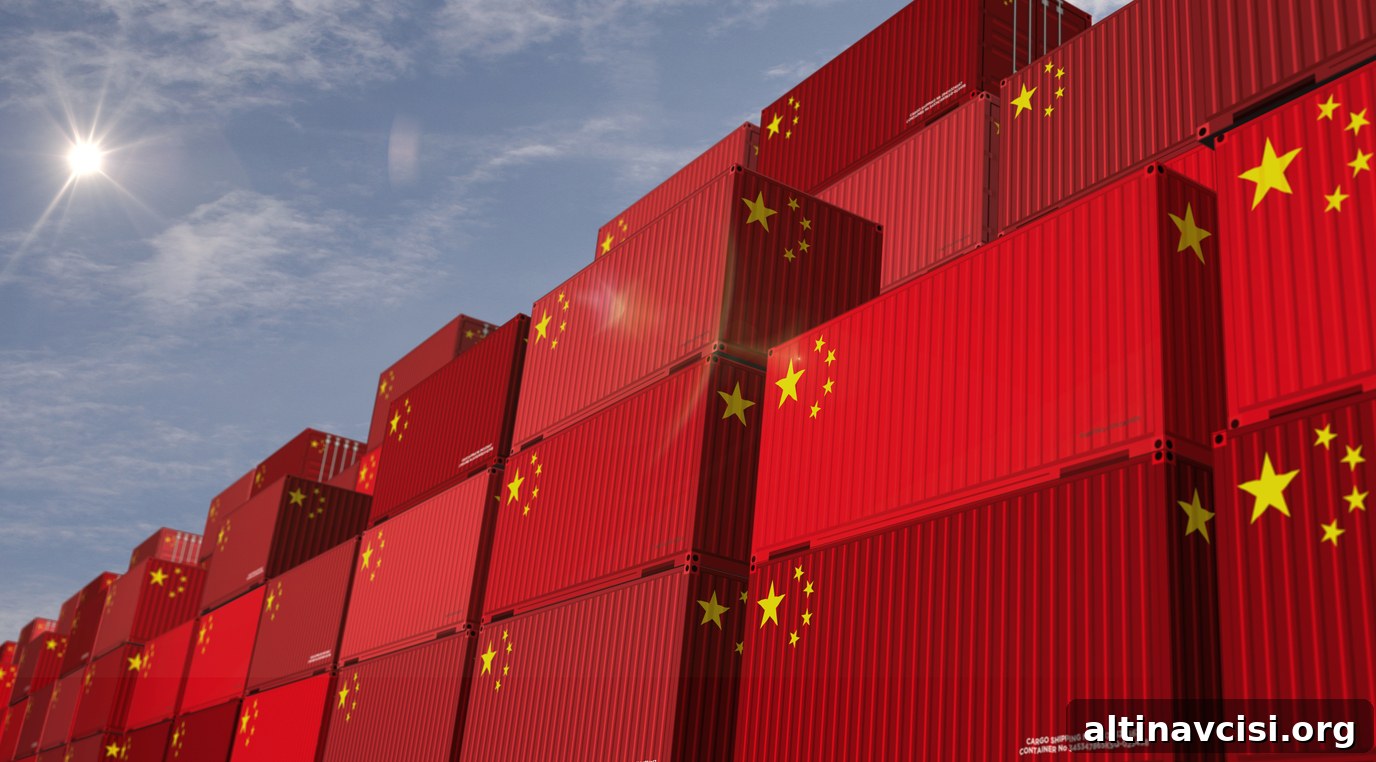
China has responded to President Trump’s decision to raise tariffs on a broad range of imports by imposing matching duties on goods from the United States, intensifying a dispute between the world’s two largest economies. The reciprocal tariffs mirror Washington’s 84% increase on selected imports, and together they represent a significant escalation in trade tensions that are already reverberating through global markets.
With the latest measures in place, the effective tariff rate applied to certain Chinese exports to the United States now surpasses 104% when aggregated across multiple levies. Beijing’s State Council condemned the move, describing it as “a mistake upon mistake” and warning that such unilateral tariff hikes undermine the rules and stability of the international trading system. The statement emphasized concerns about the broader consequences of prolonged trade confrontation for global supply chains and economic growth.
China’s response has gone beyond simply mirroring tariff increases. The government has announced export controls affecting a dozen U.S. companies, citing national security and supply-chain concerns as the basis for restrictions on certain high-tech materials and components. In addition, Chinese authorities have prohibited six American firms from engaging in trade or investment activities within China. These non-tariff measures signal a more targeted, strategic approach that could complicate commercial relationships in strategic sectors.
In parallel with its domestic measures, China has formally challenged the U.S. action at the World Trade Organization. Filing a WTO complaint allows Beijing to pursue a legal avenue for resolving the dispute and to argue that Washington’s tariffs violate established international trade rules. The move also serves to draw global attention to the conflict and to build diplomatic and legal pressure on the United States.
U.S. officials have responded with a mix of rhetoric and economic argument. Treasury Secretary Bessent downplayed the impact of China’s actions, arguing that a prolonged trade war would inflict greater damage on China because its economy is highly dependent on exports to the U.S. market. He suggested that sustained retaliation risks disrupting export-driven growth, weakening Chinese manufacturing, and imposing broader economic costs on Beijing’s domestic agenda.
Analysts note that trade disputes of this scale produce winners and losers across many sectors. Export-oriented firms, farmers, and manufacturers in both countries face immediate disruptions from tariff measures. Consumers may experience higher prices for imported goods, while companies that rely on integrated global supply chains could see costs rise and production schedules altered. Over time, persistent protectionist measures may accelerate efforts by multinational firms to diversify supply sources and to relocate parts of production to avoid tariff exposure.
Observers also point to the ambiguous effects of export controls and investment restrictions. Targeted blacklists or bans may slow technology transfers and complicate corporate planning, but they also risk prompting reciprocal measures that further constrict market access and cooperation in key industries. The use of WTO dispute settlement processes indicates both sides are seeking international validation of their positions, even as they continue to apply unilateral tools at home.
As the dispute develops, market participants are watching for signs of negotiation or de-escalation. Diplomatic channels, multilateral pressure, and domestic political calculations in both countries will influence whether the conflict intensifies or moves toward compromise. For businesses and consumers, the immediate priority is managing risk: adjusting supply chains, reassessing tariff exposure, and monitoring regulatory developments that could affect trade and investment flows.
Ultimately, the trajectory of the relationship will depend on whether policymakers in Washington and Beijing prioritize short-term leverage or broader stability. Prolonged tit-for-tat measures risk entrenching trade barriers that could be costly for global economic recovery, while constructive engagement could restore more predictable rules for cross-border commerce. Until then, companies, investors, and governments will need to navigate an uncertain environment shaped by high tariffs, targeted restrictions, and competing legal claims at the WTO.