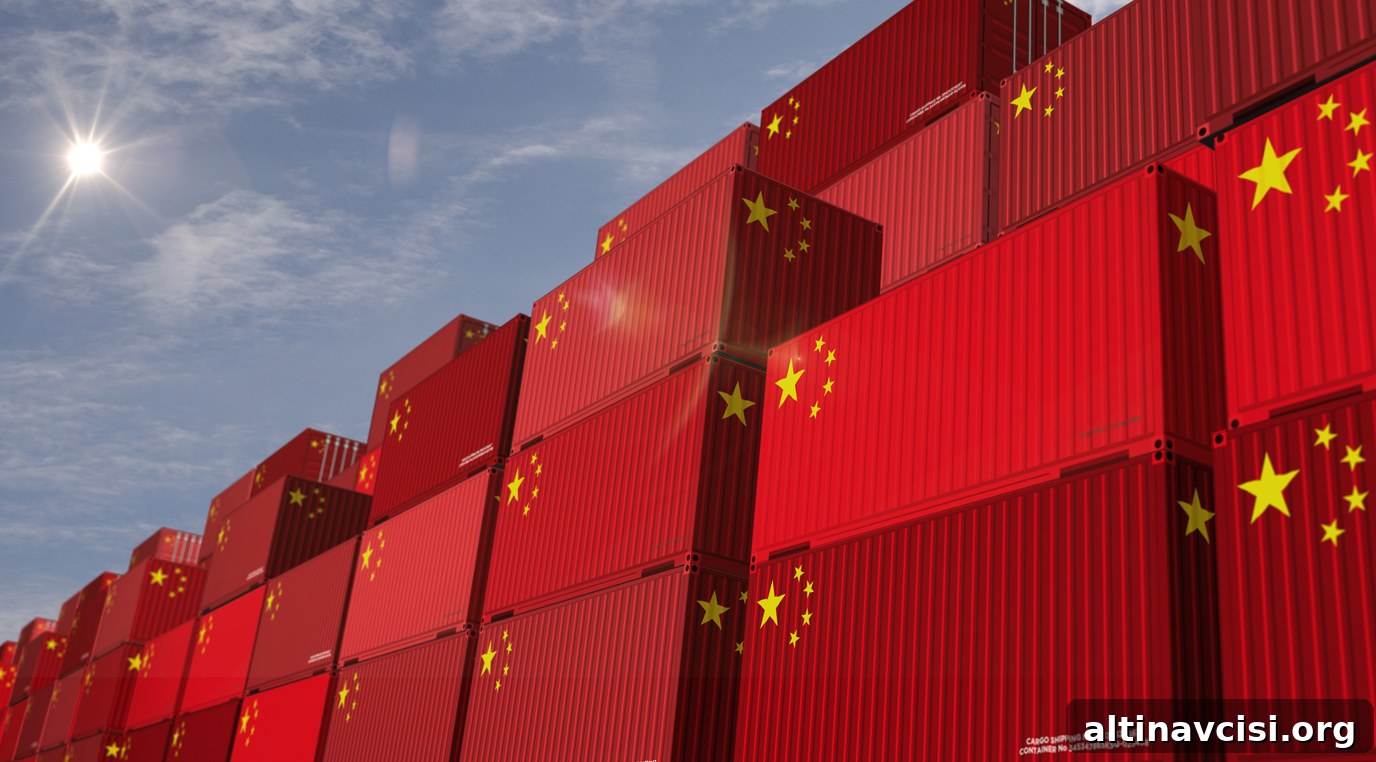
The aftermath of the first Trump trade war has reshaped global commerce in unexpected ways. Between 2018 and 2024, China reduced its exposure to US trade, with its share falling from 15.7% to 10.9% of total US trade. At the same time, Beijing has strengthened economic ties with Southeast Asian nations and with Russia, diversifying its trade relationships beyond the United States.
As Chinese companies sought to avoid tariffs, many relocated production or shifted supply chains to alternative manufacturing hubs such as Vietnam and Mexico. Those countries have since become major US trading partners, absorbing much of the manufacturing activity previously concentrated in China. That transition has benefited exporters and created new investment opportunities, but it has also introduced fresh vulnerabilities for recipient economies.
China’s bilateral trade surplus with the United States remains the largest in the world, yet it has narrowed under the pressure of lasting Trump-era tariffs and continued US restrictions on technology exports. Those policy tools have curbed some trade flows and encouraged multinational firms to rethink where they make and ship goods, accelerating the diversification away from China.
At the same time, trade surpluses with the United States have grown for countries such as Mexico, Vietnam, and Canada. Larger surpluses have made these economies more exposed to the prospect of sudden trade policy shifts. Mexico and Canada in particular face heightened political scrutiny: rhetoric and threats of tariffs tied to issues like immigration and cross-border crime have repeatedly raised the risk that economic ties could be used as leverage.
This reorientation of global supply chains illustrates how protectionist measures can produce unintended consequences. Policies designed to punish one partner can spur businesses to reallocate production across multiple countries, reshaping regional trade balances. As China retreats somewhat from direct trade with the United States, middle-income countries that absorbed the diverted manufacturing have seen faster export growth — and with it, greater exposure to geopolitical and trade-policy swings.
For policymakers and businesses, the challenge now is twofold. Governments receiving increased manufacturing investment must manage rapid industrial expansion while building resilience against potential future trade disruptions. That includes investing in infrastructure, workforce training, and regulatory frameworks that support stable, diversified export markets. For US firms and global multinationals, supply-chain planning must weigh political risks alongside costs and efficiencies, recognizing that nearshoring or friendshoring decisions carry strategic as well as commercial implications.
In sum, the first trade war prompted a durable reconfiguration of international trade: China’s share of US trade has declined, its commercial relationships have diversified, and several regional partners have risen to fill the manufacturing gap. Those shifts have broadened options for global commerce but also introduced new concentrations of risk, underscoring the complex interplay between trade policy and corporate strategy in an increasingly interconnected economy.