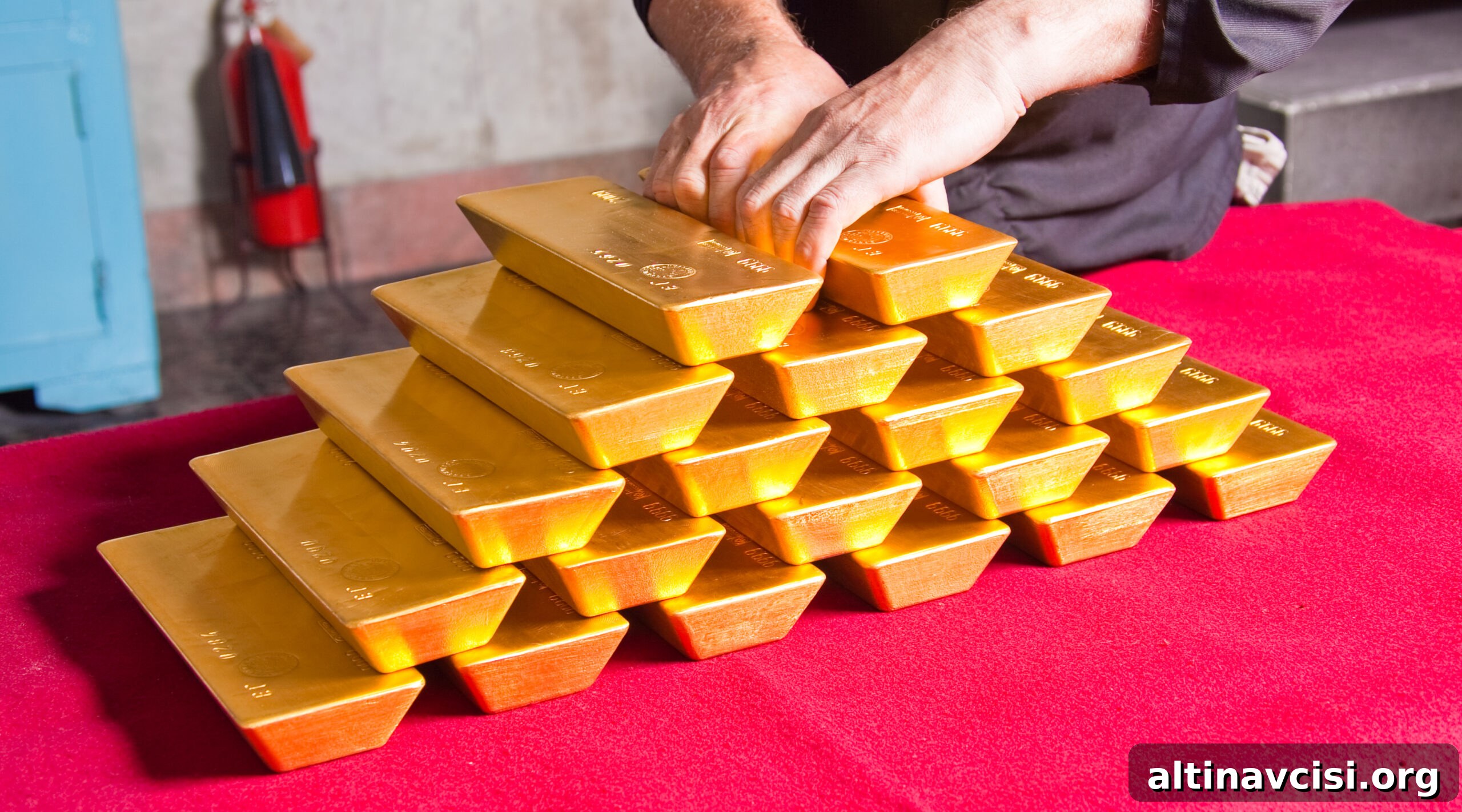
In Istanbul’s 560-year-old Grand Bazaar, shopkeepers and money changers are experiencing a wave of anxiety as many Turks rush to convert rapidly depreciating lira into dollars, gold, and other more stable assets.
The Turkish lira has lost more than 80% of its value over the past five years, a decline tied largely to President Erdoğan’s unconventional economic stance, especially his insistence that the central bank lower interest rates even as inflation rose sharply. That policy mix has eroded confidence in the currency and prompted widespread demand for alternatives that preserve purchasing power.
Following a narrowly decided election, Erdoğan installed new economic officials, but their cautious measures have not yet brought lasting stability to the exchange rate. Traders in gold and foreign currency say they are exhausted by the constant swings in the market—business is heavy, yet the strain of volatility takes a toll. Industry estimates indicate Turkish households may hold between $200 billion and $300 billion in privately hoarded gold, reflecting a long-standing cultural and financial preference for metal as a store of value in uncertain times.
Government efforts to stem the exodus from the lira include regulations that require certain businesses and financial institutions to keep a portion of their assets in the local currency. Nevertheless, ordinary citizens continue to seek safe havens for their savings, turning to hard currency, bullion, and other assets perceived as less vulnerable to rapid depreciation.
The situation in marketplaces such as the Grand Bazaar highlights the human side of macroeconomic stress: shop owners face pricing difficulties, money changers manage long queues and volatile spreads, and families adjust spending and saving habits as they try to protect their wealth. While policymakers debate tools and timelines for recovery, many Turks are acting now to reduce exposure to a currency whose purchasing power has eroded significantly in recent years.
Until confidence in policy direction and inflation control returns, demand for dollars, gold, and alternative stores of value is likely to remain strong. The ongoing dynamic underscores the broader challenge facing Turkey’s economy: restoring credibility to monetary policy while addressing the immediate needs of households and businesses that depend on stable prices and a reliable currency.