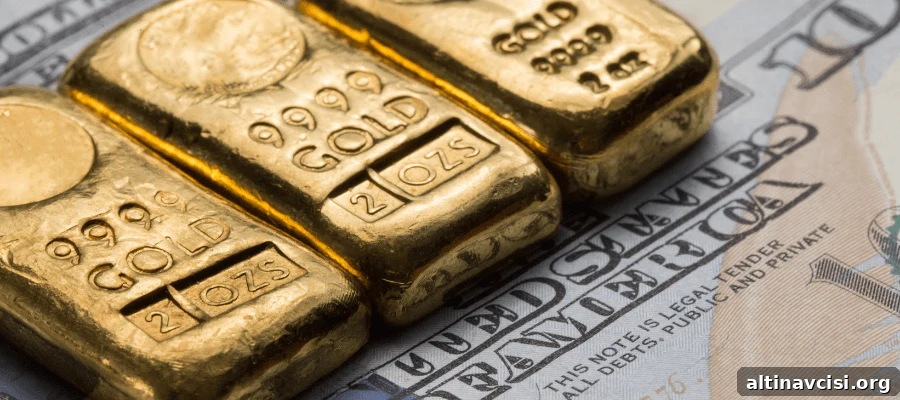
Gold rebounded to $3,255.59 per ounce as investors shifted their attention to upcoming U.S. inflation data that could influence interest-rate expectations and precious-metal demand.
Earlier, the metal dropped after the United States and China announced a 90-day agreement to reduce certain tariffs. Under the deal, some U.S. duties on Chinese goods fell from as high as 145% to roughly 30%, while China cut many levies to about 10%. The move initially boosted the dollar and pushed up Treasury yields—both factors that typically weigh on gold prices.
Despite the initial market reaction, many investors remain cautious because the agreement lacks detailed terms and a clear path beyond the 90-day window. That uncertainty has kept demand for haven assets like gold under review.
Market pricing currently reflects expectations for only two Federal Reserve rate cuts in 2025. Because gold does not pay interest or yield, a tighter outlook for future rate reductions can restrain its appeal compared with interest-bearing assets, limiting upside potential for bullion unless inflation or real rates shift materially.
In the near term, analysts and traders will be watching incoming U.S. inflation readings closely. Stronger-than-expected inflation could bolster gold by weakening the dollar and reducing real yields, while softer inflation might further support the case for higher-for-longer rates, pressuring the metal. As such, gold’s path remains tied to a mix of macroeconomic data, central-bank guidance and evolving trade developments.