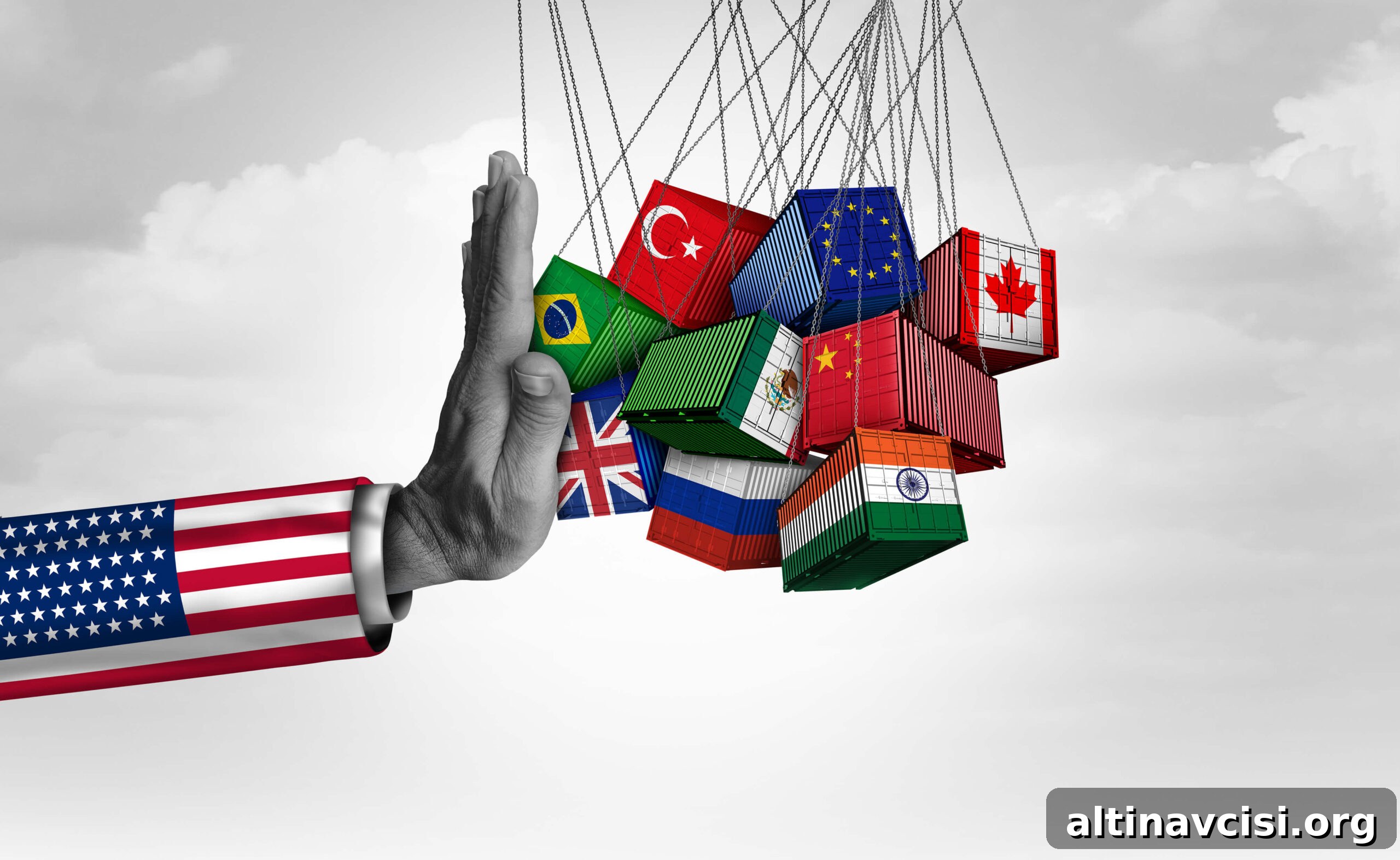
President Trump has announced plans to notify more than 150 countries about a new, standardized tariff rate—reported to be around 10% or 15%—as part of a broad expansion of his trade agenda. These notifications, expected to be distributed soon, will inform recipient countries that the proposed tariffs will be implemented unless new trade agreements are reached before the August 1 deadline.
Administration officials present the notices as an effort to create clearer, uniform rules for imports, but the announcement has left many affected nations—particularly smaller economies—scrambling to assess the economic impact and negotiate exemptions or new terms. For some countries, the letters serve as a formal warning and a fixed timeline to respond or negotiate; for others, they are a disruptive development that complicates existing trade relationships.
Economists have offered mixed reactions. Some say a single standardized tariff could provide a degree of predictability compared with a patchwork of sector-specific duties, potentially simplifying compliance for businesses and customs authorities. Others caution that imposing a blanket rate risks increasing volatility by making trade policy more abrupt and less tailored to individual trading partners’ circumstances. The uncertainty may prompt companies to reassess supply chains, pricing, and sourcing decisions.
Major U.S. trading partners, including the European Union and Canada, face an ambiguous position in this plan. While the announcement focuses largely on smaller economies, there is concern that larger allies could also see higher tariffs or retaliatory measures if formal exemptions are not negotiated. That uncertainty has contributed to market unease, with investors and industry groups warning that broader tariff actions could slow global economic activity and raise costs for consumers and businesses.
Officials from some affected countries have already begun preliminary talks with U.S. trade representatives, seeking clarity on the scope of the proposals and opportunities for exemptions or phased adjustments. Negotiations are likely to center on vulnerable sectors, long-standing trade relationships, and national economic interests. Diplomats and trade advisors are expected to press for carve-outs for critical goods and for transitional arrangements that reduce immediate disruption.
Business groups in the United States and abroad are watching closely. Exporters in industries reliant on integrated supply chains—such as electronics, automotive, and agriculture—warn that new tariffs could increase input costs and undermine competitiveness. Conversely, some domestic producers that compete with imported goods have signaled support for higher tariffs, arguing they would level the playing field and protect local jobs.
Beyond economics, the move has political implications. The administration frames the effort as prioritizing American manufacturing and fair trade, while critics argue that broad tariffs risk alienating allies and sparking retaliatory measures that could harm diplomatic ties. The outcome of upcoming negotiations will shape how trading partners and markets respond in the weeks ahead.
For now, the August 1 deadline looms as countries weigh options: accept the proposed tariff, seek negotiated exemptions, or prepare for a new import regime. The results will determine whether the announcements lead to lasting trade reforms, short-term disruption, or a mix of both.