Daily News Nuggets | Today’s top stories for gold and silver investors
October 20th, 2025
Gold Catches Its Breath Around $4,300
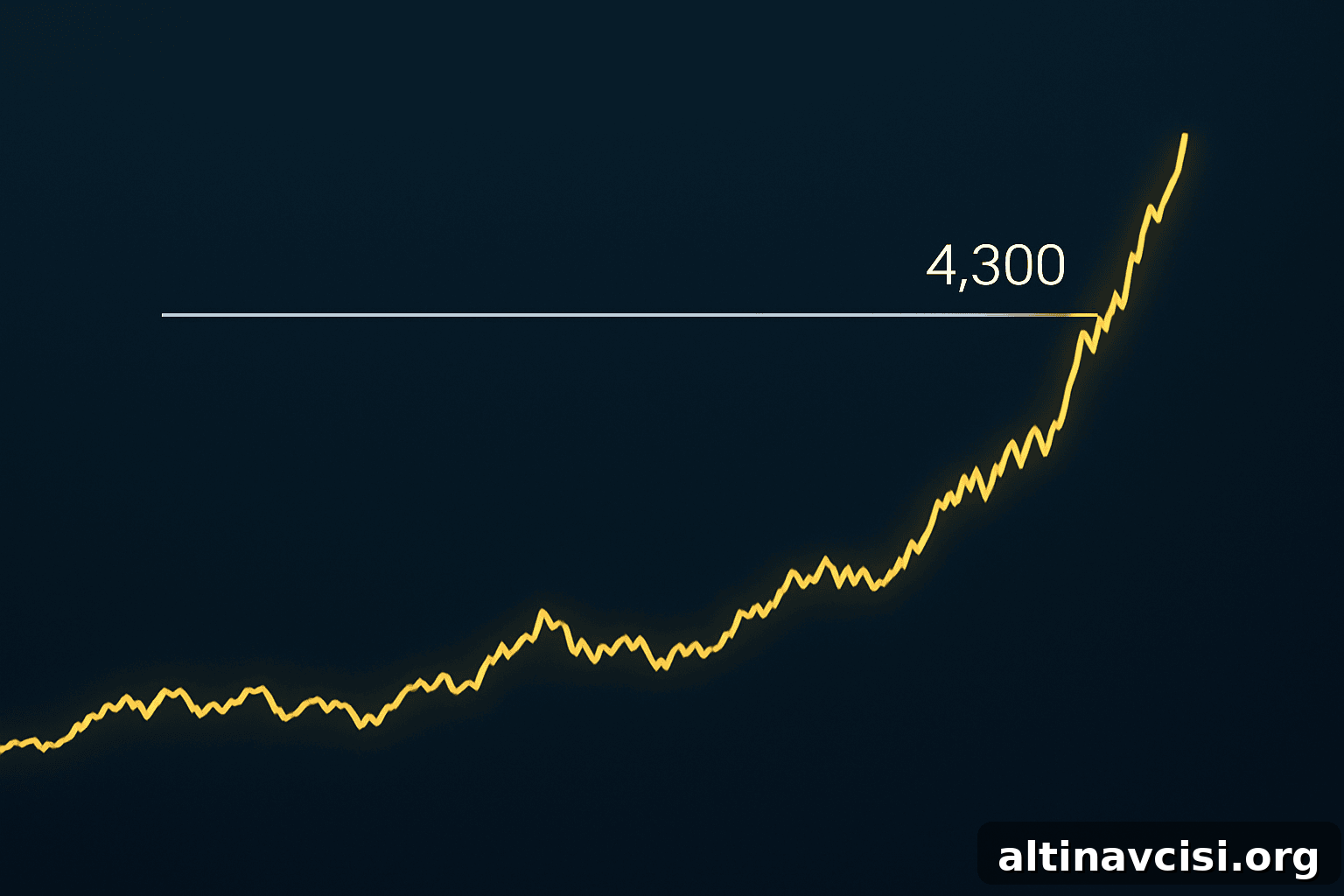
After peaking at $4,326 on Thursday — marking its 45th record high this year — gold has pulled back to trade around $4,260. The brief retreat follows an extraordinary run that pushed the metal nearly 60% higher in 2025, a sprint from about $3,500 to above $4,300 in roughly five weeks. Despite the cooldown, few are calling this the end of the rally.
Ongoing expectations of Fed rate cuts, continued central bank buying and renewed safe‑haven interest driven by trade tensions and a protracted U.S. government shutdown are keeping investor demand elevated. The key question is whether gold will consolidate in the current range before attempting a move toward $4,400, or whether a deeper retracement is needed first. Either outcome would reflect a market that has redefined what investors consider “normal” for gold prices.
Some strategists, however, warn that volatility may return sooner than bulls expect — a reminder that strong rallies can pause or reverse quickly if market sentiment shifts.
Morgan Stanley: Don’t Get Too Comfortable
Morgan Stanley metals strategist Amy Gower cautions investors to stay prudent after gold’s extraordinary advance. In a recent interview she noted that gold is not immune to broader market pullbacks, particularly if equities stumble. What makes this rally unusual is that gold has been rising alongside stocks, bonds and other risk assets, increasing correlations across markets.
That tighter correlation means a sudden drop in risk appetite could trigger liquidations across asset classes, potentially catching gold in a broader selloff even though it typically benefits from flight‑to‑safety flows. Gower’s advice: enjoy the gains but prepare for bouts of volatility. The next leg higher for gold may be less smooth than the recent rally.
Government Shutdown Drags Into Week Three
The U.S. federal government shutdown has entered its third week, becoming the third‑longest in modern history with no clear resolution. Many federal employees faced missing their first full paycheck in the cycle, and economists warned that the economic damage could accelerate — with some estimates suggesting GDP could be shaved by as much as 0.25% per week if the shutdown persists.
Markets are also contending with a data blackout. The September jobs report was delayed, and the Federal Reserve is operating with limited visibility as it evaluates future rate decisions. While September inflation figures are scheduled for release, the absence of a full data set complicates policy and market forecasts.
Historically, shutdowns tend to bolster safe‑haven demand for precious metals. The current environment — rising economic uncertainty, impaired data flow for policymakers and entrenched political gridlock over funding battles — creates a backdrop where gold and silver often see stronger interest. Some analysts now warn the stalemate could stretch into November, a scenario that would likely sustain elevated physical and financial demand for the metals.
India’s Gold Buyers Trade Ornaments for Bullion This Diwali
Record prices are reshaping gold buying patterns in India. During Dhanteras, traditionally one of the biggest days for festive jewelry purchases, demand for ornamented jewelry fell by nearly 30% year‑on‑year, while coins and bars saw robust sales, industry officials reported.
Local gold prices have risen more than 60% since last Dhanteras, and consumers appear reluctant to pay the additional 10–20% manufacturing and making charges associated with jewelry. As a result, while physical volumes were down by an estimated 10–15%, total rupee value of sales increased because of higher metal prices.
This shift reflects consumers adapting traditions rather than abandoning them: many households opted for investment‑grade bullion to retain the cultural practice of buying gold during Diwali while minimizing markups. Dealers have quoted elevated premiums — in some cases the highest in over a decade — underscoring resilient underlying demand in the world’s second‑largest gold market even at elevated price levels.
Silver Supply Squeeze Eases as U.S. and China Shipments Flow
A sharp shortage in the London OTC spot silver market has eased as large shipments from the U.S. and China replenished inventories. Recent flows have included tens of millions of ounces from the U.S. and significant volumes from China, helping to relieve acute strains that briefly pushed silver toward $54.50 per ounce.
Falling borrowing rates and rebuilt stockpiles cooled the immediate squeeze, removing one short‑term catalyst for higher prices. Yet the episode highlights the tightness in the physical silver market. Unlike gold, silver carries substantial industrial demand — notably from solar panel manufacturing — alongside investment demand, so periodic supply bottlenecks can reoccur as consumption and investment pressures persist.
For investors, the takeaway is that while acute market stress may have subsided for now, structural features of the silver market mean it remains sensitive to changes in both industrial activity and investor flows.
Investing in Physical Metals Made Easy